
Why your gum hurts when you use an interdental brush
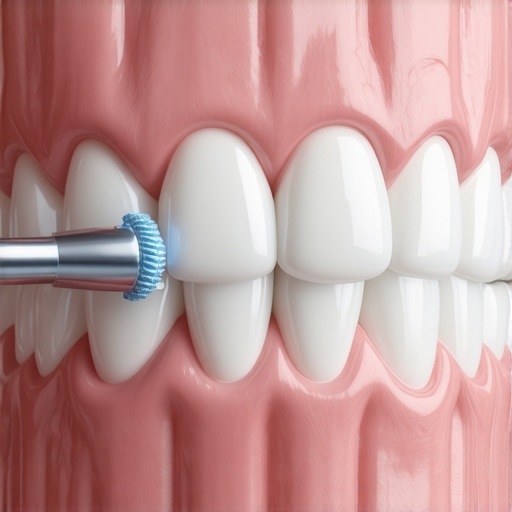
One evening, I was diligently cleaning my teeth with my interdental brush after a long day. Suddenly, a sharp pang shot through my gums, and I wondered, “Why is this happening now?” It was frustrating—I thought I was doing everything right. But that discomfort made me realize there’s more to this story than just routine flossing.
Understanding the Root Cause of Gum Pain from Interdental Brushes
If you’ve ever experienced gum pain when using an interdental brush, you’re not alone. Many folks jump into using these handy tools expecting smoother, cleaner gums, only to be met with discomfort or even bleeding. This can be confusing and discouraging, especially since interdental brushes are designed to promote oral health—so why is it causing pain?
Is Your Technique or Tool to Blame?
Early on, I made the mistake of pressing too hard or choosing the wrong size brush. It’s a common misstep. Using a brush that’s too large can scrape and irritate delicate gum tissue, while applying excessive pressure can exacerbate issues. Think of it like trying to scrub a delicate fabric with a stiff brush—you’re bound to cause damage if you’re not careful. Choosing the right size and gentle technique are crucial. For tips on selecting the perfect interdental brush, visit this guide, which also provides insights into maintaining overall oral health.
Also, if your gums are inflamed or sensitive, your gums might be more prone to pain. At that stage, forcing the brush can do more harm than good. The goal is to clean without causing trauma. I’ll show you how to do that soon.
What We’ll Cover Today
In this post, I’ll share the practical steps I discovered to help you use interdental brushes safely and effectively—so you can avoid unnecessary gum discomfort and enjoy the full benefits of this fantastic tool. From choosing the right brush to mastering gentle techniques, you’ll learn how to keep your gums healthy instead of sore.
Could This Be Your Biggest Concern?
Have you ever wondered if your interdental cleaning routine might be hurting your gums instead of helping? You’re not alone—many people feel the same frustration. The good news is, with a few adjustments, you can turn things around.
Remember, if you’re experiencing persistent discomfort, it’s wise to consult with your family dentist. They can assess your specific situation and ensure that your oral health journey is on the right track. For more comprehensive advice, explore the latest family dentistry techniques.
Stay tuned, because we’re about to delve into the exact steps to make interdental brushing a pain-free part of your routine—and restore your gums’ health and comfort.
Select the Perfect Interdental Brush for Your Gums
Start by measuring the space between your teeth with a dental pick or the packaging of the brushes. Choose a size that fits snugly but doesn’t stretch the gum tissue. During my first try, I grabbed a brush that was too large and immediately felt discomfort. After switching to a smaller size, my gums responded positively, showing less bleeding and irritation.
Hold and Insert with Care
Grasp the brush with a light grip, almost like holding a delicate flower. Gently angle the brush at 45 degrees toward the gum line, avoiding forceful pushes. Insert it smoothly into the interdental space without forcing. When I first attempted, I pushed too hard, causing soreness; a gentle approach made all the difference.
Natural Guidance for Insertion
Think of slipping a puzzle piece into place; it should slide in softly. If resistance occurs, back off slightly and try again with a gentler touch. This prevents gum trauma and ensures effective cleaning without pain.
Master the Gentle Moving Technique
Once inserted, move the brush back and forth in a gentle, circular motion—like buffing a jewel. Don’t scrub aggressively. During my initial sessions, I thought vigorous scrubbing would clean better, but I learned that slow, deliberate circles clean more effectively and protect sensitive gums.
Focus on the Gum Line and Crevices
Target the area where the gums meet the teeth, gently sweeping along the gum margin. Also, reach into deep interdental spaces without forcing the brush. A careful sweep dislodges plaque and food debris, reducing inflammation. In a messy trial, I overlooked the gum margin initially, which led to bleeding; paying attention here made a noticeable difference.
Rinse and Your Technique Check
After each area, rinse the brush thoroughly to remove debris. Regularly inspect your brush for wear; frayed bristles can damage gums. I learned that replacing the brush every three weeks maintains optimal gentleness and effectiveness, much like changing a worn-out tool.
Integrate into Your Routine Mindfully
Start with a small section of your mouth, progressing gradually. Overdoing it initially can cause soreness, like overexerting a muscle. Consistency and gentle technique build gum resilience, paving the way for pain-free interdental cleaning.
If you want to explore more about choosing the right tools for long-lasting oral health, visit this comprehensive guide. Keep practicing these steps to turn interdental brushing into a comfortable, effective habit.
Why Common Beliefs About Invisalign Might Be Misleading
Many assume that Invisalign is just a cosmetic fix for crooked teeth, but in my experience, this oversimplification overlooks its profound impact on oral health. Contrary to popular belief, Invisalign can also help correct bite issues and improve jaw alignment if used properly—it’s not merely about aesthetics. However, a frequent mistake is thinking aligners are suitable for everyone, which isn’t always true. For complex cases, traditional braces or crowns might be more effective. A study published in the American Journal of Orthodontics & Dentofacial Orthopedics emphasizes the importance of comprehensive evaluation before choosing Invisalign (see more about Invisalign innovations).
What Advanced Patients Should Keep in Mind About Crowns and Restorations
There’s a misconception that crowns are only for damaged or decayed teeth; in reality, they also serve to enhance strength and prevent further deterioration. More importantly, many underestimate the precision needed in selecting and placing crowns. An ill-fitting crown can lead to gum recession, sensitivity, or even misaligned bites, which may not be immediately apparent. Experts recommend that you consult with your family dentist to explore not just the restoration but its long-term implications. For insights into the latest crown techniques, visit this article about crowns and oral health.
Spotting the Nuances in Oral Hygiene Myth Busting
Many people believe that brushing harder will clean teeth better, but this is a dangerous myth. Aggressive brushing damages enamel and gums, leading to sensitivity and recession. Instead, the effective approach involves gentle, deliberate strokes using a soft-bristled toothbrush and proper technique. Additionally, there’s often confusion about flossing—thinking that more is better. Over-flossing can harm gums, especially if done aggressively or incorrectly. Remember, quality beats quantity in oral hygiene routines. Regular visits to your family dentist can help identify subtle issues before they escalate, as detailed in secrets of modern family dentistry.
Is There a Real Difference in Crown Materials?
Patients often wonder if porcelain, metal, or composite crowns differ significantly in durability and aesthetics. While each material has its benefits, the choice should be based on functional needs and aesthetic goals. For instance, all-porcelain crowns blend seamlessly with natural teeth but may be less resistant to biting forces than metal crowns. The nuanced decision requires understanding the trade-offs—something your dentist can guide you through. For a deep dive into crown options, explore this comprehensive crown guide.
Have you ever fallen into this trap of oversimplifying dental solutions or misunderstanding the impact of treatments? Let me know in the comments—getting clarity today can prevent costly mistakes tomorrow!
Keep It Working: Essential Tools for Your Dental Routine
Maintaining excellent oral health over the long term requires more than just good intentions; it demands reliable, precise tools and a strategic approach. From high-quality toothbrushes to advanced whitening systems, I’ve curated a selection of equipment that stands the test of time and supports your dental wellness goals.
Invest in a Sonic Toothbrush with Smart Features
I personally swear by the Oral-B Genius X. Its oscillating-rotating technology, combined with AI-powered brushing guidance, ensures I remove plaque effectively while protecting my gums. The built-in sensors track your brushing habits, providing real-time feedback via a connected app, which helps fine-tune your technique over time. This technology isn’t just for convenience; it actively promotes better cleaning habits and can prevent common issues like gingival recession.
Use a Water Flosser with Customizable Settings
While traditional flossing is effective, I find that Waterpik Ultra Water Flosser offers superior reach, especially for those with crowns, bridges, or implants. Its adjustable water pressure and targeted tips let me clean deep interdental spaces gently but thoroughly, reducing the risk of damage caused by vigorous manual flossing. Regular use of a water flosser ensures your flossing becomes more consistent and less painful, which encourages long-term adherence.
Embrace a Dental-Grade Mouth Rinse
Brushing and flossing are fundamental, but adding a scientifically formulated rinse can bolster your defense against cavities and gum disease. I recommend a fluoride-based rinse with antimicrobial properties. It helps maintain a balanced oral microbiome, especially if you’re prone to sensitivity or recession. Using it twice daily can significantly improve your mucosal health and keep your breath fresh.
Tools for Crown and Restoration Longevity
For those with crowns or implants, maintaining the health of surrounding tissues is crucial. I rely on ultra-soft, ergonomically designed toothbrushes for gentle cleaning around restorations. Additionally, regular check-ups with your dentist aren’t just reactive; they are preventive measures to catch any potential issues early. Staying vigilant with your tools and adjustments ensures your restorations last longer and perform better.
Predicting the Future: Embracing Innovations
The future of dental tools points toward even smarter, more integrated systems. AI-powered diagnostics, 3D printing for custom parts, and minimally invasive imaging techniques are rapidly evolving. Keeping abreast of these developments means adopting tools that not only serve immediate needs but also adapt to upcoming innovations—making your ongoing dental care more effective and less invasive.
How do I keep my tools functional over time?
One key is diligent maintenance. Replace brush heads and tips every three to four months, as recommended by manufacturers, and clean devices regularly to prevent bacterial buildup. For example, the latest family dentistry techniques stress the importance of routine device upkeep for sustained effectiveness. Investing in quality tools is great, but neglecting their maintenance can undo all your good work. So, make it a habit to inspect, clean, and replace your equipment; your smile will thank you for it. Don’t hesitate to test out newer technologies like Bluetooth-enabled flossers and smart rinses—these innovations are precisely designed for long-term success and convenience. Try incorporating one of these advanced tips today and experience the difference firsthand.
Throughout my journey with dental health, I learned that the most profound lessons often come from unexpected setbacks and honest self-reflection. One of the most enlightening insights was realizing that not every discomfort has a straightforward cause—sometimes, our assumptions can mislead us into overlooking vital nuances in our oral care routines.
What I Wish I Had Known Earlier About Family Dentistry
- Prioritizing personalized assessments over generic advice can dramatically improve treatment outcomes. Dentists like those featured in family dentistry trends emphasize tailored care that considers each patient’s unique needs.
- Understanding the longevity and maintenance of restorations such as crowns requires diligent tool care and regular check-ups—neglecting these can shorten their lifespan unnecessarily.
- The myth that aggressive brushing enhances cleaning is widespread; instead, gentle techniques are more effective and preserve gum health, as discussed in various expert guides.
- Innovative dental technologies, like AI-guided whitening and smart implants, are transforming how we approach oral health, making routine care more effective and less invasive.
- Building a strong partnership with your dentist involves asking questions and embracing continuous learning, which can prevent costly mistakes and boost overall confidence in your dental care plan.
Tools and Resources That Changed My Perspective
- Oral-B Genius X: Its AI features help me perfect my brushing habits, ensuring they are both gentle and thorough.
- Waterpik Ultra Water Flosser: For deep cleaning, especially around crowns, its adjustable pressure prevents gum irritation while removing plaque effectively.
- Pro–Dentec Soft Toothbrushes: Gentle yet efficient, these brushes protect sensitive gums and preserve the integrity of restorations.
- This crown guide has been instrumental in helping me understand the importance of fitting and material choices, leading to better long-term results.
Embrace Your Dental Future Today
Remember, every step you take towards understanding your oral health is an investment in confidence and well-being. The nuances of family dentistry, Invisalign, and crowns are complex but manageable when approached with curiosity and care. Your gums and smile deserve that extra attention—so start today, stay informed, and don’t hesitate to seek guidance from trusted professionals.
Which area of your dental routine do you feel needs the most attention right now? Share your experience below—I’d love to hear your story and help you take the next confident step!