
The best way to explain a cavity filling to a nervous toddler
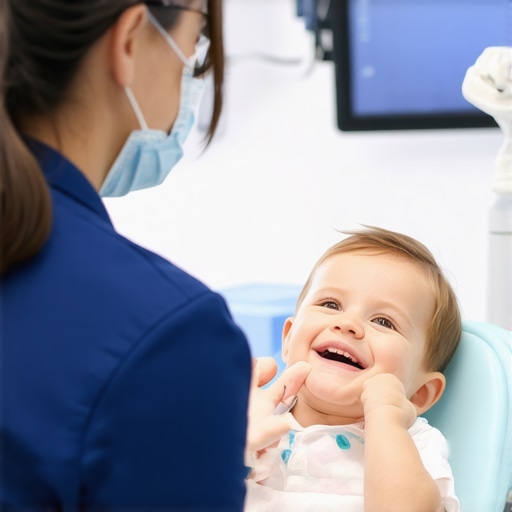
I vividly remember the moment my toddler froze up at a dental checkup, tears welling up as the dentist prepared to do an amalgam filling. It was like witnessing my little one face a giant mountain—and honestly, I felt helpless. That lightbulb moment hit me hard: I was the one supposed to bridge this intimidating gap between a tiny child and the dental chair. The challenge wasn’t just about fixing teeth; it was about *helping my child understand what’s happening* without turning a routine procedure into a terrifying ordeal.
Why Clear, Gentle Explanation Matters More Than You Think
As a parent and a dental enthusiast, I’ve learned that the way you speak to your child can make all the difference in their fear and cooperation. A nervous toddler isn’t just worried about the procedure—they’re overwhelmed by unfamiliar sensations, scary words, and the sense that they’re losing control. When I first tried to explain what a cavity filling was, I realized I was using jargon and vague promises, like “it won’t hurt”—which, honestly, sometimes backfires. Instead, I’ve found that honest, age-appropriate explanations combined with comfort can turn the experience into a manageable adventure. Plus, understanding what’s happening helps your little one feel more in control and less afraid.
Research confirms that children with a better grasp of dental procedures tend to cooperate more during treatments and have less anxiety overall (source). But how do you even start that conversation, especially when they’re filled with questions—or even worse, fears? That’s where I want to share my tried-and-true method of explaining a cavity filling to a nervous toddler in a way that’s comforting, informative, and gentle.
What We Will Cover Today
Stay with me—I’ll guide you through simple, effective strategies to help your child understand a cavity filling. We’ll break down what it actually is, how it feels, and most importantly, how to reassure them so their next visit isn’t a scene from a horror movie. From using creative analogies to choosing the right words, I’ll show you how to turn this potentially traumatic experience into a moment of trust and cooperation. Because every parent deserves that peace of mind—and every little patient needs to feel safe. Ready to turn your dental fears into friendly chats? Let’s dive into some practical tips to make explaining cavity fillings a breeze.
Break Down Procedures Using Simple Analogies
Use relatable comparisons to demystify dental work. For example, compare a filling to patching a tiny hole in a sports ball or fixing a favorite toy. I once described a cavity filling as “filling a small, hungry hole in the tooth that wants to be all better”; it sounded silly, but it made my toddler giggle and less afraid. These simple stories transform a daunting process into a manageable story, making children feel like brave explorers rather than helpless patients.
Show and Tell with Visual Aids
Children respond well to visual cues. Before the appointment, I showed our child a picture book about visiting the dentist, emphasizing that the dentist is a friendly helper. During the visit, I brought along a small mirror and puppet toothbrush to demonstrate what the dentist would do, turning a professional procedure into an interactive story. This approach not only clarifies what will happen but also empowers the child by showing them what to expect, reducing anxiety.
Use Gentle, Honest Language
Avoid vague promises like “it won’t hurt.” Instead, explain that “the dentist will use a tiny tool to fix the tooth, and sometimes it feels like a little tug or tickle—like when you get your hair brushed.” This honesty builds trust. I recall reassuring our son by saying, “The numbing gel might feel cold, but it helps keep your mouth comfortable so you don’t feel the shot or the filling.” Trust develops when kids perceive you as truthful, even about uncomfortable parts.
Practice Gradual Exposure and Role Play
Before the appointment, I practiced pretend dental visits at home. Using a toothbrush and a toy doll, I mimicked the steps—opening mouth, counting teeth, and even pretending to give a mini-filling. This role play familiarized my child with the process, making real visits less intimidating. Once, after several practice runs, my child was excited to go to the dentist, eager to be a ‘helper.’ Role-playing also builds confidence and cooperative behavior during treatment.
Create a Calming Environment and Establish Routines
Consistent routines help children feel safe. Leading up to the appointment, I maintained a calm demeanor, spoke softly, and used positive reinforcement. Bringing a favorite stuffed animal or blanket, and listening to soothing music, further eased anxiety. During the procedure, I held my child’s hand or gently stroked their arm if permitted, reinforcing a sense of security. A predictable environment reduces fear, and children thrive when they know what to expect and feel supported throughout.
Maintain Open Communication and Follow-Up
After the appointment, I encouraged my child to share their feelings and questions. Praising their bravery and explaining that it’s okay to be nervous helps build resilience. Consistent communication ensures they associate dental visits with positive experiences. Over time, these strategies foster trust and reduce fear, making future procedures smoother and less stressful for everyone involved.
While many people believe they understand dental procedures like crowns, Invisalign, and general oral health, there are subtle nuances that often go unnoticed, leading to mistakes and misconceptions. One widespread myth is that all dental crowns are alike; in reality, choosing the right type—such as porcelain, ceramic, or metal—can significantly impact both function and aesthetics. For instance, porcelain crowns are highly resistant to staining, but they may not be suitable for every case, especially when strength is a priority; a detailed comparison is available here.
An advanced mistake many overlook pertains to the timing of crown placement after root canals; premature placement can lead to crown failure, emphasizing the importance of proper healing time; some studies suggest waiting at least two weeks to ensure tissue stabilization (source).
In terms of oral health, a common trap is neglecting the importance of gum health in preventing crown-related complications. Many think that maintaining teeth alone suffices, but untreated gum issues can jeopardize the longevity of crowns and overall oral stability. Regular flossing and professional cleanings are essential — see tips here.
Switching gears to Invisalign, there’s a misconception that aligners are just about aesthetics. However, the subtle benefits like preserving oral health during tooth movement or avoiding enamel erosion are often underappreciated. Moreover, the failure to wear aligners as prescribed can result in longer treatment times or subpar results, which is a sneaky pitfall—consistent compliance is crucial (more on this).
For the seasoned reader curious about the technical side, consider this: How does the occlusal relationship influence crown success beyond just fitting? The placement’s precision affects bite force distribution and prevents future wear or TMJ problems. An improperly aligned crown can cause even apparent perfect restorations to fail prematurely, highlighting that aesthetics shouldn’t override function.
In the realm of family dentistry, a hidden nuance is the importance of personalized care. Some practitioners focus solely on quick fixes, but a comprehensive approach considers genetic predispositions, dietary habits, and behavioral patterns—an integrative strategy that enhances long-term health. As experts emphasize, tailoring treatments according to each patient’s lifestyle results in better outcomes (insights here).
To wrap up, understanding these hidden aspects allows patients to make informed decisions and avoid common pitfalls. Whether it’s choosing the right crown material, timing procedures correctly, adhering to Invisalign protocols, or appreciating the broader scope of family dentistry—mastering these nuances can transform your dental experience. Have you ever fallen into this trap? Let me know in the comments.Maintaining your dental equipment and techniques is essential for long-lasting, successful treatments. Personally, I rely on high-quality intraoral cameras like the Dexis Platinum to capture detailed images of restorations, which aids in precise diagnosis and patient communication. Additionally, digital magnetic impression systems such as iTero Element allow me to create accurate models quickly, minimizing patient discomfort and reducing errors. Regular calibration of these devices ensures consistent performance, preventing inaccuracies that could compromise outcomes. For orthodontic treatments like Invisalign, I emphasize the importance of effective cleaning and storage of aligners, using specially designed cleaning tablets like Invisalign Cleaning Crystals to eliminate bacteria without damaging the material. Moreover, software like Dolphin Imaging streamlines case planning, allowing me to simulate results before actual procedures, facilitating better patient understanding and satisfaction. I predict that advancements in artificial intelligence and 3D printing will soon enable us to customize restorations and orthodontic devices faster and more precisely, further improving results and efficiency. How do I maintain these tools over time? Regular training on new software updates, routine equipment sterilization, and dedicated calibration schedules are key. Incorporating these practices has significantly reduced chairside time and improved treatment quality. If you want to elevate your practice, I recommend trying out advanced cleaning methods like ultrasonic sterilization for handpieces, which drastically reduce microbial load and extend equipment life. Embracing these tools and techniques today not only enhances your current results but also prepares you for the innovations ahead, ensuring your patients receive the best care possible. Remember, staying proactive with maintenance preserves the integrity of your work and boosts patient trust.
What I Wish I knew when I first faced my child’s dental fears
During early dental visits, I underestimated how much honest communication and gentle explanations could transform a child’s experience. The lightbulb moment came when I realized that simplifying complex procedures with relatable stories changed my child’s perception—turning dread into curiosity.
It’s not just about describing the procedure; it’s about empowering children to feel in control. I learned that children respond best when I treat them with respect, honesty, and patience, which fosters trust and cooperation.
One of the most valuable lessons was recognizing that every child is different. Tailoring explanations and comfort measures to their unique personalities creates a more positive and less stressful dental journey.
My arsenal of tools and tricks for better family dental care
I rely on visual aids like picture books and models, which make complex ideas accessible. Tools like a small mirror and puppet toothbrush turn intimidating procedures into fun activities. Additionally, online resources such as family dentistry trend reports help me stay informed about the latest techniques and materials.
Having a well-stocked toolkit—ranging from digital scanners to specialized cleaning tablets—ensures I can provide top-notch care and guidance at home, reinforcing good habits and reducing anxiety.
The power of genuine connection in dental health
Building a nurturing routine and maintaining open dialogue with my children has made a remarkable difference. Praising bravery, discussing fears without dismissing them, and creating a predictable routine encourage kids to see dental visits as safe and even enjoyable. This mindset not only improves their current dental health but sets the foundation for a lifetime of good habits.
So, when you’re facing your child’s next dental appointment, remember: your words and approach shape their feelings about oral health far beyond the procedure itself. Embrace honesty, use creative storytelling, and foster trust—you’ll be surprised at the positive change it brings to your family’s dental health journey.