
The easiest way to clean a dental bridge without a threader
I’ll never forget the day I almost gave up on my dental bridge. There I was, in front of the mirror, struggling to get that stubborn plaque out from beneath it. It was like trying to navigate a dense jungle with a teaspoon. The frustration hit me hard—how could something so vital feel so impossible to clean?
Why Keeping Your Dental Bridge Clean Matters More Than You Think
Dental bridges are wonderful restorations, restoring your smile and function. But without proper cleaning, they can actually do more harm than good, leading to decay or gum disease around your supporting teeth. Early on, I made the mistake of using a regular toothbrush without considering that special tools might be necessary. That oversight almost cost me a new dental emergency. Surprisingly, research shows that patients who neglect cleaning their bridges face a higher risk of complications, including diease-causing bacteria buildup (source: Family Dentist Pro).
So, if you’re like I was—feeling overwhelmed by the prospect of cleaning around a dental bridge—rest assured, you’re not alone. Today, I’ll share the easiest, most effective way I’ve found to keep that bridge spotless without the need for a threader or complicated gadgets. Are you tired of feeling frustrated or unsure if you’re doing it right? Stick around, because this simple approach might just change your oral care routine forever.
Choose the Right Tools for the Job
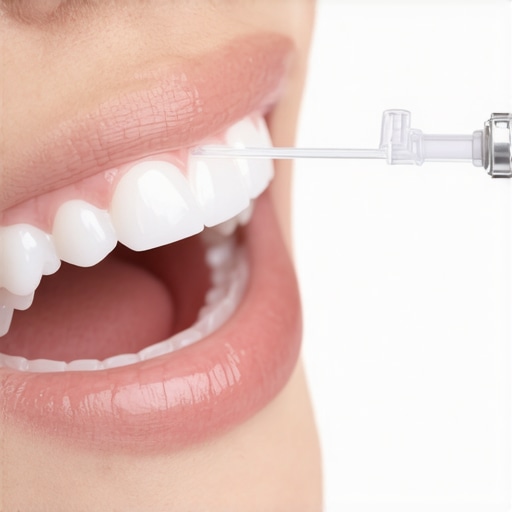
Start with a soft-bristled toothbrush and a water flosser. I remember the first time I tried cleaning my bridge, I used a regular toothbrush, which was too stiff and didn’t reach beneath the bridge properly. Switching to a water flosser made a huge difference; it mimics a mini pressure washer that gently dislodges plaque and debris from hard-to-reach areas. For stubborn spots, a dental pick or floss threader can help, but I recommend starting with a water flosser to prevent damaging the delicate surrounding gums.
Implement the Proper Brushing Technique
Apply gentle, circular motions around the crown edges. When I became consistent with this technique, I could feel the plaque melting away, even without immediately seeing results. Be cautious not to brush too hard, which can damage the gumline or dislodge parts of the bridge. Think of it like polishing a fragile antique—gentle but thorough strokes yield the best outcome.
Clean Beneath the Bridge with Floss and Threaders
Insert a floss threader or dental tape under the bridge pontic, then gently move it back and forth to remove food particles trapped beneath. I once struggled with a stiff piece of floss and ended up causing minor gum irritation. Eventually, I found that using a floss threader with a smooth, thin floss made the process smoother and less uncomfortable. It took some practice, but the clean lines of my gumline rewarded my effort.
Use a Water Flosser for Extra Reach
Position the water flosser tip at a 90-degree angle to the gums and direct the spray beneath the bridge. This ensures debris doesn’t get stuck and reduces the risk of plaque buildup. I used to skip this step, but after integrating water flossing into my routine, I noticed healthier gums and fresher breath. It’s like giving your mouth a gentle power wash—fast, effective, and comfortable.
Rinse and Inspect Regularly
Finish with an antiseptic mouthwash to reduce bacteria. I find that occasionally inspecting my work with a mirror helps me catch missed spots. Honestly, I once thought I did a perfect clean but found some plaque later that evening. Checking your progress after cleaning boosts your confidence and ensures thoroughness.
Establish a Routine for Consistent Results
Brush at least twice daily and floss once, ideally after every meal. When I started managing my routine better—setting reminders and making it a habit—the build-up decreased drastically. Remember, keeping your dental bridge spotless isn’t a one-time effort; it’s about ongoing maintenance to preserve your smile and oral health.
 Many patients assume that following the basic instructions for Invisalign, crowns, or daily brushing suffices for optimal oral health. However, as an experienced family dentist, I’ve observed common pitfalls that can undermine even diligent routines. For example, a widespread myth is that more aggressive brushing ensures cleaner teeth. In reality, applying too much pressure can erode gums and damage restorations, accelerating periodontal issues or crown fractures. Studies have shown that gentle, precise techniques outperform brute force, emphasizing the importance of mastering proper brushing motions (source: Family Dentistry Secrets). Another nuance is the misconception about dental floss. Many believe that simply using floss daily is enough. But if you’re relying on stiff, traditional floss without proper threading or technique, you risk gum irritation or incomplete plaque removal. A floss threader or soft, waxed floss tailored for bridges and crowns makes a significant difference. Also, when it comes to crowns, the common mistake is assuming all crowns are equal or that they don’t require follow-up care. In reality, the longevity of crowns depends heavily on choosing the right material and positioning, as well as regular check-ups. According to experts, improper cementation or subpar materials can lead to early failure, so selecting an experienced dentist for crown placement is critical (Expert Advice for Long-lasting Crowns). Now, let’s address some advanced considerations. Why do some people experience ongoing sensitivity even after crowns or Invisalign treatment? The answer often lies beneath the surface; issues like hidden decay or nerve damage aren’t always apparent without detailed assessments. A related trap is ignoring subtle shifts in bite or discomfort—assuming they’re temporary—when they may indicate underlying problems that require immediate attention. In the realm of Invisalign, a common mistake is over-relying on aligners to do all the work. Aligners need proper monitoring and adjustments; neglecting regular dental visits can prolong treatment and decrease results. Advanced patient cases reveal that combining Invisalign with strategic refinements leads to optimal, lasting alignments. Remember, consistent professional oversight is key to avoiding complex complications. Have you ever fallen into this trap? Let me know in the comments. Overall, understanding these nuanced aspects and avoiding common myths can significantly improve your oral health experience. Small details like gentle brushing, advanced flossing techniques, proper crown care, and vigilant monitoring of Invisalign progress make a real difference in maintaining your smile’s health and longevity.Maintaining your dental work over time requires more than just routine brushing and flossing. Investing in the right tools can make a significant difference in the longevity of your crowns, implants, and Invisalign treatments. For example, I personally swear by the Waterpik Water Flosser because it effectively reaches beneath restorations and around orthodontic attachments, where traditional floss often falls short. Its pulsating water combines gentle but thorough cleaning, reducing plaque build-up that can compromise dental restorations. Additionally, using an ultrasonic toothbrush like the Philips Sonicare DiamondClean provides superior plaque removal compared to manual brushes and even traditional electric models, thanks to its high-frequency vibrations. These tools not only enhance cleaning efficiency but also help catch early signs of issues, such as gum recession or crown looseness, before they escalate. Looking ahead, integrated smart dental devices are on the rise, allowing real-time monitoring of oral health via smartphone apps—making proactive care more accessible. To keep your dental work working for decades, I recommend incorporating periodic professional cleanings with your dentist, who can perform advanced assessments like pocket depth measurements and radiographs. Regular check-ups ensure your restorations are intact and functioning correctly, preventing minor problems from turning into costly repairs.
How do I maintain my dental tools and treatments over time?
Proper maintenance of your dental tools involves daily rinsing, replacing brush heads as recommended (usually every three months), and storing them in dry, hygienic conditions. It’s crucial to avoid sharing toothbrushes or floss, which can transfer bacteria and cause issues. When it comes to dental restorations like crowns, avoid biting on hard objects like ice, and limit consumption of stain-causing foods and drinks. Regular dental visits are essential for professional evaluations, where your dentist can confirm that crowns remain sealed, implants are stable, and Invisalign trays fit snugly. Remember, smart tools combined with professional oversight form a powerful duo in preserving your smile’s health and appearance. For more insights on advanced techniques, check out this article on Invisalign maintenance myths. Take the initiative today by integrating a water flosser into your routine—it’s a game-changer for long-term oral health!
Over the years, I’ve recognized that maintaining a radiant smile isn’t just about daily routines—it’s about understanding the subtle nuances that can make or break your dental health journey. One of the most profound lessons I’ve learned is that consistency paired with the right tools and knowledge creates a resilient foundation that withstands the test of time. For instance, I once believed that simply brushing was enough, but discovering the importance of water flossers revolutionized my approach, emphasizing that innovative tools can elevate routine care to professional standards. Additionally, I’ve seen how neglecting the regular check-ins with a skilled family dentist can quietly sabotage even the most meticulous routines, underscoring that ongoing professional assessments are invaluable. Embracing advanced techniques and staying informed about emerging trends ensures that my smile remains both healthy and confident for years to come. Remember, real mastery in dental care results from a blend of proactive habits, trusted resources, and a willingness to adapt and learn continuously.
Lessons from the Front Lines of Dental Wisdom
- One lightbulb moment was realizing that aggressive brushing can harm more than help, leading me to adopt gentler, more effective techniques recommended by experts (Family Dentistry Secrets).
- Understanding that even the best tools require proper technique transformed my routine, highlighting that craftsmanship in how I care is as vital as the tools used.
- Seeing the long-term benefits of combining innovative devices with regular professional visits reinforced that ongoing education and adaptation are keys to lasting oral health.
Resources That Elevated My Practice
- Philips Sonicare DiamondClean: A sonic toothbrush that combines power and gentle care, excellent for crowns and implants.
- Waterpik Water Flosser: Its pulsating stream reaches areas traditional floss can’t, especially beneath bridges and around implants, saving me time and preventing issues.
- Expert articles from Family Dentist Pro: Regularly updated insights keep me informed about the latest in family dentistry and restorative techniques (Transform Your Smile).
- Dental assessment tools: Regular X-rays and examinations, which are invaluable in catching hidden issues early, preserving the integrity of restorations and natural teeth alike.
Your Turn to Elevate Your Dental Routine
Remember, the journey towards a resilient and beautiful smile is ongoing, and every small step counts. By integrating the right tools, adopting expert techniques, and seeking professional guidance, you can safeguard your oral health for decades to come. Embrace these lessons, stay curious, and don’t hesitate to explore new methods that align with your unique needs. Your future self will thank you for the dedication and care you invest today.
What challenge have you faced in cleaning or maintaining your dental work? Share your story below, and let’s learn from each other’s experiences.