
Why your gums are bleeding during pregnancy

I remember the moment clearly — sitting in the dentist’s chair, feeling the shock of blood as I brushed my teeth one morning during my pregnancy. It was a lightbulb moment that revealed I wasn’t alone in this struggle. If you’ve ever experienced similar bleeding gums during pregnancy, you know how alarming and confusing it can be. It’s easy to dismiss it as normal or just a temporary nuisance, but honestly, it’s often a sign that your oral health needs attention.
Bleeding Gums in Pregnancy: More Than Just a Nuisance
Many women overlook or brush off (pun intended) bleeding gums during pregnancy. But here’s the thing — your gums are telling you something. Pregnancy hormones, especially increased estrogen and progesterone, can cause your gum tissue to become more sensitive and prone to inflammation. This condition, known as pregnancy gingivitis, is incredibly common. Studies show that nearly 60-75% of pregnant women experience some form of gum inflammation. Though it might seem minor, ignoring it can pave the way for more serious issues, including gum disease that affects your overall health.
Have you ever wondered why your gums bleed even after gentle brushing? Well, you’re not imagining things. The hormonal fluctuations make your mouth more vulnerable to plaque buildup, which triggers inflammation and bleeding. But here’s the good news: with proper care, you can manage this effectively.
Now, I want to share a personal experience — early in my pregnancy, I thought, “It’s just a little blood, it’ll pass.” But ignoring it led to increased sensitivity and discomfort. That’s when I realized I needed to prioritize my oral health more intentionally. I made simple adjustments, like switching to a soft-bristled toothbrush and flossing more carefully, which significantly helped. It’s a mistake I made early on — assuming that bleeding gums are just part of pregnancy. Trust me, they are not. Proper, gentle dental care makes a huge difference.
Let’s dive into what exactly causes this bleeding and how you can take control of your oral health during this special time. We’ll explore safe practices, common misconceptions, and practical steps to keep your gums healthy, so this won’t be a problem you have to endure unnecessarily. If you’ve been facing this issue, keep reading — the solutions might be simpler than you think.
Prioritize Gentle Oral Hygiene
Switch to a soft-bristled toothbrush to reduce irritation. Gently brush your gums in circular motions twice a day, avoiding aggressive scrubbing that can worsen bleeding. Floss carefully using a gentle technique, ensuring you don’t force the floss into sensitive areas. For guidance on proper flossing, check out the simple flossing tips that maximize effectiveness without trauma.
Incorporate Antiseptic Rinses
Use an alcohol-free, antiseptic mouthwash to decrease plaque buildup, which fuels gum inflammation. Swish for 30 seconds after brushing and flossing to reach hidden plaque. Keep in mind, some rinses may contain ingredients incompatible with pregnancy; consult your dentist before starting any new oral health product.
Schedule Regular Dental Visits
Maintain consistent checkups with your family dentist. Professional cleanings remove tartar and plaque that home care can’t eliminate. During visits, your dentist can monitor gum health and address any progression early. For a comprehensive overview of family dental care, visit modern techniques for family dentistry. Remember, untreated gingivitis can escalate into periodontal disease, affecting overall health.
Adopt a Nutrient-Rich Diet
Consume plenty of vitamin C and calcium-rich foods to strengthen your gums and teeth. Fresh fruits, vegetables, dairy, and fortified cereals support tissue repair and immune function. Avoid sugary snacks that promote plaque growth. For more nutritional guidance, see top oral health tips for families.
Stay Hydrated and Avoid Irritants
Drink water consistently to wash away food particles and bacteria. Limit alcohol, smoking, and caffeine, which can impair circulation and delay healing. If you encounter persistent bleeding despite these steps, consult your dentist promptly to explore underlying issues or consider advanced solutions like crowns or Invisalign based on your needs.
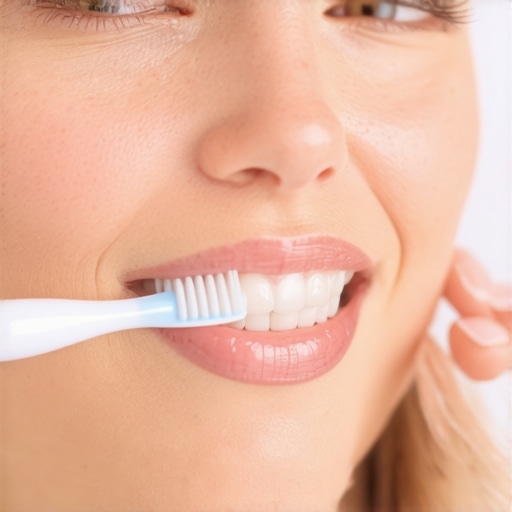
Illustration showing a woman gently brushing her gums with a soft toothbrush
While many believe they understand the basics of family dentistry, there are common misconceptions and overlooked details that can significantly impact your oral health. A prevalent myth is that all dental crowns are created equal; in reality, choosing the right type—such as porcelain-fused-to-metal versus all-ceramic—can influence both longevity and aesthetic outcomes. Many patients assume that Invisalign is just an alternative to braces, but its latest innovations offer advantages like faster treatment times and the ability to customize attachments for complex cases, as detailed in this in-depth review. One trap I often see is patients expecting traditional braces and Invisalign to be interchangeable without considering their unique orthodontic needs, which can lead to suboptimal results or prolonged treatment. Advanced mistakes include neglecting the importance of precise attachment placement or underestimating the role of personalized treatment planning, critical factors for success discussed by industry experts. For example, a study published in the Journal of Clinical Orthodontics highlights how tailored biomechanics improve Invisalign outcomes, emphasizing the need for expert guidance rather than generic solutions. Asking the right questions—like whether additional adjuncts such as temporary crowns can facilitate your orthodontic progress—can make a significant difference. Remember, aligning your dental care with the latest research and expert insights ensures you’re making informed decisions rather than falling for common pitfalls. Would you like to explore more on how to optimize your family’s dental treatments? Visit this resource or reach out to our team for personalized advice. Have you ever fallen into this trap? Let me know in the comments.Maintaining your family’s oral health effectively over the years requires the right combination of tools, routine practices, and a proactive approach. As a dentist passionate about leveraging modern technology, I personally rely on specific instruments and techniques that ensure longevity and reduce the need for costly interventions. One such essential tool is the electric toothbrush with a oscillating-rotating movement, like the Oral-B Genius series. Unlike manual brushes, these devices deliver consistent power and precise coverage, significantly reducing plaque buildup and gum irritation when used correctly—especially crucial during pregnancy when gums are more sensitive.
Another game-changer I recommend is high-quality dental floss with a built-in toothpaste strip or infused with peroxide. For my patients, I suggest the Glide Pro-Health Comfort Plus because its textured surface helps clean hard-to-reach areas while providing gentle abrasion on the gums. Proper flossing technique is vital; I advise a gentle “C” shape around each tooth and avoiding snapping the floss into the gums, which can cause bleeding.
Technology plays a pivotal role in long-term oral health, and at-home routine monitoring devices are becoming increasingly valuable. I personally use the Quip Smart Electric Toothbrush, which pairs with an app to give real-time feedback on brushing habits. This partnership between hardware and software not only encourages consistency but also helps track progress over time, aligning with the trend toward personalized dental care.
I predict that the future of family dentistry will incorporate AI-driven diagnostics and personalized maintenance plans. For example, intraoral cameras and digital sensors can now detect early signs of wear or erosion before they become significant problems, much earlier than traditional visual exams. These tools enable us to intervene proactively, saving your family from discomfort and expensive procedures down the line.
How do I maintain oral health tools over time? It starts with proper cleaning and storage. For electric brushes, remove the brush head weekly and allow it to air-dry to prevent bacterial growth. Replace brush heads every three months or sooner if frayed. Store tools in a dry, clean container away from bathroom germs. Floss picks or interdental brushes should be rinsed after use and stored upright. Periodic professional cleanings, combined with these tools, ensure that plaque and tartar don’t accumulate unnoticed.
Consider integrating advanced solutions like crowns or Invisalign for more comprehensive long-term results. Crowns, especially porcelain or zirconia variants, provide durable restoration and protect vulnerable teeth from further damage. Invisalign, with its latest innovations, offers a discreet, effective way to correct misalignments and improve bite function without the inconvenience of traditional braces.[https://familydentistpro.com/the-hidden-benefits-of-invisalign-for-family-dental-care-in-2025-at-903-am](https://familydentistpro.com/the-hidden-benefits-of-invisalign-for-family-dental-care-in-2025-at-903-am)
Starting with these tools and practices can dramatically improve your family’s oral health journey. I highly recommend trying out the Quip Smart Electric Toothbrush for a week to experience the benefits of monitored, consistent brushing. Remember, investing in the right tools today ensures your family’s smiles stay healthy and vibrant for years to come. Want more personalized advice? Visit our contact page to discuss tailored strategies for your loved ones.
What My Biggest Misconception Taught Me About Oral Health During Pregnancy
I once believed that bleeding gums were just a harmless pregnancy side effect. It wasn’t until I faced it firsthand that I realized ignoring this sign could lead to more serious issues. That lightbulb moment prompted me to rethink everything I’d known about oral health, emphasizing early intervention and gentle care, which can make a world of difference.
The Surprising Power of Simple Daily Rituals
Brushing with a soft toothbrush and flossing carefully are more than routine; they’re your frontline defense. I discovered that integrating these gentle habits, combined with proper diet and hydration, significantly improves gum health during pregnancy. Consistency transforms small steps into powerful protective measures.
Why I Can’t Overstate Regular Dental Checks
Professional cleanings and early consultations are essential. My personal experience showed that catching inflammation early prevents it from escalating into more complicated gum disease. Remember, your dentist is your partner in maintaining a healthy smile throughout this vital time.
The Most Overlooked Ingredient in a Pregnancy-Friendly Oral Care Routine
Vitamin C and calcium are indispensable for gum tissue repair and immune support. Incorporating nutrient-rich foods and considering supplements can bolster your oral health from within. This holistic approach complements your daily hygiene practices and enhances overall well-being.
Future-Proof Your Smile with Smart Choices
Technology is revolutionizing family dentistry. Using tools like electric toothbrushes with real-time feedback and monitoring apps helps track progress and reinforce habits. Embracing these innovations empowers you to take control of your oral health long-term. For personalized strategies, explore our insights on Invisalign advancements.