
Why your dental implant crown keeps coming unscrewed
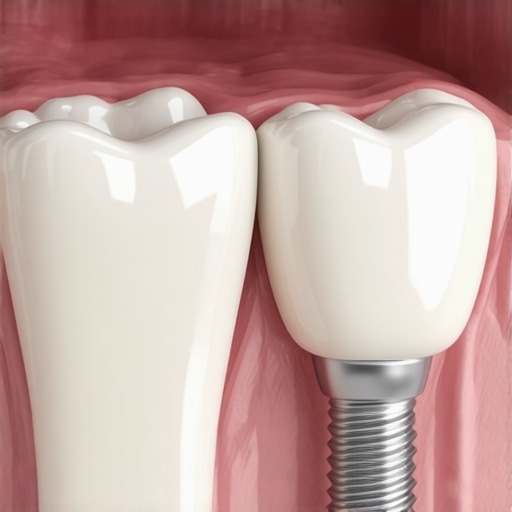
I remember the moment clearly—biting into a crunchy apple, only to feel that unsettling wiggle in my mouth. My dental implant crown, which I trusted to stay put, had once again come loose. It was frustrating and embarrassing, especially since I thought I’d done everything right. That lightbulb moment made me realize I wasn’t alone in this experience; many people face the same baffling dilemma. If you’re endlessly adjusting your crown or wondering why it keeps slipping, you’re in the right place. Today, I’m going to share what I’ve discovered about why dental implant crowns come loose and, more importantly, how to prevent it from happening again.
Why Your Crown Keeps Coming Loose and Why It Matters
Dental implant crowns are designed to restore your smile and function seamlessly. When they keep coming loose, it’s not just a minor annoyance—it can lead to discomfort, increased risk of bacteria infiltration, and even damage to the underlying implant. The good news? Many of these issues are preventable once you understand the root causes. From my personal experience and extensive research, I’ve learned that the primary culprit often boils down to a combination of improper placement, material choice, and neglect in maintenance. Recognizing these factors is vital for long-lasting results, especially when you consider that a well-placed crown can boost your confidence and overall oral health. For more insight into the importance of proper crown placement, check out this detailed guide on why crowns are a game-changer.
Is Your Crown Falling Off Because of a Common Mistake?
One mistake I made early on was assuming that just because I had the crown cemented, I could forget about it. Little did I know, regular check-ups and proper oral hygiene are essential to keep everything in place. It’s tempting to think that once a crown is set, the process is complete— but that’s a misconception I learned the hard way. Over time, plaque buildup or slight shifts in the gum tissue can loosen the bond. If you’re experiencing frequent looseness, it could be due to this overlooked factor. Recognizing potential issues before they escalate can save you comfort and money.
If you’re tired of the inconvenience and discomfort, it’s worth consulting with your dentist about a long-term solution. Feeling uncertain or facing persistent issues? Don’t hesitate to reach out — you can contact us here for expert advice tailored to your needs. Now, let’s explore some practical steps you can take to ensure your crown stays secure and functions like new.
Adjust Your Bite Regularly to Maintain Crown Stability
One key step I personally took was to schedule routine check-ups every six months. During one visit, my dentist re-evaluated my bite—a process I liken to fine-tuning a guitar string. If the string is off, the whole instrument sounds wrong; similarly, an uneven bite can cause undue stress on the crown, leading to looseness. During my appointment, the dentist identified a slight misalignment, and after minor adjustments, my crown felt more secure than ever. Regular check-ups act like a proactive shield, preventing looseness before it starts.
Master Proper Oral Hygiene Techniques for Crown Longevity
Use Gentle, Circular Motions
When cleaning around your crown, I learned to use gentle, circular motions with a soft-bristled toothbrush—think of it as polishing a delicate sculpture rather than scraping it. This prevents plaque buildup, which can weaken the cement bond. I also integrated interdental brushes to reach tight spaces, akin to cleaning the crevices of a puzzle piece. Consistent, gentle cleaning keeps the cement sealed and prevents decay under the crown. For comprehensive guidance, see this family dentistry guide.
Control Pressure During Mastication
I found that avoiding overly hard foods or chewing with excessive force was crucial. Imagine your crown is a fragile bridge; if you walk over it like a tank, it will crack or come loose. I adjusted my diet to cut back on sticky candies and hard nuts, much like a cautious driver easing through a bender. Additionally, if you find yourself subconsciously clenching, consider techniques like relaxation exercises or consult your dentist about options like a night guard, which acts like a bumper helping to absorb bite forces. This simple change made a noticeable difference in maintaining crown stability, reducing stress on the cement.
Ensure Proper Crown Seating with Precise Application
In my experience, the initial placement is critical. When I received my crown, the dentist took meticulous impressions—a process similar to capturing the exact mold of a key. Missteps at this stage can lead to poor fit and eventual looseness. The dentist used high-quality materials and double-checked the seating before cementing, ensuring a snug fit that mimics puzzle pieces fitting perfectly. If your crown feels loose, a re-evaluation of the fit might be necessary; don’t hesitate to contact your dentist through this contact page for a professional assessment.
Stay Vigilant for Signs of Looseness or Damage
I learned to pay close attention to any changes, such as slight movement, unusual sensitivity, or discomfort when biting. Acting promptly is like fixing a leak before it floods the house. If you notice your crown feeling loose or if food gets trapped more easily, schedule a visit immediately. Early intervention can prevent more extensive damage, including the need for crown replacement or implant complications. This proactive approach ensures your smile stays strong and confident long-term.
Incorporating these practical steps transformed my experience. Regularly adjusting my habits and consulting with my dentist turned what was once a recurring problem into a stable, enduring solution. Remember, prevention is the best medicine—much like tending a garden requires consistent care. Learn more about why your crowns are a vital part of your restorative journey at this detailed guide.
When it comes to maintaining optimal oral health, many people operate under misconceptions that can jeopardize their long-term well-being. One prevalent myth is that Invisalign aligners are a quick fix that require minimal maintenance, but in reality, expecting them to work effectively without proper care can be a costly mistake. Regular cleaning and adherence to your orthodontist’s instructions are crucial for achieving the desired results and avoiding complications, as highlighted in recent orthodontic research. Additionally, some assume that crowns are solely for cosmetic enhancement, neglecting their role in protecting weakened teeth and restoring functionality—a nuanced benefit often overlooked by general narratives. For those considering crowns, understanding that well-designed restorations can significantly improve oral health beyond aesthetics is essential; learn more about this at this detailed guide. A common mistake is believing that family dentistry is only necessary for children, but preventive care throughout all ages can prevent complex issues later in life, making regular visits a proactive choice rather than a reactive one. Prioritizing routine checkups and professional cleanings can keep entire families healthier, as supported by the latest family dentistry trends. One often-underestimated aspect is the impact of subtle habits—like improper brushing techniques—that can cause gum recession or wear down crowns prematurely. Instead of brushing aggressively, gentle, circular motions have been shown to be more effective and protective, reducing the risk of damage. Furthermore, advancing technologies, such as digital impressions and laser cavity detection, are transforming modern family dentistry, offering more accurate diagnoses and minimally invasive treatments—see how these innovations are shaping the future at this article. Recognize this: the more you know about the intricacies of oral care, the better equipped you’ll be to make informed decisions that benefit your family long-term. So, the next time you hear a dental tip that sounds too simplistic, ask yourself—are you getting the full picture? Have you ever fallen into this trap? Let me know in the comments.
Maintaining the integrity and function of your dental restorations over time requires more than just good habits; it demands the right tools and methods. From high-quality cleaning devices to advanced technology, equipping yourself properly ensures your smile remains healthy and confident for years to come.
Why I Trust Specific Dental Instruments
One of my go-to tools for daily oral hygiene is the Sonicare DiamondClean electric toothbrush. Its sonic technology delivers up to 62,000 brush strokes per minute, effectively removing plaque without damaging delicate restorations like crowns or implants. I personally find that the gentle yet thorough cleaning helps prevent decay and maintains the cement seal, especially around the margins of crowns. Additionally, I use interdental brushes like TePe Extra Soft, which are perfect for cleaning between teeth and around restorations without applying excessive pressure. These tools are instrumental in preventing bacterial buildup that can cause loosening or decay—key issues that can compromise long-term results.
Utilizing Digital Monitoring for Optimal Results
Technological advancements now allow for remote tracking of your oral health. Devices such as the Dental Monitoring app and compatible intraoral cameras enable your dentist to assess the condition of crowns and implants between visits. Regular scans can detect early signs of wear or decay, allowing for timely intervention. I recommend discussing these options with your dentist, especially if you have multiple restorations, as they help catch issues before they escalate and require extensive repairs. Predicting future needs, such as replacement or adjustment, becomes more accurate, ensuring your smile stays functional and beautiful.
How do I keep my restorations working well over the years?
The key is to integrate advanced tools into your routine and schedule regular professional evaluations. For example, getting professional cleanings with ultrasonic scalers can remove tartar buildup that can erode cement bonds—a common culprit in crowns coming loose. Additionally, using custom fluoride trays prescribed by your dentist adds an extra layer of protection against decay at vulnerable margins. Overall, embracing technology along with diligent maintenance practices is shaping the future of long-lasting dental health.
Boost Longevity with Strategic Maintenance
Beyond the tools, staying vigilant about signs of wear or looseness is crucial. Regular check-ups allow your dentist to use diagnostic aids like radiographs, which can reveal issues hidden from view, adhering to protocols outlined in recent studies. Implementing routine maintenance, such as avoiding hard or sticky foods and not grinding teeth at night, significantly prolongs the life of your restorations. Incorporating these habits makes a tangible difference in preserving your investment in dental health.
If you’re serious about making your dental work last, try incorporating a cordless ultrasonic scaler at home, which is gentle yet effective for daily plaque removal around crowns and implants. Consult with your dental professional to find the right model and learn proper use. For more personalized advice or to explore innovative options, reach out to your dentist through this contact page. Remember, proactive, informed care today secures a healthier smile tomorrow.
Lessons from My Mistakes that Changed My Approach to Dental Care
- Overlooking Small Shifts Can Lead to Bigger Problems—Regular Self-Checks Have Saved Me from Major Repairs.
- Consistent Maintenance and the Right Tools Make All the Difference—I Wish I Knew Sooner About High-Quality Interdental Brushes and Electric Toothbrushes.
- Understanding the Importance of Bite Alignment Was a Game-Changer—My Dentist’s Regular Adjustments Prevented Loosening Before It Started.
- Ignoring Initial Signs of Looseness Isn’t an Option—Being Vigilant About Every Slight Movement Can Save Your Smile.
- Prevention Is More Cost-Effective Than Repairs—Prioritizing Routine Visits and Proper Care Has Extended the Life of My Crown Significantly.
Top Picks to Protect and Perfect Your Smile
- Sonicare DiamondClean Electric Toothbrush: Trusted for gentle yet effective cleaning that preserves crowns and implants—my go-to daily tool.
- TePe Extra Soft Interdental Brushes: These reach tight spaces gently, preventing plaque buildup that can loosen cement bonds.
- Dental Monitoring App: Allows my dentist to assess my crown’s condition remotely, catching issues early—peace of mind on days between visits.
- Ultrasonic Scalers for Home Use: Helps maintain professional-grade cleanliness at home, supporting long-term restoration health.
Believe in Your Power to Protect Your Smile
Taking proactive steps with the right tools and knowledge can dramatically increase the longevity of your dental implant crown. Remember, your smile is worth the extra effort—every small habit adds up to lasting confidence and oral health. If you’re curious about how innovative dental technologies are shaping long-term results, explore the future of family dentistry. Now, I challenge you: what daily habit will you change today to make your dental restorations last even longer? Share your thoughts below!