
The connection between your posture and chronic jaw pain
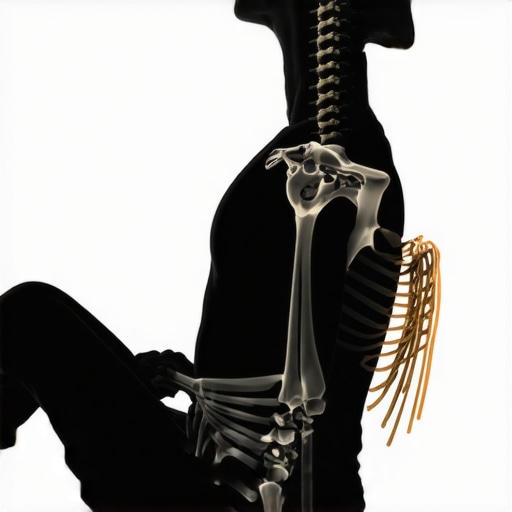
It was a morning like any other, I was sitting at my desk, starting my day when I suddenly felt that tight, stabbing pain in my jaw that just wouldn’t quit. I’d been grinding my teeth and clenching my jaw, but I didn’t realize the real culprit might be staring back at me in the mirror—my posture. That lightbulb moment shifted everything for me, and I want to share this with you because chances are, you might be battling similar issues without even knowing why. Today, we’re going to explore how your posture influences your jaw health and what simple adjustments can bring relief.
The Hidden Link Between Posture and Jaw Pain
Assess Your Posture Throughout the Day
Begin by consciously observing how you sit and stand during regular activities. Lie down in your typical resting position and note if your head tilts forward or if your shoulders hunch inward. A practical way is to set a timer to remind yourself every 30 minutes to check your posture. During one session, I noticed my head was consistently pushed forward while working at my desk, causing strain. Correcting this initial misalignment is crucial to preventing jaw discomfort.
Adjust Your Sitting Environment
Ensure your workspace promotes proper alignment. Your chair should support your lower back, and your feet need to rest flat on the ground. Your monitor should be at eye level to prevent you from tilting your head downward. Think of your spine as a stack of blocks; if one block shifts, the entire structure stresses other parts, including your jaw. I replaced my monitor stand, which immediately reduced neck strain and contributed to less jaw clenching.
Strengthen and Stretch Key Muscles
Incorporate exercises that target neck, shoulder, and jaw muscles. Gentle stretching can include jaw opening and closing motions, side-to-side stretches, and neck rotations. Strengthening exercises involve isometric holds, like pressing your palm against your forehead and resisting movement. I dedicated five minutes daily to these routines, noticing a significant decrease in jaw tension within two weeks. Proper muscle balance supports the alignment of your entire head and neck, reducing the tendency to grind or clench.
Practice Mindful Clenching Habits
Become aware of moments when you unconsciously clench your jaw or grind your teeth, especially during stressful periods. Use reminders—like placing a sticky note on your computer—that read “Relax Your Jaw.” When you catch yourself, gently open your mouth and breathe deeply. During a stressful meeting, I realized I was tightening my jaw without realizing. Pausing to relax not only alleviates immediate tension but also retrains your muscles over time.
Incorporate Corrective Dental Devices
Consult a family dentist to explore options such as mandibular advancement devices or night guards designed to prevent clenching. A well-fitted device acts like a buffer, preventing excessive force on your jaw joints. I tried an over-the-counter mouthguard initially but found it uncomfortable; later, a custom-fit device from my dentist provided lasting relief. Scheduled properly, these solutions support your efforts to improve posture and are especially beneficial if you’re considering [Invisalign](https://familydentistpro.com/invisalign-innovations-the-future-of-family-dentistry-revealed-at-1137-am) to straighten teeth that may contribute to misalignment-related discomfort.
Many patients believe they understand the basics of orthodontic treatment and oral care, but beneath the surface lie some misconceptions that can hinder long-term success. One widespread myth is that Invisalign aligners are only effective for mild misalignments. In reality, recent advancements show that with proper case selection and clinical expertise, Invisalign can address a wide range of orthodontic issues—challenging the outdated notion that braces are always superior for complex cases. For in-depth insights, check out https://familydentistpro.com/how-invisalign-transforms-family-dentistry-in-2025. Another common misunderstanding involves oral health routines; many think brushing harder cleans better, but this can actually damage enamel and gums. Gentle, thorough brushing combined with flossing and regular dental check-ups ensures optimal health—not aggressiveness.
Are There Overlooked Factors That Impact Dental Restorations?
The choice of a dental crown might seem straightforward—pick a material and get it placed. Yet, many overlook the significance of proper preparation and the nuanced differences between crown types. For example, some patients opt for cheaper metal crowns, unaware of the potential for increased wear on opposing teeth and esthetic compromises. The right selection depends on factors like location, function, and aesthetic goals. For a comprehensive understanding, consult https://familydentistpro.com/choosing-the-right-crown-expert-advice-for-long-lasting-results.
A further nuance is the misconception that family dentistry is solely about routine cleanings and basic check-ups. Modern family practices integrate sophisticated technologies—digital scanning, 3D imaging, and minimally invasive procedures—that enhance accuracy and patient comfort. Ignoring these innovations can lead to outdated treatment plans that don’t address underlying issues effectively. For details about current trends, visit https://familydentistpro.com/family-dentistry-secrets-maintaining-oral-health-with-modern-techniques-at-254-pm.
One critical but often overlooked aspect is the importance of personalized treatment planning. Standardized approaches may neglect individual anatomical differences, leading to sub-optimal results—particularly noticeable with orthodontic solutions like Invisalign. Advanced imaging and computer-aided design allow for precise customization, which is essential for achieving predictable outcomes. Interestingly, experts emphasize that understanding each patient’s unique needs can prevent costly corrections later. For more on this, see https://familydentistpro.com/invisalign-myths-debunked-what-you-need-to-know-today.
Finally, avoid the trap of assuming that dental procedures are purely cosmetic. Restorations like crowns do more than improve appearance; they restore function and prevent further decay. Selecting the wrong type of crown or delaying treatment can lead to more extensive issues, including root canals or tooth loss. To select the best restoration materials and techniques, it’s wise to consult with an experienced family dentist. Learn how proper choices can boost both health and confidence at https://familydentistpro.com/the-ultimate-guide-to-crowns-for-a-healthier-smile.
Have you ever fallen into any of these misconceptions? Drop a comment below and share your experiences—understanding these nuances can make all the difference in maintaining a healthy, beautiful smile.Maintaining oral health and ensuring your dental treatments, like Invisalign or crowns, work effectively over time requires the right set of tools and routines. Personally, I rely on a few key pieces of equipment to monitor and enhance my dental care routine. Electric toothbrushes with sonic technology, such as the Phillips Sonicare Series, provide superior plaque removal and gentler cleaning on sensitive areas, which I found crucial after getting crowns or orthodontic trays. For instance, the Sonicare DiamondClean offers real-time feedback via Bluetooth, allowing me to adjust my brushing technique and avoid damaging restorations. When it comes to flossing, I prefer water flossers like the Waterpik Aquarius, especially around crowns and bridges, because they clean effectively without the risk of floss tearing or causing damage. Regular use of these tools has helped me maintain long-lasting restorations and avoid unnecessary trips to the dentist. I also utilize a magnifying mirror to inspect hard-to-see spots, ensuring no food debris or plaque buildup gets overlooked, which is vital for preventing decay around crowns. Looking ahead, I predict that digital oral health monitoring will become the norm—smart brushes and app-connected devices will offer personalized recommendations, making maintenance easier and more effective. How do I keep my dental appliances working smoothly over time? Routine check-ups with your family dentist are essential; they help identify early signs of wear, especially on crowns and Invisalign attachments, and provide professional cleanings that keep restorations pristine. Additionally, using recommended dental products designed for your specific restorations enhances their longevity. For example, choosing the right whitening toothpaste that’s safe for crowns prevents staining without compromising material integrity. If you’re planning to upgrade your dental toolkit, consider trying a high-frequency sonic toothbrush and a water flosser—these investments can significantly improve your oral hygiene and protect your restorations for years to come. Learn more about maintaining crowns effectively by visiting https://familydentistpro.com/choosing-the-right-crown-expert-advice-for-long-lasting-results. Remember, consistent maintenance is the cornerstone of long-term success, and staying informed about future innovations will help you adapt and optimize your dental routines.
What I Never Expected to Discover About My Smile
One of the most surprising insights I gained was how interconnected my posture and oral health truly are. Initially, I sought relief from jaw pain without realizing that my daily habits, like slouching at my desk, were contributing to my discomfort. This realization reminded me that holistic approaches often yield the best results, especially in family dentistry and orthodontic treatments like Invisalign.
How Personal Experience Redefined My Dental Routine
After correcting my posture and incorporating targeted exercises, I noticed a remarkable reduction in jaw tension. It became clear that combining ergonomic adjustments with professional dental care—such as consulting experts for crowns or aligners—creates a synergy that enhances long-term results. Trusting evidence-based tools and techniques, including modern imaging for personalized treatment planning, has transformed my understanding of maintaining a healthy, confident smile.
Embracing Innovation Beyond Conventional Wisdom
The journey also unveiled the importance of staying informed about technological advancements in family dentistry. For instance, embracing digital scans over traditional impressions not only improves comfort but also increases accuracy for restorations like crowns. Exploring resources like how crowns can enhance your health and confidence has been eye-opening.
Realizing the Power of Small, Consistent Changes
From mindful jaw relaxation to optimizing my workspace, I learned that tiny, consistent actions accumulate into significant improvements. Regularly using leadership in dental health—such as advanced tools and routine check-ups—can prevent issues before they escalate. These lessons have made me more proactive, whether it’s about preventing teeth wear or choosing the right orthodontic options like Invisalign, which is evolving rapidly, as highlighted in the future of Invisalign in family dentistry.
Where Your Next Step Begins
Remember, your journey to a healthier smile isn’t just about the big moments—it’s about understanding the subtle cues your body gives. By embracing a holistic perspective—combining posture, lifestyle changes, and expert guidance—you can unlock a brighter, more confident future. I encourage you to explore innovative solutions and stay curious about how personal habits influence oral health. Choosing the right crowns and understanding the latest in family dentistry are crucial steps on this path.
My Essential Tools for a Continuous Smile Upgrade
Over time, I found that some of the most valuable tools include electric sonic toothbrushes, water flossers, and magnifying mirrors. These simple yet effective devices help me maintain restorations like crowns and aligners, ensuring they serve me longer and perform better. Investing in quality tools, like the latest Invisalign innovations, truly makes a difference. Staying updated with emerging tech and maintaining regular check-ups empowers me to take control of my oral health, and I believe it can do the same for you.
Your Path to Confidence Starts Today
Every small change I made in my routine reminded me of the power we hold in shaping our health and happiness. Whether it’s adjusting your posture, selecting the right dental restorations, or embracing new technology, you have the ability to transform your smile from ordinary to extraordinary. So, I invite you to take that next step with confidence—your brighter, healthier future awaits.
What part of your dental routine do you think could use a fresh perspective? Share your thoughts below and start your journey to a better smile today!