
How to fix a sharp edge on a chipped dental crown
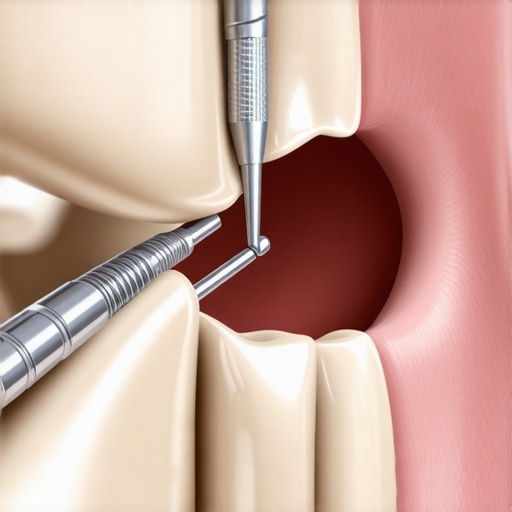
It happened while I was enjoying a crunchy apple—my front tooth suddenly felt razor-sharp, catching my tongue and turning what was a mundane snack into an uncomfortable ordeal. That jarring moment made me realize how even a small chip on a dental crown can turn into a big annoyance—and even a source of embarrassment. If you’ve ever experienced a similar situation, you’re not alone. Many people don’t realize that a chipped crown isn’t just a cosmetic issue; it can cause real discomfort and may lead to further damage if not addressed promptly.
Why a Sharp Edge on Your Dental Crown Really Matters
A chipped or cracked crown might seem like a minor concern at first glance, but underneath, it can pose a host of problems. For starters, a sharp edge can irritate your tongue, cheeks, or gums. Additionally, if left untreated, the damage can worsen, possibly exposing the underlying tooth structure to decay or even causing the crown to fall off completely. That’s why tackling this issue early is so important—not just for comfort but for maintaining your overall dental health.
A common mistake I made early on was attempting to fix the sharp edge with a DIY kit from the drugstore. It seemed simple enough, but I quickly learned that using unprofessional tools and methods can do more harm than good. If you’re considering any quick fixes, I urge you to read on and discover safer, proven techniques to smooth out that annoying edge.
Are you tired of feeling self-conscious about that tiny, painful chip? Or worried about what to do next? Well, you’re in luck. Over the next sections, I’ll share my personal experience and practical advice on how to fix a sharp edge on a chipped dental crown properly. Believe me, this isn’t as complicated as it sounds—and taking the right steps can make all the difference in restoring comfort and confidence.
Before we dive into the how-to, it’s helpful to understand why addressing this issue promptly is crucial. According to the American Dental Association, early intervention can prevent minor damages from escalating into costly and complex procedures down the line. So, if you’ve faced this problem, don’t delay—the solution might be simpler than you think.
Gather the Right Tools Quickly
In my experience, the first step was assembling the necessary supplies. I used a fine-grit emery board, a small mirror, and a clean towel. Think of it like preparing a painter’s toolkit—having the right brushes and paints before starting ensures a smoother process.
Evaluate the Damage Precisely
Next, I examined the chip in a well-lit area using my mirror. Identify the sharpness level and how much of the crown is damaged. Imagine it like troubleshooting a small appliance—knowing exactly what’s broken helps decide the best fix.
Sanitize Your Equipment and Mouth
Before proceeding, I brushed my teeth thoroughly and rinsed my mouth with warm water. Cleanliness is crucial—think of it as sterilizing surgical tools before use. This step minimizes bacteria and reduces the risk of infection.
File Down the Sharp Edges Carefully
Using the emery board, I gently smoothed the sharp area by lightly filing in one direction. It’s like polishing a rough stone into a smooth gem. Work gradually, checking frequently to avoid over-trimming. Patience prevents accidental damage or creating an uneven surface.
Maintain a Steady Hand and Good Lighting
I found that sitting in front of a bright light and stabilizing my hand on a chin rest helped control movements. Precise filing is similar to carving wood—the steadier, the better for a clean finish.
Assess the Result Phases
After a few strokes, I ran my tongue over the crown to feel for any remaining sharp spots. If still present, I continued cautiously. Think of it as sanding wood—small, incremental steps lead to a perfect surface.
Confirm Comfort and Seal the Repair
Once satisfied, I rinsed my mouth again, then gently flossed around the crown. Flossing removes any debris trapped from filing. This step ensures no rough edges remain where food or plaque could gather, maintaining oral health.
Monitor for Sensitivity or Discomfort
After the fix, I noticed no pain, but kept an eye on any discomfort over the next few days. If any persists, consulting your dentist is essential. Think of it as checking in with a mechanic after fixing a car—sometimes, professional evaluation is needed to ensure everything’s in top shape.
When to Seek Professional Help
If the chip is extensive or the crown is loose, do not attempt further DIY fixes. Instead, schedule an appointment through contact us. Remember, a professional can perform precise repairs using specialized equipment that guarantees durability and safety.
This practical approach mirrors techniques used in family dentistry, where careful assessment and gentle handling preserve long-term dental health. For more on how crowns can transform your oral aesthetics and function, visit this guide.
Many people believe that visiting the dentist occasionally is enough to maintain oral health, but this oversimplifies the nuanced nature of dental care. A common misconception is that all dental treatments are interchangeable or that modern procedures like Invisalign and crowns are purely cosmetic; in reality, they serve critical functional roles that can significantly improve your quality of life. For instance, underestimating the importance of well-placed crowns can lead to more than just aesthetic issues—poorly executed restorations may cause bite problems or even accelerate tooth wear over time. It’s essential to understand that **the success of treatments like crowns hinges on precise placement and material choice**, which many overlook. According to a 2020 study published in the Journal of Prosthetic Dentistry, misjudging crown fit can lead to higher failure rates and chronic discomfort. In family dentistry, the *hidden nuance* often lies in personalized treatment planning that considers the patient’s unique anatomy, habits, and long-term goals, not just immediate repair.
One trap many fall into involves the ‘quick fix’ mentality—using over-the-counter whitening products or temporary DIY repairs on crowns. While tempting, these shortcuts can cause unintended damage. For example, using abrasive pastes for cleaning crowns may scratch the surface, leading to staining or compromise of the material’s integrity. Instead, understanding the specific types of crowns and their maintenance needs is crucial; porcelain and ceramic crowns, for instance, require different care compared to metal ones. Visiting your family dentist for tailored advice on maintaining crowns and other restorations ensures longevity and optimal function.
In the realm of Invisalign, there’s a misconception that it’s just about straightening teeth without fuss. However, overlooked details like adherence to wearing schedules and proper cleaning can undermine results. Additionally, advanced practitioners recognize that Invisalign can also address complex bite issues and overcrowding—once considered outside its scope. The key is **comprehensive diagnostics and strategic treatment planning**—a skill honed through experience and continuous learning. Studies such as those by the American Association of Orthodontists demonstrate that when properly managed, aligners can outperform traditional braces in patient satisfaction and oral health outcomes.
Having a thorough grasp of these hidden details can dramatically impact your dental health journey. For example, understanding how minor misalignments affect jaw health or how crown material choices influence durability empowers patients to make informed decisions. Remember, **the true expert moves beyond superficial fixes and digs into the intricacies that determine long-term success**. If you’re curious about optimizing your treatments or avoiding costly mistakes, explore our comprehensive guide to crowns or learn how Invisalign is revolutionizing family dentistry in 2025.
Are you falling prey to common myths about your dental care? Or have you experienced unexpected complications from overlooked details? Share your stories or questions in the comments. Let’s keep uncovering the secrets to lasting oral health together.Keeping your dental restorations, like crowns and Invisalign aligners, in top condition requires the right tools and techniques. I personally rely on a few proven devices that ensure long-term durability and prevent common issues such as chips, misfits, or plaque buildup. One essential tool I recommend is the **ultra-fine polishing diamond bur**, which allows for precise smoothing of minor chips or rough edges at home. Its fine grit enables gentle, controlled polishing without damaging the restoration material, making it a favorite of family dentists for quick fixes between appointments. I also use a **high-quality magnifying mirror**—not your average drugstore mirror—to assess the integrity of a crown or aligner fit accurately. The clarity and magnification help spot even tiny defects early, saving you future discomfort and costly repairs. For maintaining oral hygiene around restorations, I swear by a **water flosser** with adjustable pressure settings. This device effectively removes debris and plaque from hard-to-reach areas, especially along the gumline where crown margins meet the tooth. It’s gentle enough for daily use but powerful enough to prevent long-term issues that can compromise your investment. Personally, I load my water flosser with a medicated mouth rinse once a week to add an antimicrobial punch, reducing bacteria and potential inflammation. Looking ahead, I predict smart technology will increasingly integrate with dental tools—imagine AI-enabled toothbrushes that track your brushing habits and provide real-time feedback. Staying equipped with current manual tools is crucial now, but embracing future innovations will only boost your ability to keep restorations functioning optimally over years.
How do I maintain my dental tools and restorations over time?
Regularly sterilize tools like your diamond burs with medical-grade disinfectants, and replace them as recommended by the manufacturer to avoid wear that reduces effectiveness. Clean your magnifying mirror with alcohol-based wipes weekly to prevent fogging or residue buildup. For your water flosser, descale monthly using a vinegar solution, and check for nozzle blockages. Consistent care of your tools ensures they perform reliably, preventing mishaps like scratching veneers or damaging aligners. Remember, the goal is to use equipment that enhances your ability to care for your smile effectively, reducing the need for frequent professional interventions. For more expert advice on maintaining long-term success with crowns, visit this detailed guide. If you want to upgrade your dental routine, try using a **magnifying mirror during cleaning sessions**—trust me, the difference in detection and care accuracy is remarkable. By investing in the right tools and routine maintenance, you’re supporting your smile’s health and saving money over the years. Don’t forget to consult your family dentist regularly for personalized guidance, and explore new innovations like AI-powered dental devices that could redefine how we care for restorations in the future.
Through my journey with family dentistry, I discovered that the smallest details can have the biggest impact on oral health. One lesson I cherish is that proactive care—like promptly smoothing a chipped crown—can prevent embarrassing moments and costly repairs down the line. Recognizing the importance of personalized advice and avoiding shortcuts has been transformative in my approach to dental wellness. Remember, your smile is a lifelong investment, and understanding the nuances of treatments ensures it stays bright and healthy for years to come. For expert guidance on long-lasting restorations, explore this resource.*