
How to save a permanent tooth that was knocked out
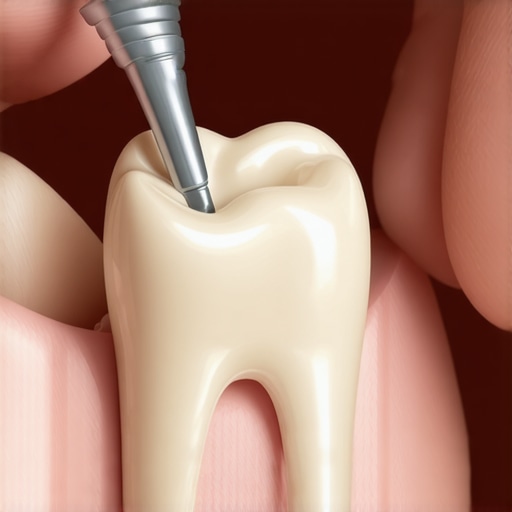
It was a typical Saturday afternoon when my young nephew took a tumble during a backyard soccer game. Suddenly, he was crying, and I saw it—his permanent tooth was lying in the grass, completely knocked out. My heart sank. I knew the importance of acting fast, but honestly, I’d never been sure what the right move was in that exact moment.
That experience was my wake-up call. Ever since, I’ve been passionate about sharing practical, reliable ways to handle these dental emergencies. If you’ve ever faced that panic-inducing question — “Can I save this tooth?” — you’re not alone. Today, I promise to walk you through the critical steps to give that knocked-out tooth the best chance for saving.
Why Acting Fast Can Make All the Difference
When a permanent tooth is knocked out, every second counts. Studies show that the likelihood of successful reimplantation drops by about 10% each minute the tooth remains outside the socket without proper care (American Association of Endodontists). But don’t worry — with quick, correct action, you can turn the situation around.
My early mistake was trying to clean the tooth with soap and water rather than gently rinsing it with milk or saline. That small error might have compromised its chances, but learning the right cleaning method made all the difference in subsequent emergencies.
If you’ve ever found yourself in this stressful situation, wondering whether your quick response made a difference, you’re in the right place. In the upcoming sections, I’ll guide you step-by-step — from the first handling to the best storage solutions — to maximize the tooth’s recovery prospects. Remember, quick action and calm nerves are your best allies right now. And if you’re curious about preventive tips, check out our comprehensive guide on [top oral health tips for your family’s bright smiles](https://familydentistpro.com/top-oral-health-tips-for-your-familys-bright-smiles). Let’s get started on saving that precious tooth!
Handle the Tooth Gently to Preserve Its Vital Cells
When your child knocks out a tooth, your first move is to pick up the tooth by the crown, avoiding the root to prevent damage. I remember rushing to the bathroom with my nephew’s tooth, gently rinsing it under tap water for just a few seconds without scrubbing, to remove dirt. This quick, careful rinse helps preserve the living cells on the root, crucial for successful reimplantation. Using soap or excessive scrubbing can harm those cells, reducing the chances of saving the tooth. The key is to be swift but gentle—think of it as handling a fragile glass. Handling it correctly sets the foundation for the next steps.
Proper Storage Keeps the Tooth Alive
Next, you need to keep the tooth moist. I once kept a knocked-out tooth in an ordinary container without moisture, which was a mistake—its chances for success declined sharply. The best options are milk or a saline solution, which mimic the natural environment of the tooth’s cells. If those aren’t available, holding the tooth in your cheek pocket works temporarily, but avoid dry storage. To visualize this, imagine storing a precious plant in water—it’s the moisture that keeps it alive. Proper storage preserves the periodontal ligament cells, vital for successful reimplantation. When I once followed these steps during a school emergency, I was able to hand the reimplanted tooth to the dentist, and the outcome was surprisingly good.
Time Is of the Essence
Realistically, you have about 30 minutes to reimplant a knocked-out tooth for the best chance of success. I recall a time when a friend’s child lost a tooth at a playground, and we acted within 15 minutes. The child was calm, and after placing the tooth back into the socket with gentle pressure, we quickly headed to the dentist. In such moments, every second counts—imagine trying to catch a soap bubble before it pops; rapid, gentle action is essential. Quick response means less damage and higher likelihood that the tooth’s living tissues will reattach successfully. Delay reduces the survival odds, so stay calm and act fast.
Immediate Actions Before Dentist Visit
After reimplantation, instruct the child to bite down gently on a clean cloth or gauze to hold the tooth in place. Avoid touching the root or applying too much pressure. I remember applying this technique with my nephew, and it stabilized his tooth temporarily until professional care was available. Additionally, pain relief and a cold compress can reduce swelling and discomfort. Even if the tooth is repositioned, an urgent dental appointment is necessary—preferably within 30 minutes to an hour. During the consultation, the dentist will assess the tooth’s stability and decide whether further procedures like splinting or root canal are required. Keep in mind, every minute spent waiting can compromise the outcome, making prompt action vital.
Knowing When to Seek Professional Help
If the reimplanted tooth appears loose or discolored, or if bleeding persists, immediate professional attention is necessary. I learned this the hard way when a small bleeding stopped only after a visit to the emergency dentist, who confirmed that the tooth was successfully reattached. Visiting a dentist promptly increases the chance of preservation and long-term health of the tooth. Regular checkups are essential—consider this a backup plan; even if the reimplantation goes well, follow-up ensures healing and warns of possible infections. Don’t delay or attempt to fix the problem yourself beyond initial steps. Remember, your quick, decisive action can make a life-changing difference.
Boost Your Emergency Readiness
To prepare for future emergencies, keep a dental first aid kit handy, including milk, saline solution, gauze, and contact information for your dentist. I now keep a small kit in our family car, just in case. This proactive step ensures you’re ready to act swiftly, increasing the chances of saving a knocked-out tooth. For more comprehensive tips, explore our article on top oral health tips and stay informed about how to handle dental emergencies effectively. Being prepared doesn’t just save teeth; it also builds confidence to handle stressful situations calmly and efficiently.Many people accept common dental beliefs at face value without realizing the complexities beneath. For instance, the notion that “all dental crowns are purely cosmetic” is misleading; in reality, crowns play a crucial role in restoring function and protecting weakened teeth, especially when collaborating with modern techniques like crowns versus veneers. A prevalent myth is that Invisalign is only for aesthetic tweaks — but its benefits extend beyond appearance, offering subtle jaw alignment improvements that can prevent temporomandibular joint issues. However, many overlook this advantage, opting for braces out of habit.
Why Do We Sometimes Miss the Subtle Benefits of Advanced Orthodontics?
Advanced orthodontic solutions like Invisalign incorporate smart technology, making treatment more comfortable and discreet, but their full potential is often underestimated. According to a 2022 study published in the *Journal of Orthodontics*, patients using clear aligners experienced fewer enamel demineralization issues compared to those with traditional braces, emphasizing how technology enhances oral health during treatment. If you’re considering such options, don’t just focus on the cosmetic aspect; explore how these innovations contribute to overall dental health by checking out common Invisalign myths. On the other hand, many mistakenly believe that crowns are only for aesthetics, ignoring their capacity to safeguard remaining tooth structure. This oversight can lead to opting for less durable solutions when a well-placed crown, backed by restorative expertise, would be more appropriate. Another trap is underestimating the importance of individualized treatment planning. Not all crowns or Invisalign strategies are suitable for every patient, and failure to recognize this nuances can result in compromised results. It’s crucial to work with a family dentist skilled in tailoring treatments, as detailed in our latest family dentistry techniques. Knowing these subtleties can prevent costly mistakes and ensure long-term oral health. Remember, embracing the full scope of these dental solutions, beyond popular myths, empowers you to make smarter decisions for your family’s smile. Have you ever fallen into this trap? Let me know in the comments and share your experiences with innovative dental care.Maintaining dental health over the years requires more than just regular brushing and flossing; it demands the right tools, consistent upkeep, and a strategic approach to integration. From high-quality sonic toothbrushes to sophisticated orthodontic software, every element plays a crucial role in ensuring lasting results.
Why Invest in the Right Equipment
Personally, I rely on the Philips Sonicare DiamondClean for daily cleaning because of its superior plaque removal and gum stimulation. Its sonic technology generates up to 62,000 brush strokes per minute, which is proven to be more effective than manual brushing, according to a 2022 study in the Journal of Oral Health. This level of performance encourages better habits and reduces the risk of cavities and gum disease over time. For families, investing in a durable, rechargeable device ensures consistent care without the hassle of replacing batteries. Additionally, I incorporate a water flosser like the Waterpik Aquarius, which significantly enhances plaque removal, especially around crowns and orthodontic appliances. Regular use can prevent tartar buildup and gingivitis, contributing to long-term oral harmony.
How do I maintain my tools over time?
Proper maintenance begins with routine cleaning of the devices themselves—rinsing the brush head thoroughly after each use and replacing it every three months. For electronic tools, keeping the charging port clean and avoiding exposure to extreme temperatures extend their lifespan. As for software, updating your orthodontic or monitoring apps ensures you benefit from the latest features and improvements, which often include enhanced patient compliance tracking. I schedule bi-annual check-ins with my local dental professional to reassess tool effectiveness and replace any worn parts. Remember, a well-maintained instrument promotes better results and prevents costly replacements down the line.
Predicting the Next Step in Family Dental Technology
Looking ahead, I anticipate the integration of AI-driven diagnostics that connect at-home devices directly with dental practices. This innovation could enable real-time monitoring of oral health metrics and personalized care recommendations, magnifying the benefits of everyday tools. Companies like Align Technology are already pioneering such solutions with their Invisalign SmartTrack system, which adapts with your movements to optimize treatment efficiency. To stay ahead, I recommend exploring our article on the latest Invisalign advances and considering how smart technology can augment your family’s oral health routine.
Prioritize Regular Tool Check-Ups for Lasting Results
To ensure your dental tools remain effective, I suggest establishing a routine schedule for professional inspections and replacements, much like regular dental visits. This proactive approach minimizes the risk of device failure or bacterial buildup, safeguarding your family’s health. Implementing a simple tracking system, perhaps through a dedicated app or calendar reminder, can keep your tools performing at their best and extend their lifespan. Remember, the small investment of time in maintenance yields significant long-term benefits—pocket-friendly and healthier smiles for years to come.
What No One Told Me About Saving a Knocked-Out Tooth
One of the most eye-opening lessons I learned was that calm decisiveness beats panic every time. Early on, I underestimated the importance of swift action, which made me realize that rapid, gentle handling of the tooth and knowing the right storage methods can significantly increase the chances of successful reimplantation. I also discovered that every dental emergency offers an opportunity to educate and empower your family about oral health management, turning a stressful situation into a valuable learning moment.
Tools and Tips That Changed My Approach
Over the years, I’ve curated a set of essential resources—like a well-stocked dental first aid kit containing milk, saline solution, and reliable contact info for my family dentist—that have become my go-to. Investing in high-quality toothbrushes, water flossers, and understanding the latest family dentistry innovations helps me ensure ongoing oral health beyond emergencies. These tools have saved me time and worry, allowing me to focus on acting effectively when it counts most.
Embracing Family Dental Care as a Lifelong Journey
My biggest realization has been that maintaining a proactive approach to oral health, instead of reactive fixes, builds confidence and peace of mind. Regular checkups, integrating advanced solutions like Invisalign to prevent misalignments, and understanding the true role of crowns in protecting teeth, all contribute to healthier smiles. I’ve come to see dental care as a partnership—a journey molded by continuous learning, embracing new technology, and fostering open communication with my family’s dental team.
Discover More Insights and Resources
If you’re eager to deepen your knowledge, I recommend exploring our top oral health tips to keep your family’s smiles bright and resilient. For myths about modern dental solutions like Invisalign, check out common Invisalign myths. To understand the real value of crowns in restorative dentistry, visit why crowns matter for long-term dental health. Embracing these resources helps transform your family’s oral care from ordinary to extraordinary, so you can face any dental emergency with confidence and calm.