
The easiest way to get your toddler to sit still at the dentist
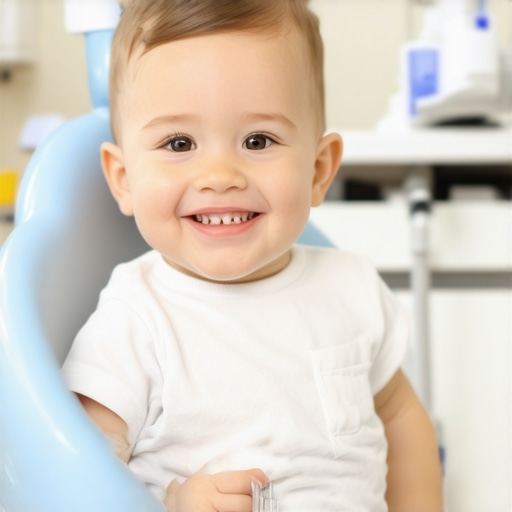
I remember the first time I took my Toddler for a dental appointment. Everything was going smoothly—until it was time for the exam. Suddenly, my little one was wriggling, protesting, and trying to escape. That wasn’t the visit I imagined, and honestly, it left me feeling helpless and discouraged. I realized then that getting a toddler to sit still at the dentist isn’t just about brave faces and bribes; it’s about understanding their world and making dental visits less intimidating.
If you’ve ever faced a similar battle, you’re not alone. Many parents struggle to keep their little ones calm during dental appointments, which can make the experience stressful for everyone involved. The good news is, there are proven strategies that can transform these visits from a chaotic ordeal into a calmer, more manageable experience. Today, I’ll share practical tips based on my personal journey—and expert advice—to help your toddler stay still and even start to enjoy (or at least tolerate) their dental visits.
Why Keeping Your Toddler Still at the Dentist Matters
Imagine trying to examine a squirming, protesting child. Not only is it frustrating, but it can also compromise the quality of their dental care. Plus, a tense or frightened child might develop a negative association with dental visits, which could lead to lifelong dental anxiety. According to a study published in the Journal of Pediatric Dentistry, early positive experiences at the dentist can significantly influence a child’s attitude toward oral health later in life. That’s why creating a calm, cooperative environment from the start is so important.
But let’s face it—kids are naturally curious and energetic. Sometimes, even the best intentions can lead to a battle of wills. I myself made the mistake of rushing through appointments, trying to hurry and get it over with. That only heightened my child’s anxiety. Instead, I learned that patience, preparation, and the right approach can make a world of difference. And I want to help you avoid some common pitfalls, like neglecting to explain what will happen, or failing to bring familiar items that comfort your child.
Are you tired of pulling and coaxing your child into the dental chair? Do you fear that your little one will run out of the office mid-appointment? You’re not alone, and the good news is that with a few simple changes, you can turn dental visits into less of a struggle.
Before we dive into the step-by-step techniques, it’s useful to understand what not to do. Early on, I tried using bribes like candy or toys, thinking it would be enough to keep my child seated. While temporary compliance might occur, it often set a precedent for expecting rewards and could create more anxiety around the visit itself. Instead, focusing on building trust and making the experience feel safe can lead to better cooperation in the long run.
In the next sections, I’ll walk you through the specific strategies that have helped my family—and many others—to make dental visits smoother. From pre-appointment preparations to in-office techniques, these tips are designed to make your child’s dental health routine less stressful and more positive.
Prepare Your Child Mentally and Physically
Start by explaining what to expect in simple, positive terms. Use stories or favorite characters to make the visit relatable. For example, I once told my son that his favorite superhero was going to visit the dentist and needed his help to keep his teeth super strong. This approach shifted his perspective from fear to excitement, though it took a few tries to get it right.
Use Visual Aids or Play
Bring along a favorite toy or tablet with child-friendly videos to distract your child during the appointment. I found that mimicking the dentist’s tools with playdough or stickers beforehand helped reduce anxiety. When my daughter saw the mirror and tiny brush, she was curious rather than scared.
Optimize the Waiting and Appointment Environment
Arrive early to allow your child to observe the busy, friendly environment without feeling rushed. Request a pediatric specialist if possible, as they are trained to handle young children’s needs and adapt their approach dynamically. For my own experience, I chose a dentist who played gentle music and decorated the room with cheerful colors, which noticeably calmed my son.
Build Trust with the Dental Team
Introduce your child to the dentist beforehand if possible, either through a quick video or a quick visit to the office. Explain that the dentist is a friendly helper who will make their teeth healthy. I personally accompanied my child during a brief tour, which made the actual exam smoother because he recognized the environment and the staff.
Use Positive Reinforcement and Comfort Measures
Reward cooperation with praise or a small toy after the appointment. During the visit, hold your child’s hand or keep a comforting object nearby. I learned that cuddling or gentle voice reassurance helped my toddler focus on my presence rather than the unfamiliar instruments.
Introduce Small Practice Sessions
Practice basic dental hygiene routines at home in a fun, game-like manner. Use timers or songs to make brushing a routine adventure. This familiarity makes actual cleaning or exams less intimidating, as I discovered when my daughter happily opened her mouth upon seeing her favorite brushing song play.
Utilize Specialized Techniques When Necessary
Apply distraction methods like deep breathing exercises or gentle massage to relax tense muscles. If your child resists, consult with the dentist about options like sedation or special behavioral strategies. Remember, patience and consistency are key to making incremental progress—I’ve seen children go from crying to cooperative over months of gentle exposure and positive experiences.
For further insights on family dental techniques, check this comprehensive family dentistry guide. My own journey has taught me that a calm, prepared approach transforms a stressful visit into a bonding opportunity, paving the way for healthier, happier smiles.
Many people assume they fully understand procedures like Invisalign, crowns, and general oral health practices, but beneath the surface lie subtle nuances that can make a huge difference in outcomes.
Why Do Mydentists Recommend This? The Myth of One-Size-Fits-All Solutions
One common misconception is that Invisalign is suitable for all alignment issues, but in reality, it’s most effective for mild to moderate cases. More complex misalignments often require traditional braces or even surgical intervention. Relying solely on Invisalign without a professional assessment can lead to prolonged treatment times or unsatisfactory results. For comprehensive insights, check out this resource on Invisalign myths.
The Catch with Crowns and Restorative Work
Many believe that all crowns are equal, but the materials and techniques vary significantly, impacting durability and aesthetics. For example, while porcelain crowns offer a natural look, they may be more prone to chipping than zirconia. Moreover, the placement technique matters; improper fitting can cause sensitivity or even decay underneath. To avoid costly mistakes, consult this guide on selecting the right crown and ensure your dentist adheres to best practices.
Overlooking Oral Hygiene Nuances Can Backfire
It’s tempting to think regular brushing suffices, but advanced oral health requires attention to detail like interdental cleaning, tongue scraping, and proper technique. Failing to understand these finer points can lead to plaque buildup, gum disease, and even crown failure. Recent studies, such as those published in the Journal of Pediatric Dentistry, emphasize that personalized oral hygiene routines drastically improve long-term outcomes. Don’t miss these advanced tips—your smile’s health depends on them!
Are These Practices Safe for the Whole Family?
Family dentistry is often thought of as just routine, but the nuanced differences in age-specific care, materials used, and treatment timing are critical. For instance, applying sealants at the right age can prevent cavities, but unnecessary or premature interventions might cause more harm than good. Ensuring your family dentist is well-versed in these nuances can be the difference between protecting and unintentionally harming your loved ones’ oral health. Learn more at this family dentistry guide.
Understanding these hidden details not only ensures you get the best possible care but also helps you avoid common pitfalls that could cost time, money, or your dental health. Have you ever fallen into this trap? Let me know in the comments to share your experiences and questions.
Maintaining your dental work and overall oral health requires not only good habits but also the right tools and routines. As a family dentist committed to longevity in your dental investments—like crowns, Invisalign, or fillings—I’ve found that precise tools and consistent practices make all the difference. One essential tool I personally recommend is the Waterpik Water Flosser. It effectively reaches areas traditional floss can’t, especially around crowns and braces, helping prevent plaque buildup that could compromise your restorations. I use it daily and tell my patients to do the same—it’s proven to reduce gingivitis and prolong the lifespan of dental restorations according to research in the Journal of Clinical Periodontology.
In addition to tools, software like Dental Monitoring allows for remote check-ins, catching issues early before they escalate. I leverage this technology to oversee my patients’ periodontal health and ensure their treatments—from crowns to aligners—stay on track.
For ongoing maintenance, using an electric toothbrush such as Sonicare helps ensure thorough cleaning, especially around crown margins or Invisalign attachments. Its oscillating brush head provides superior plaque removal compared to manual brushing, which I emphasize during patient consultations.
Predicting future trends, I see a shift toward smarter, AI-integrated dental tools that will provide real-time feedback and personalized care plans—think sensors embedded in your toothbrush that monitor brushing pressure and duration.
So, how do I maintain my crowns, Invisalign, or general oral health over time? The key is consistent use of these tools, combined with regular dental check-ups. Scheduling semi-annual visits helps monitor the integrity of crowns and detect early signs of wear or decay. Maintaining an updated hygiene routine with recommended products ensures long-lasting results.
Finally, don’t forget the importance of professional advice. My recommendation is to discuss with your dentist about incorporating advanced tools like the ones mentioned and tailoring a long-term maintenance plan that suits your lifestyle. For example, you might consider scheduling regular scans with digital overlays to assess the health of your crowns and surrounding tissues—this proactive approach can save you significant discomfort and expenses down the line. Curious about how innovative approaches can enhance your family’s oral health? Check out this article on crowns and long-term care. Start integrating one or two of these tools into your routine today, and experience the peace of mind that comes with knowing you’re doing everything possible to keep your smile healthy for years to come.
Lessons I Wish I Learned Sooner About Invisalign and Crowns
One of the biggest lightbulb moments in my dental journey was realizing that not all dental solutions are one-size-fits-all. For example, I once assumed Invisalign would correct every orthodontic issue, only to discover that severe misalignments often require traditional braces or surgical options. This taught me the importance of consulting an experienced specialist rather than relying solely on popular trends.
Another insight was understanding that crowns are not just about aesthetics; their longevity depends heavily on proper material choices and fitting techniques. I used to think all crowns were the same until I learned about zirconia versus porcelain and how each impacts durability and appearance. Knowing this can save you from unnecessary adjustments or replacements later.
Finally, I learned that a holistic view of family dentistry involves more than routine cleanings. Personalized preventive strategies, tailored to each family member’s age and health, can significantly reduce long-term dental issues. It’s a reminder that investing time in understanding unique needs pays off in healthier, happier smiles.