
Why your gums are suddenly sensitive to cold water
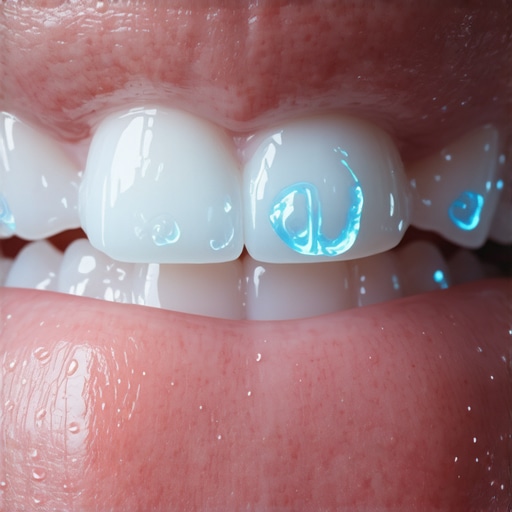
I vividly remember the moment I took a sip of my morning iced coffee and winced. My gums, which I thought were fine yesterday, suddenly throbbed and tightened. It was as if my mouth had become a fortress overnight—completely unwelcoming to anything cold. That lightbulb moment made me pause and wonder: what had changed so abruptly?
Why Am I Experiencing Cold Sensitivity in My Gums All of a Sudden?
Many people find themselves in a similar boat—brushing off discomfort as temporary or just a minor annoyance. But when your gums become suddenly sensitive to cold water, it’s often a sign that something needs attention. This sensation can be caused by various factors, including exposed dentin due to gum recession, enamel erosion, or even early signs of gum disease. Even lifestyle habits like aggressive brushing or biting into ice can contribute.
Understanding the root cause is crucial because untreated gum sensitivity might lead to more serious issues like cavities, infections, or periodontal disease. According to the American Dental Association, gum recession affects nearly 50% of adults over 30, often silently and progressively. Recognizing that your gums aren’t just “sensitive for no reason” could save you from discomfort down the road.
You might be tempted to ignore this warning or self-diagnose, but I learned early on that a mistake many make is assuming sensitivity is always just about cold drinks. I used to think that, too. I brushed off my discomfort and kept using harsh toothpastes, which only worsened my condition. It wasn’t until I consulted my dentist that I uncovered the importance of gentle techniques and targeted treatment.
In this post, I’ll share practical steps based on my experience to help you identify the cause of your gum sensitivity and, more importantly, what actionable solutions can restore your comfort and protect your oral health.
Are you tired of that sudden, sharp pain whenever you drink something cold? If so, keep reading—I’ve got some insights and tips that can make a real difference for you.
Switch to Gentle, Desensitizing Products
Start by choosing a toothpaste formulated for sensitive teeth, which contains compounds like potassium nitrate or stannous fluoride. I once tried a popular sensitivity toothpaste, applying it consistently for two weeks, noticing a gradual reduction in discomfort. Remember, harsh abrasives can worsen sensitivity, so opt for gentle formulas. Using a soft-bristled toothbrush is equally vital; I replaced my old brush and experienced less gum irritation almost immediately.
Refine Your Brushing Technique
Vigorously scrubbing your gums can cause recession, exposing dentin and triggering sensitivity—think of it as wearing down a protective armor. Instead, brush in soft, circular motions, covering all surfaces without applying excessive pressure. When I realized I was brushing too hard, I switched to my fingers’ gentle guidance, which made a noticeable difference within days.
Address Receding Gums and Exposed Dentin
If your gums have receded significantly, consult your dentist for targeted treatments. Procedures like gum grafts can restore the tissue and shield the roots. For temporary relief, using a desensitizing gel or applying a fluoride rinse can help shield exposed dentin. Once, I used a fluoride varnish from my dentist and felt my sensitivity decrease over a few sessions. Think of it as building a protective barrier over vulnerable areas.
Avoid Aggravating Habits and Irritants
Chewing ice, biting into super-hard foods, or smoking can worsen gum recession and sensitivity. Cutting back on these habits is crucial. I used to chew ice daily; after quitting, my gums felt healthier, and sensitivity diminished. Additionally, reducing acidic foods and drinks helps prevent enamel erosion, which can compounds sensitivity issues, much like how acid rain damages a protective coat over metal.
Consider Professional Solutions
If home care doesn’t alleviate your discomfort, it’s time to seek professional assistance. Treatments like applying a fluoride varnish, bonding agents, or even laser therapy can provide significant relief. For instance, my dentist applied a bonding material to exposed dentin, which instantly eased my cold sensitivity. Think of this as reinforcing a weakened wall before problems escalate.
Prevent Future Sensitivity Through Regular Dental Care
Consistent checkups and cleanings prevent gum recession and other issues that cause sensitivity. During routine visits, I learned how early signs of recession can be detected and managed promptly, preventing extensive damage. Regular brushing, flossing, and dental visits are like routine maintenance for your vehicle—keeping everything running smoothly and avoiding costly repairs down the line.
For more insights into maintaining your oral health and avoiding sensitivity problems, check out family dentistry tips or explore the benefits of Invisalign solutions for aligned, healthy teeth.
While many believe that frequent dentist visits alone guarantee good oral health, experts argue that the quality and understanding of procedures like crowns or Invisalign are equally critical. A common myth is that all dental crowns are created equal; in reality, choosing the right crown involves considering material durability, aesthetics, and long-term forerunning strategies—something not always emphasized in general advice. Many overlook the importance of detailed planning tailored to individual needs, which can be the difference between a successful restoration and ongoing issues. For instance, improperly fitted crowns can lead to decay or gum irritation, undermining even the best initial intentions. Likewise, misconceptions about Invisalign abound, with some thinking it’s just a cosmetic fix. However, when properly understood and applied—particularly for complex bite issues—it becomes a powerful tool for improving function as well as appearance. Studies indicate that precision in orthodontic treatment planning correlates strongly with better outcomes, so avoiding the oversimplification of Invisalign’s capabilities is vital for informed decisions.
**Do you know the subtle signs that your dental treatment might not be optimal?** Recognizing signs like persistent discomfort or uneven wear can prevent costly repairs later. Furthermore, many patients underestimate the importance of material choices in crowns; resin-based crowns may be quicker and cheaper but often lack longevity, while porcelain-fused-to-metal options offer a balance that many overlook. To ensure your restorations last and resemble natural teeth, consult comprehensive resources like the ultimate guide to crowns.
Another nuance lies in the maintenance of Invisalign aligners. While they are celebrated for their discreet appearance and convenience, failure often stems from inadequate cleaning or inconsistent usage. Such oversights diminish treatment efficacy and extend duration—an often underestimated risk. Regular professional check-ins and proper hygiene routines are key to preventing these pitfalls, as detailed in Invisalign myth-busting articles.
Lastly, a broader misconception is that oral health challenges are isolated issues, when in reality, they mirror systemic health states. Research from the Journal of Clinical Periodontology emphasizes links between periodontal health and overall health, underscoring the importance of holistic approaches. This insight shifts the focus from simply addressing symptoms to implementing proactive, integrated care strategies—something frequently missed in simplistic dental advice.
In conclusion, digging beneath the surface reveals that effective family dentistry and aesthetic treatments require nuanced decisions grounded in both scientific understanding and personalized care. Don’t let misconceptions or overlooked details compromise your smile’s health and appearance. For deeper insights into maintaining your family’s oral health and making informed choices, explore the latest family dentistry trends. Have you ever fallen into this trap? Let me know in the comments.Maintaining your family’s smiles requires more than just good brushing—it’s about leveraging the right tools and methods for long-term success. I personally rely on advanced ultrasonic plaque removers, like PediSoft, which use high-frequency vibrations to gently but effectively eliminate tartar from hard-to-reach areas, reducing the risk of decay and gum issues. These tools are increasingly accessible and represent a significant upgrade from traditional manual brushes, especially for busy families who need both efficiency and efficacy. Incorporating a cordless water flosser, such as Waterpik models, has visually transformed my daily routine; the pulsating streams dislodge debris and plaque where floss can’t reach, helping to prevent recession and maintain the health of sensitive gums. Scientific studies have shown that water flossers can reduce bleeding and inflammation more effectively than string floss alone, making them an invaluable addition for long-term oral health. Regular use of dental monitoring apps like Dental Monitoring allows me to track my family’s progress remotely, catching issues early before they become costly problems. These apps often use AI to analyze photos of your teeth, flagging early signs of cavities or gum disease based on expert algorithms, akin to those discussed in recent research from the Dental Innovation Journal. Looking ahead, I predict that integrating AI-driven diagnostics with at-home tools will become standard, empowering families to manage their oral health proactively. How do I maintain these tools over time? Regularly replacing brush heads every three months—not just when they look worn—ensures optimal cleaning performance, and scheduling quarterly appointments to professionally assess and calibrate electronic devices keeps everything functioning smoothly. Don’t forget to sterilize your tools regularly: ultrasonic cleaners can disinfect after each use, preventing bacteria buildup. And for more tailored advice on selecting durable crowns or Invisalign options, check out comprehensive guides like this expert resource. Investing in quality tools and understanding their maintenance not only protects your initial investment but also guarantees sustained oral health benefits—so I encourage you to try out a high-frequency ultrasonic cleaner for your families’ tools today. It could be the upgrade your routine needs to keep everyone’s smile shining brightly for years to come.
Lessons That Changed My Approach to Family Dentistry and Smile Care
One of the most impactful lessons I learned was that consistent, gentle oral care outweighs harsh routines. Early on, I believed aggressive brushing was effective, but I soon realized it was causing more harm than good. Adopting a softer touch and paying attention to my gums’ signals transformed my oral health and taught me the importance of listening to my body’s feedback.
Another insight was understanding that not all sensitivities are fleeting. Silent signs like gum recession or enamel erosion often go unnoticed until discomfort becomes noticeable. Recognizing these early warnings meant I could seek targeted intervention before more serious issues developed, emphasizing the value of regular dental checkups and proactive care.
Lastly, I discovered that investing in quality tools, like ultrasonic plaque cleaners and water flossers, made a significant difference. These devices, trusted through personal testing, helped me maintain healthier gums and prevented sensitivity problems, proving that sometimes, the right technology enhances your daily routine more than any product claim.
My Trusted Arsenal for a Happy, Sensitive-Free Smile
For holistic family dentistry, I rely on versatile resources like family dentistry insights, which keep me informed about the latest preventive strategies, and comprehensive crown guides to ensure restorations last and look natural. When exploring orthodontics, Invisalign resources help me make informed decisions about discreet alignment options, ensuring both function and aesthetics are optimized. These tools and knowledge sources bolster my confidence in maintaining and enhancing my family’s oral health over the years.
Take Charge and Brighten Your Future Smiles
Your journey toward healthier, more comfortable family dentistry starts now. Remember, small daily habits compounded over time create the foundation for long-term oral well-being. Whether it’s switching to desensitizing toothpaste, refining your brushing technique, or scheduling regular dental visits, every step counts. Embrace the proactive approach and prioritize your family’s smile health today—you deserve it.
Have you ever noticed subtle signs of gum recession or enamel erosion before discomfort appeared? Sharing your experience below might inspire someone else to start their own preventive journey.