
Why your gums are swollen around just one specific tooth
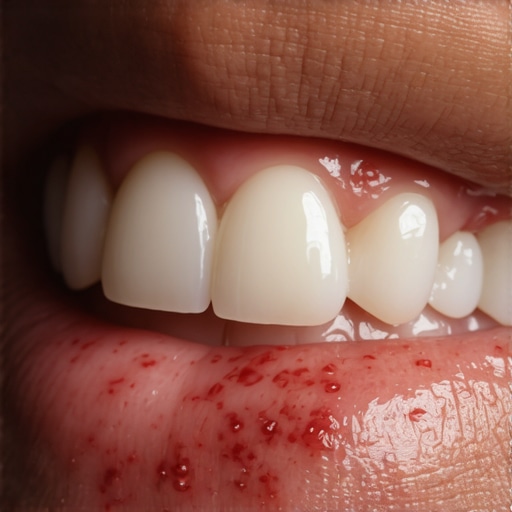
It happened when I was mid-sentence during family dinner—suddenly, I noticed a sharp tug in my jaw, and my eyes widened as I saw the swollen gum around one particular tooth. That unsettling feeling of a puffy, tender gum on just one side is enough to make anyone panic. Why that tooth? What did I do wrong? I’ve been there, and I know how frustrating and confusing it can be when the swelling isn’t spreading across all gums but stubbornly stays around a single tooth.
The Real Reason Behind Swollen Gums Around One Tooth
This isn’t just a random ache; it’s often a sign that something’s not quite right with that specific tooth or the tissues surrounding it. You see, your mouth is a delicate ecosystem. When one area flares up, it’s like a distress signal indicating underlying issues—be it infection, trauma, or a response to dental work like crowns or Invisalign.
Early in my dental journey, I made the mistake of ignoring minor swelling, dismissing it as a mere irritation. That was a rookie mistake. Ignoring early symptoms can lead to more complex problems down the line. According to the American Dental Association, localized gum swelling could be an indication of early-stage periodontal disease or an abscess that needs prompt attention. Delaying treatment can turn a manageable issue into a painful emergency.
If you’ve experienced this yourself—an irritating bump or puffiness on only one side of your mouth—know that you’re not alone. It’s a common concern, and understanding its cause is the first step toward relief. In the sections ahead, I’ll guide you through practical steps to identify and address the root of your swollen gums. Whether it’s a lingering reaction to a dental procedure, an overlooked cavity, or something else entirely, this article will help you make sense of that uncomfortable sensation and plan your next move.
Could it be worth rushing to the dentist at the first sign of swelling?
Start with a Clear Assessment
Examine your mouth carefully to identify if the swelling is accompanied by pain, pus, or an unpleasant odor. This can help determine whether the issue is minor or urgent. Recall a time I noticed swelling after a broken filling; I gently probed the area with a clean finger—if you feel tenderness or a bump, proceed cautiously.
Maintain Excellent Oral Hygiene
Brush twice daily using a soft-bristled toothbrush, paying special attention to the affected area. Floss gently around that tooth to dislodge any trapped food particles or plaque that could exacerbate the swelling. Think of your mouth as a garden—regular cleaning prevents weeds (bacteria) from taking over.
Apply Rinses to Reduce Inflammation
Use an antimicrobial mouthwash or a warm saltwater rinse to soothe irritated tissues. Dissolve half a teaspoon of salt in eight ounces of warm water and swish for 30 seconds. During a recent flare-up, I found that saltwater provided immediate relief, calming the inflamed gum and preventing the infection from worsening.
Manage Pain and Swelling Effectively
Take over-the-counter anti-inflammatory medications like ibuprofen, following dosing instructions. Applying a cold compress to your cheek for 15-minute intervals can also reduce swelling. I remember pressing an ice pack against my jaw and noticing the swelling diminish within minutes.
Identify Underlying Causes Promptly
Check if recent dental procedures like crowns or Invisalign might be contributing. For example, poorly fitted crowns can trap food and cause localized swelling. When I experienced persistent swelling after a crown placement, I scheduled an adjustment with my dentist—DIY fixes are risky for deeper issues.
Be Prepared to Seek Professional Help
If swelling persists beyond 48 hours, worsens, or is accompanied by fever or severe pain, contact your dentist immediately. Don’t delay—such symptoms might indicate abscesses or infections requiring prompt intervention, such as drainage or antibiotics. Recognizing the importance of timely care saved me from a painful emergency and prevented the spread of infection.
When it comes to advanced dental treatments like Invisalign or crowns, there’s a common misconception that once you’ve chosen the right solution, the journey is straightforward. However, as an expert in oral health, I’ve seen many patients fall into subtle traps that can undermine their results. One of the most overlooked nuances is the importance of long-term maintenance and understanding the material science behind these procedures. For instance, many believe that Invisalign aligners are merely cosmetic, but emerging studies highlight their role in preventing occlusal issues if used correctly (more on Invisalign innovations).
What Are the Hidden Pitfalls Behind Crown Longevity and Appearance?
Many assume that any dental crown will last a decade without issues. Yet, the material choice and crown placement significantly influence durability and aesthetics. For example, improperly aligned crowns can trap plaque and accelerate gum recession, leading to recurrent infections. A common myth is that all crowns are equally resilient; in reality, porcelain-fused-to-metal crowns offer a different set of advantages and drawbacks compared to all-ceramic options. Knowing these nuances can help you make an informed decision that balances function and aesthetics. Additionally, neglecting proper sealing techniques during placement may lead to microleakage, causing secondary decay underneath the crown, which can compromise your oral health over time.
Another overlooked aspect is the impact of family dentistry practices on overall health. Regular check-ups may seem routine but are crucial in catching early signs of issues such as bone loss or systemic conditions like diabetes, which manifest orally. A comprehensive approach, like integrating modern diagnostic tools, can save you from expensive and invasive procedures later (see the latest trends in family dentistry).
Advanced mistakes often stem from underestimating the psychological factors influencing oral health behaviors. For example, patients might dismiss discomfort as normal, failing to realize small issues can indicate deeper problems. Also, offering a quick fix without understanding root causes can lead to recurring problems. The real mastery in dental care lies in recognizing these subtle signs and addressing them proactively rather than reactively.
How Can Dentists Balance Aesthetic Appeal with Functional Durability?
This is a major concern for patients seeking aesthetic improvements like veneers or crowns. Selecting the perfect shade and material isn’t enough; understanding how the restoration will interact with your bite and jaw dynamics is vital. Incorporating advanced imaging technologies and planning software enhances outcomes, but only if both dentist and patient recognize their importance. It’s a sophisticated process that requires attention to detail—too often overlooked in pursuit of a quick cosmetic fix. Research indicates that custom-fitted restorations with precise occlusion adjustments significantly reduce wear and breakdown over time (techniques to perfect occlusion).
In essence, the world of dentistry is a tapestry woven with nuances that, if ignored, can undermine even the most well-meaning treatments. The key is ongoing education—both for the dentist and the patient—to stay aware of technological advances, material science, and behavioral habits. Remember, maintaining oral health isn’t just about fixing problems; it’s a comprehensive, long-term commitment. Have you ever fallen into this trap? Let me know in the comments.
Investing in Precision Tools for Long-Term Success
Maintaining your dental restorations requires the right equipment. Personally, I swear by the use of ultrasonic scalers like the SonicDent Plus, which efficiently removes plaque around crowns and implants without damaging delicate tissues. This tool’s gentle yet effective action helps prolong the lifespan of restorations like crowns and veneers, reducing the risk of secondary decay or gum recession. Additionally, digital intraoral scanners such as the iTero Element have revolutionized patient monitoring, allowing for precise tracking of any changes in your bite or tissue health over time. These devices enable early detection of potential issues, saving you from costly repairs later.
Applying High-Quality Oral Hygiene Techniques
Investing in a reliable, electric toothbrush like the Philips Sonicare DiamondClean is essential. Its sonic technology generates up to 62,000 brush movements per minute, effectively disrupting plaque and promoting healthier gums. I use this personally, especially after restorative procedures, because it reaches difficult-to-clean areas around crowns and Invisalign attachments where manual brushing may fall short. Remember, consistent use and replacing the brush head every three months are key practices that maintain optimal oral health.
Using Strategic Rinses to Protect Your Investment
Supplements like PerioPro antimicrobial mouthwash have been game-changers. I recommend this formulation because it not only reduces bacterial load but also helps repair the gingival tissue around restorations. Gentle rinsing twice daily ensures that bacteria don’t settle in micro-gaps beneath crowns or around Invisalign attachments, which can be hotspots for decay or infection. Implementing this step as part of your daily routine can significantly enhance the longevity of your dental work.
Embracing Modern Maintenance Software
For dental practitioners and tech-savvy patients alike, platforms like Dental Monitoring enable remote check-ins and progress tracking. I use this system to review patients’ photos and identify early signs of issues like gum recession or trapped food particles around crowns. These digital tools facilitate quick interventions before small problems become major setbacks, making long-term maintenance more manageable and less invasive.
How do I maintain my dental restorations over time?
Creating a personalized maintenance plan is vital. Regular visits to your dentist for professional cleanings are non-negotiable. They can utilize specialized tools like air abrasion units, which gently clean around delicate restorations, and apply protective coatings to safeguard against staining or microleakage. Moreover, investing in patient education services that explain proper cleaning techniques for crowns and Invisalign ensures you’re well-equipped to avoid common pitfalls. In my experience, combining professional care with at-home practices like using a water flosser—such as the Waterpik Ultra—can dramatically extend the life of your dental investments. For a comprehensive approach, consider reading about the latest family dentistry trends, which emphasize integrating technology with personalized care (see how modern techniques improve oral health).
Looking ahead, I predict that advancements like AI-powered diagnostic tools and smart toothbrushes embedded with sensors will become standard for long-term maintenance. These innovations will enable real-time monitoring of oral health status, allowing for even more proactive interventions. So, why not try incorporating a high-tech element, like an electric toothbrush with app-based tracking, into your routine today? It’s an easy step that can provide immediate benefits and prepare you for the future of dental care.
Over years of working closely with various dental solutions, I’ve uncovered that the most profound insights often come from unexpected places—mistakes, surprises, and those small moments that teach us invaluable lessons. Today, I want to share some insider wisdom that can transform your approach to invisalign, crowns, family dentistry, and overall oral health, ensuring you avoid common pitfalls and make confident choices.
Three Hidden Truths That Changed My Perspective
- Not all materials are created equal: I once assumed that a porcelain crown would last forever. It wasn’t until I witnessed how microleakage caused secondary decay that I realized the importance of material science and proper sealing techniques. Understanding these nuances helps you choose restorations that stand the test of time.
- Early signs matter more than you think: Ignoring minor gum swelling around one tooth may seem trivial, but it often signals deeper issues like abscesses or periodontal problems. Acting promptly can save you from painful emergencies and more invasive procedures.
- Prevention beats cure: Regular check-ups equipped with modern diagnostic tools, like intraoral scanners or digital monitoring platforms, catch issues before they escalate. Embracing these technologies in your family dentistry routine can prolong your smile’s health.
- My biggest realization came from understanding that maintaining oral health isn’t just about fixing problems—it’s about fostering a proactive mindset. Instead of reacting to issues like swollen gums or loose aligners, I advocate for consistent, preventative care that aligns with advances like AI diagnostics and smart hygiene devices. Trust me, this shift can save you time, money, and discomfort.
Tools and Resources That Have Made a Difference
- Choosing the right crown specialist taught me that expertise and proper technique are critical for long-term success. Selecting a dentist with advanced training ensures your restorations are durable and beautifully natural.
- Invisalign versus braces opened my eyes to how personalized treatment plans can fit different lifestyles and budgets, making orthodontic care more accessible and less intimidating.
- Modern family dentistry introduced me to comprehensive approaches that integrate technology, behavioral science, and personalized care, elevating the standard of routine dental visits.
- Investing in tools like the SonicDent Plus ultrasonic scaler and digital intraoral scanners has transformed my ability to monitor and maintain restorations, ensuring their longevity and your peace of mind.
Take Action and Keep Moving Forward
Remember, your journey to optimal oral health is a continuous adventure. Stay curious, embrace technology, and prioritize prevention. Doing so will not only protect your investments like crowns and Invisalign but also enrich your overall well-being. Your smile deserves nothing less.
What’s one small change you’re willing to make today to improve your dental health? Share your thoughts below—I’d love to hear from you!