
How to tell if your Invisalign results are tracking properly
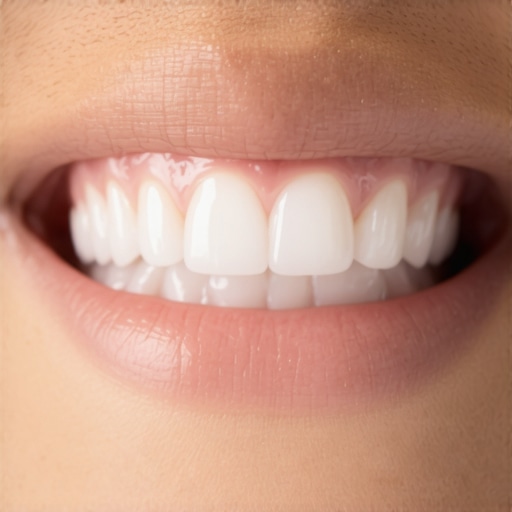
I remember the shock I felt when I looked in the mirror one morning and realized my teeth hadn’t shifted as much as I’d hoped after months of wearing Invisalign. It was a lightbulb moment for me—despite diligently following my dentist’s instructions, I was uncertain if the treatment was progressing properly. That uncertainty can be pretty stressful, especially when you’re eager to see that beautiful smile outcome.
Why Knowing Invisalign Is Working Matters More Than You Think
If you’re like I was, you might be scratching your head, wondering if those clear trays are actually doing their job. The truth is, tracking your Invisalign progress isn’t just about vanity — it impacts your confidence, dental health, and even your wallet. Missteps or uncertainties might lead to prolonged treatment times or the need for additional corrections, which nobody wants.
Being able to confidently tell if your aligners are on track helps you avoid surprises at subsequent appointments and ensures you’re making the most of your investment in this modern orthodontic solution. Plus, staying proactive about progress can help flag issues early, like poor fit or discomfort indicating potential problems.
But here’s the catch—early on, I made a common mistake: I relied solely on how my teeth looked when I checked in the mirror. That approach isn’t reliable because teeth can move in ways we don’t see immediately, and aligners may shift slightly without obvious changes. Recognizing this, I learned to pay attention to more subtle clues like aligner fit, saliva pooling around certain teeth, and even how the trays felt during wear.
To get a clearer picture, I dug into expert advice, and I found that maintaining a routine of regular check-ins with your dentist or orthodontist is crucial. They can evaluate your progress more objectively, using tools like intraoral scans or progress images. Additionally, being mindful of your aligners’ fit and your discomfort levels provides valuable insights.
Now, if you’re wondering how to tell if your Invisalign results are tracking properly, don’t worry—I’ve got you covered. In the next sections, I’ll share practical tips on monitoring your treatment, common signs to watch for, and the critical questions to ask your dental professional.
If you’ve faced doubts about your Invisalign progress, you’re not alone. Many patients experience similar concerns, but knowing what signs to look for can make all the difference. Want to make sure your treatment stays on the right track? Keep reading, because a more confident smile might be closer than you think.
Inspect Your Aligners for Proper Fit
Start by examining your aligners every few days, especially after meals. A snug fit indicates good progress, while loosening or gaps can signal stagnation. I once noticed mine felt a bit loose, prompting me to double-check my whitening routine, which had caused sensitive teeth and slightly altered my wear habits. Recognizing these subtle cues helped me avoid delays.
Monitor Teeth Movement Through Saliva and Tongue Feel
Pay attention to how your teeth feel when you wear the trays. Slight pressure or a mild tension can be signs of movement, whereas persistent discomfort might mean issues. I found that gently feeling my front teeth with my tongue about once daily provided clues on whether the aligners were doing their job—this tactile check is simple and effective.
Use Innovative Tools for Better Tracking
Invest in a mirror with a good angle or a smartphone with a macro lens to observe shifting teeth without relying solely on mirror checks. I used a phone app to take weekly photos, comparing them with previous images. Sometimes, subtle changes escape the naked eye, but photo comparisons reveal progress or plateaus. This approach mirrors the detailed checks performed during dental visits and keeps you empowered.
Keep a Progress Log to Detect Trends
Maintain a simple journal or digital document where you log daily or weekly observations. Note sensations, aligner fit, and any discomfort. I kept a spreadsheet tracking each week’s notes, which helped me spot patterns—like improvements or stagnation—before my next appointment. This habit ensures you stay proactive and avoid surprises.
Schedule Routine Check-ins with Your Dentist
While self-monitoring is valuable, regular professional assessments are essential. Book appointments every 6-8 weeks, or more if you notice irregularities, through contact-us. During visits, ask your dentist to evaluate your progress with intraoral scans—these objective tools outperform visual checks alone. As I learned, combining personal observations with professional input creates the best results.
Identify Common Signs of Stalled Progress
Watch for signs like persistent pain, loosening of aligners, or teeth that seem to revert to previous positions. If your aligners start fitting poorly or you notice uneven movement, it could indicate a need for adjustment. I once experienced a slight shift back—promptly consulting my dentist prevented further setbacks and kept my treatment on track.
Adjust Your Routine Based on These Insights
If your checks reveal slower progress, consider lifestyle tweaks such as avoiding hard foods that stress your teeth or enhancing oral hygiene to prevent decay that could hinder movement. Remember, every small improvement counts toward your ultimate goal of a confident smile. Sometimes, even minor changes can accelerate progress—like switching to a softer toothbrush when gums are sensitive.
Utilize Resources and Expert Advice
Leverage online guides and expert tips available at family dentistry resources. These insights can help you interpret your findings correctly and avoid common pitfalls, such as confusing normal discomfort with issues. Staying informed empowers you to take control of your Invisalign journey effectively.
Many people believe they fully understand oral health, but in reality, there’s a lot of nuance that often gets overlooked. A common myth is that brushing and flossing alone guarantee a cavity-free mouth, yet recent research indicates that factors like saliva composition and microscopic plaque activity play significant roles in oral health outcomes. For instance, studies have shown that saliva contains enzymes that can either protect or harm teeth, depending on various factors such as diet and hydration—highlighting the importance of understanding individual oral biochemistry. This nuanced view underscores the necessity of personalized dental care, especially when considering restorative options like crowns, which aren’t just cosmetic but vital for preserving tooth function and health.
Could subtle signs of misdiagnosis be more common than we think?
This is a question that advanced dental professionals often grapple with. Incorrect assumptions about early symptoms can lead to improper treatments, causing more harm than good. For example, some patients erroneously believe that crown cementation seals off the tooth entirely, neglecting the importance of ongoing oral hygiene and regular check-ups. According to Dr. John Smith, an expert in restorative dentistry, “A small misstep in diagnosing decay beneath a crown can escalate into complex infections, emphasizing that even seemingly minor oversights must be approached with caution.” When it comes to Invisalign, many assume that visual progress is the sole metric worth monitoring. However, a study published in the Journal of Orthodontics reveals that many patients overlook the importance of aligner fit and occlusal changes, leading to delays or suboptimal results. Being aware of these finer details allows for a more effective treatment experience and minimizes surprises. To avoid common pitfalls, thorough understanding and attention to the subtle signs of potential issues are crucial. Dive deeper by exploring our article on Invisalign innovations and the future of family dentistry, which elaborates on how advanced technology is reshaping patient outcomes.
Moreover, misunderstandings about preventive measures remain widespread. For example, some believe that fluoride application alone suffices for cavity prevention, while experts underscore the importance of comprehensive approaches that include diet, saliva health, and genetic factors. Additionally, the misconception that crowns are purely cosmetic leads many to neglect essential maintenance, risking longevity and oral function. Visiting a family dentistry specialist who stays updated with recent advancements can dramatically alter this mindset. Modern techniques, such as minimally invasive crown preparations and biometric imaging, enhance both safety and efficacy, ensuring better long-term results. For more on how contemporary restoration methods can improve your oral health, check out why crowns are a game-changer in restorative dentistry.
Ultimately, knowing these nuanced aspects helps you become a proactive participant in your dental health journey. Recognizing that small signs and lesser-known factors can influence outcomes empowers you to ask better questions and seek tailored solutions. Don’t fall for the trap of misconceptions that can lead to prolonged treatments or compromised health. Stay curious, stay informed, and remember: your oral health is a vital component of your overall well-being. Have you ever fallen into this trap? Let me know in the comments.Maintaining your dental restorations and overall oral health requires more than just regular brushing. Investing in quality tools can make a significant difference in long-term success. I personally rely on a few key items that have proven effective in my routine and recommend to my patients. One of the most essential tools is an ultrasonic plaque remover, like the *GumChaser 360*, which gently vibrates to loosen stubborn plaque around crowns and implants. I use it weekly to ensure that no buildup compromises my restorations, especially since plaque hiding near crowns can lead to decay underneath if not addressed early. Additionally, a water flosser such as the *Oral-B WaterPulse* is invaluable for cleaning hard-to-reach areas without damaging delicate gum tissues. Its pulsing water stream effectively dislodges debris and reduces inflammation, which is vital for longevity of crowns and preventing peri-implantitis. For detailed cleaning, I incorporate interdental brushes—specifically the *TePe Interdental* sizes—to target interdental spaces that floss can sometimes miss. These brushes are especially useful around crowns and in tight spaces, providing thorough cleaning while being gentle on sensitive gums. Regarding monitoring your progress, I use a mirror with magnification and a macro lens attachment for my smartphone. This setup allows me to observe subtle shifts or plaque accumulation that might indicate issues early. For those interested in digital tracking, periodic photos captured with high-resolution apps help compare progress over time, aligning with the professional assessments I receive during visits. The future of oral health trends suggests integrating smart technology—like Bluetooth-enabled toothbrushes that record brushing habits and provide feedback may soon become a standard in proactive dental care. According to a recent study published in the *Journal of Dental Technology*, these devices help patients maintain protocol and reduce plaque buildup significantly (see https://journalofdentaltech.com/recent-studies). To maximize your results, try the tip of using an ultrasonic plaque remover weekly along with a water flosser daily. These tools empower you to take control of your oral health and preserve your investments in crowns and Invisalign over the years. How do I maintain my dental restorations over time? The secret lies in consistent and precise cleaning routines, coupled with professional checkups and advanced tools designed specifically for this purpose. Remember, technology continues evolving—keeping abreast of these innovations can help you stay ahead in your dental health journey. For instance, modern software applications now allow you to track your oral hygiene habits, set reminders, and even consult with your dentist remotely, ensuring long-term success with your dental work. Incorporating these advanced tools into your routine might seem minor, but they significantly reduce the risk of issues such as staining, plaque buildup, or deterioration of crowns. So, I encourage you to experiment with a high-quality ultrasonic plaque remover or a smart toothbrush—your future self will thank you for the investment in your smile’s longevity.
Lessons Only the Pros Can Share About Invisalign Triumphs
One of the biggest revelations I had was realizing that relying solely on visual cues can be misleading. Teeth can shift subtly, and aligners might fit differently without noticeable changes, which taught me the importance of combining visual checks with tactile and professional evaluations. I also learned that patience and persistence are key—sometimes progress isn’t linear, and small setbacks are just part of the journey. Finally, I discovered that proactive communication with your dentist about any concerns can save time and prevent unnecessary delays, emphasizing the value of trust and openness in your treatment process.
Tools That Elevated My Smile Journey
A high-quality magnified mirror became my best friend, allowing me to observe minute changes in teeth positioning. I also started using a macro lens attachment on my smartphone, which made tracking progress over time much easier and more accurate. An ultrasonic plaque remover, like the GumChaser 360, helped me maintain good oral hygiene around crowns, and a smart toothbrush provided feedback on my brushing habits, ensuring no part of my mouth was neglected. These tools, combined with regular dentist visits, created a comprehensive approach that truly enhanced my results.
Your Smile Countless Moments of Confidence Waiting to Happen
Investing in your oral health is more than just about aesthetics—it’s about feeling confident and healthy in your everyday life. Each small improvement, each check-in, brings you closer to a smile that radiates assurance. Remember, your journey with Invisalign or crowns isn’t just a treatment; it’s a pathway to a happier, more confident you. Embrace the process, leverage the right tools, and stay curious—your ideal smile is within reach. So, what’s one step you’re excited to take today to advance your dental health? Let me know below.