
The subtle signs your dental implant might be failing early
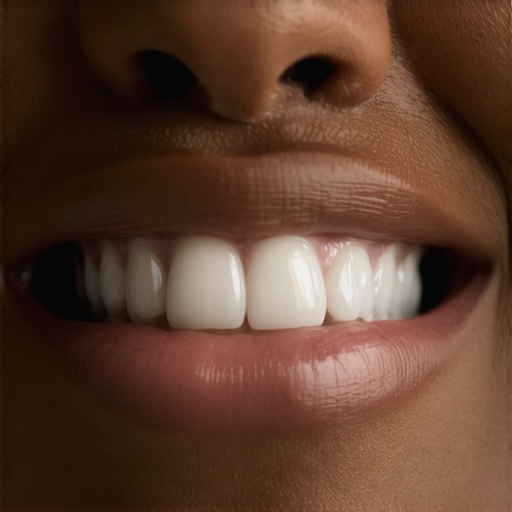
I remember the moment I first realized something might be wrong with my dental implant. It was a seemingly normal morning, but I noticed a tiny, almost imperceptible ache when I brushed near the implant site. At first, I dismissed it as minor discomfort, but as days went on, I started sensing a strange sensation—like a faint clicking whenever I chewed. It was scary, and honestly, I felt a bit betrayed by my own body. It made me question: could this be early signs of my implant failing?
Why Early Signs of Implant Failure Are More Common Than You Think
Many people don’t realize that dental implants, despite being a highly successful solution, are not immune to problems. According to recent research, about 5-10% of implants may experience issues within the first ten years—recognizable if you know what to look for. These early signs can be subtle, almost sneaky, and often mistaken for normal post-procedure sensations or minor irritations. My mistake early on was ignoring these tiny signals, assuming they’d go away on their own. But small issues can escalate if ignored, leading to more complicated, costly treatments later.
So, how can you tell if your implant is trying to tell you something before it’s too late? That’s exactly what I want to share today—the subtle signs that your dental implant might be on the brink of failure, and how to catch them early. Understanding these signs can save you pain, money, and the need for invasive procedures down the line.
Is Worrying About Your Implant Overblown? The Truth Behind The Fears
Honestly, I used to think that if my implant didn’t hurt all the time, everything was fine. That was a mistake. A lot of patients overlook minimal discomfort or occasional sensations because they’re unsure if it’s normal. Trust me, I learned the hard way—early warning signs are often very subtle but important. For more about common misconceptions and what really works, check out [this comprehensive guide on crowns and implants](https://familydentistpro.com/why-crowns-are-a-game-changer-in-restorative-dentistry). Having a knowledgeable professional’s insight is crucial in distinguishing between harmless sensations and early signals of trouble.
Have you noticed any unusual feelings or changes around your implant area? If so, don’t brush it off. Recognizing these signs early can make all the difference. Next, let’s get into what specific symptoms you should be vigilant about, so you can take action before things get worse.
Assess Your Symptoms Methodically
Start by examining your mouth and noting any unusual sensations like persistent pain, loose implants, clicking sounds, or swelling. Use a mirror to visualize the area and check for redness or signs of infection. For instance, I once noticed dull ache near my implant that I initially ignored; a detailed self- check helped me realize something was off. Document these signs with photos or notes to prepare for your dental appointment.
Implement Precise Oral Hygiene Practices
Maintain impeccable cleaning around the implant site to prevent plaque buildup, which can exacerbate issues. Use a soft-bristled toothbrush and interdental brushes to reach hard-to-clean areas, minimizing irritation. I learned that gentle, thorough brushing prevents unnecessary trauma to the implant area, reducing the risk of failure due to infection or inflammation. Regular flossing is crucial—be cautious around the implant to avoid dislodging or damaging it. Incorporate using an antibacterial mouthwash as recommended by your dentist for added protection.
Seek Expert Evaluation Without Delay
Schedule an appointment with your dental professional promptly if you notice any warning signs. They will perform a thorough examination, likely including X-rays, to assess the implant’s stability and surrounding bone health. Remember, early intervention can save you from complex surgical procedures later. During my visit, the dentist identified early bone loss beneath the implant, which could have led to failure if unaddressed. Trust a specialist experienced in implant care—consider consulting a prosthodontist or oral surgeon who can provide targeted advice. For more insights on restorative dental options, explore why crowns are essential in dental restoration.
Navigate Potential Treatment Options Effectively
If issues are detected early, your dentist may recommend treatments like tissue cleaning, bone grafting, or adjusting the implant. In some cases, a temporary measure may involve placing a protective cover or splint to stabilize the implant during healing. I experienced a minor complication where a small amount of inflammation was resolved with targeted cleaning and antibiotics, avoiding removal of the implant. Understand that each case is unique; avoid attempting DIY fixes, as improper handling can worsen the situation. Always follow professional advice to ensure long-term success of your implant.
Maintain Vigilance Post-Treatment
Once addressed, continue with diligent oral care and regular dental checkups to monitor the implant’s condition. Use an electric toothbrush designed to be gentle on implants, and avoid hard or sticky foods that could disturb the site. Staying proactive about your oral health, like incorporating new techniques from modern family dentistry practices, can prevent future failures. I set reminders for checkups and adopted a stricter oral hygiene routine, which significantly improved my confidence in my implant’s stability.
Many people believe they know everything about maintaining oral health, but in reality, misconceptions still persist, especially regarding family dentistry, Invisalign, and crowns. Let’s dig deeper to uncover some nuances that often go unnoticed. Contrary to the popular myth that brushing aggressively strengthens teeth, in reality, overbrushing can erode enamel and damage gums. The idea that all dental restorations are permanent is another misconception; crowns, for instance, require proper installation and maintenance to last.
How Do Advanced Techniques Improve Long-Term Outcomes in Restorative Dentistry?
Technology has revolutionized procedures like crown placement and Invisalign aligners, making them more precise and durable. For example, digital scanning and 3D printing allow for a perfect fit, reducing the risk of complications. According to a study published in the Journal of Prosthetic Dentistry, the success rate of well-fitted crowns exceeds 95%, highlighting the importance of expert application. An often-overlooked nuance is the quality of materials used; choosing zirconia over traditional porcelain enhances strength and longevity. Also, many overlook the importance of proper patient education on maintaining their restorations—simple habits like avoiding sticky foods can significantly extend their lifespan. Comparing Invisalign to traditional braces, many assume the latter is outdated, but in complex cases, braces might still be necessary. However, Invisalign innovations, such as SmartTrack material, enabled quicker and more comfortable aligner therapy, as detailed in secret studies. Beware the trap of DIY whitening kits; they can cause irreversible damage by stripping enamel if not used properly—always consult your dentist first. Another misconception is that family dentistry is only for children; in reality, comprehensive family dental plans address all ages and emphasize preventing advanced issues through regular checkups. Don’t fall for the myth that dental visits are painful—modern techniques and anesthetics make treatments comfortable and stress-free. To get the most out of your dental care, seek insights from experts who understand these nuances. Regularly exploring trusted sources like [this guide on crowns](https://familydentistpro.com/the-ultimate-guide-to-crowns-for-a-healthier-smile) or [innovations in Invisalign](https://familydentistpro.com/invisalign-innovations-the-future-of-family-dentistry-revealed-at-1137-am) can elevate your understanding and help you make smarter decisions for your oral health. Remember, knowledge is your best defense against costly mistakes—so keep questioning assumptions and stay informed. Have you ever fallen into this trap? Let me know in the comments.
Keeping It Working: Essential Tools for Durable Dental Results
Achieving a beautiful smile is just the beginning; maintaining that perfection over years requires the right set of tools and consistent care. I personally swear by using electric toothbrushes with advanced features, like oscillating-rotating heads, which effectively remove plaque without damaging gums—something manual brushes can’t always achieve. My go-to brand is Sonicare, specifically the DiamondClean model, because its timers and pressure sensors promote proper brushing techniques, ensuring I don’t overdo it and cause enamel wear.
In addition to brushes, interdental cleaning tools such as WaterPiks or Air Flossers play a crucial role in reaching tight spaces where traditional floss might miss. I found that using a WaterPik not only cleans more thoroughly but also helps prevent gum inflammation, especially around crowns or implants. These devices are gentle yet effective, and they make daily oral hygiene less tedious and more thorough.
How do I maintain my restorations and implants over time?
Regular professional checkups are vital, but I also leverage advanced software like 3D intraoral scanners during my dental visits. These tools provide high-resolution images of my mouth, allowing my dentist to detect even early signs of wear or issues with crowns and implants. For instance, incorporating digital impressions reduces discomfort associated with traditional molds and offers precise data for long-lasting restorations. To extend the lifespan of your crowns or veneers, dental professionals recommend using specific polishing pastes and avoidance of overly abrasive toothpaste, which can erode their surfaces over time.
Looking ahead, emerging technologies such as AI-powered diagnostic tools in dentistry are set to revolutionize upkeep routines further. These innovations will enable even more personalized maintenance plans, catching potential issues before they cause discomfort or costly repairs. Staying ahead in this trend, I regularly update my tools and consult with dentists who utilize the latest tech, like the innovative crown materials discussed here.
Invest in Proper Tools for Crowns and Implants
To ensure your restorations last, partner with your dentist to select high-quality crowns made from durable materials like zirconia, which offers enhanced strength and aesthetics. Using the appropriate cleaning techniques, such as soft interdental brushes with gentle abrasive pastes, can prevent plaque buildup that might lead to decay at the margins. Remember, even the best materials need diligent care; neglect can lead to chipping or looseness over time.
Complement your home routine with probiotic mouthwash, which helps maintain a healthy balance of oral bacteria—an often overlooked aspect that influences long-term success. Tailored maintenance plans, including periodic X-rays and professional cleaning, are your best allies in preserving your investment in dental health. For a comprehensive overview, check out this resource.
What Next in Dental Maintenance?
The future of oral health maintenance appears promising, with smart devices and AI-driven diagnostics bringing unprecedented precision. Using these innovations, dentists will be able to tailor care plans uniquely for each patient, reducing failure rates for crowns and implants. I recommend trying out advanced tools like ultrasonic polishers or intraoral cameras during your next appointment—these can detect early signs of wear that are invisible to the naked eye. The integration of technology into our daily routines is just beginning, and embracing such tools now can significantly improve your long-term dental outcomes.
The Hardest Lesson I Learned About Dental Implants and Family Dentistry That No One Tells You
One of the most eye-opening realizations for me was that even successful dental procedures like implants aren’t entirely fail-proof, emphasizing the importance of vigilance and continuous care. I used to believe that if an implant didn’t hurt, it must be fine, but I’ve since learned that subtle signs such as clicking or slight discomfort can signal underlying issues—prompt detection can save you from complex repairs.
Small Signs Can Save You Big Troubles: My Personal Discovery
Experiencing minor discomfort, I ignored it until it worsened. Only then did I understand that early symptoms—like swelling or unexplained sensitivity—are crucial cues. Paying attention to these can empower you to seek timely professional advice, preserving your smile’s health and integrity.
Investing in Knowledge and Proper Tools Changes Everything
Using advanced home care tools like soft interdental brushes and antibacterial rinses, coupled with regular professional checkups, drastically improved my implant’s longevity. I realized that integrating these habits with expert insights from reliable sources—such as detailed guides on crowns—makes a tangible difference in preserving oral health over time.
Transparency Around Complex Treatments Is a Must—And It’s Better When You Know More
Understanding options like bone grafts or crown materials from trusted resources reduced my anxiety and fostered informed decisions. I found that choosing durable materials like zirconia crowns and staying aware of emerging techniques—like digital impressions—offer long-term benefits that aren’t widely discussed but are vital for lasting results.
Embrace Technological Advances to Secure Your Smile’s Future
The integration of AI diagnostics and digital scans into everyday dental care means early detection of issues like implant loosening or material wear. Embracing these innovations, alongside personalized maintenance routines, has given me confidence that my oral health is proactively protected, serving as a model for those committed to lifelong dental wellness.
My Essential Toolkit for Maintaining a Lifetime of Healthy Smiles
Beyond the basics, I rely on electric toothbrushes with pressure sensors, WaterPiks, and trusted educational resources on family dentistry trends to stay ahead. Brands like Sonicare have become indispensable in my routine, and I actively seek out expert advice to adapt to new technologies—ensuring that my investment in dental health endures.
Unspoken Truths That Transformed My Approach
One lightbulb moment was realizing that misconceptions—such as all restorations being permanent—can lead to neglect. Regular checkups and understanding the nuances of crowns, veneers, and implants have imparted the wisdom to differentiate between normal sensations and warning signs, ultimately ensuring that my smile remains both healthy and beautiful for years to come.
Step Up and Take Control of Your Dental Journey
Your dental health is an ongoing story—don’t wait for problems to become emergencies. Modern tools and continuous education empower you to make confident choices, so start integrating innovative practices today. This commitment to ongoing care isn’t just about aesthetics; it’s about safeguarding your overall well-being.
What small change will you try first to improve your dental implant care? Share your thoughts and experiences below—I’d love to hear your story!