
The proper way to floss when you have permanent retainers
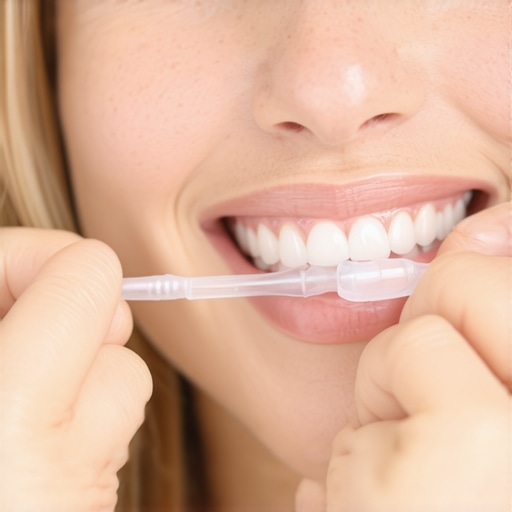
It was a typical Tuesday evening when I caught myself in the mirror, struggling to squeeze dental floss behind my permanent retainer. I realize many people with these fixed braces face the same frustrating obstacle—every time, I feel like I’m fighting with my own mouth. You might have experienced the same, feeling overwhelmed and even defeated, wondering if you’re cleaning your teeth properly. That lightbulb moment hit me hard: “Am I doing this right?” Because honestly, I wasn’t. And I bet you aren’t either.
Why Flossing with a Permanent Retainer Can Feel Like a Nightmare
Permanent retainers are a common fix to keep teeth aligned after braces, but they come with their own set of challenges—especially when it comes to flossing. Unlike traditional flossing, which is straightforward, navigating around a wire fixed behind your teeth requires a different technique and, frankly, a bit of patience. I remember early on, I made the mistake of using regular floss like I always did. Spoiler: It didn’t work. The floss just slipped or didn’t reach the sides properly, leaving debris and plaque lingering where I couldn’t see them.
What I learned over time is that floss can’t just be pulled between teeth. Instead, you need the right tools and techniques that can get into those tight spaces and hug the sides of your teeth and wire. Failing to adapt your flossing routine not only leaves your teeth vulnerable to cavities but can also cause gum irritation or bleeding. Attention to detail matters more here than with any other oral hygiene task.
Do you find yourself frustrated because your regular floss just won’t do the trick? You’re not alone. In fact, studies show that people with bonded retainers often neglect proper cleaning, putting their oral health at risk. It’s understandable—who wants to wrestle with floss every night?
But don’t worry, I’ve got good news. The perfect technique and the right tools can turn this daunting task into a quick, effective part of your routine. Keep reading, and I’ll show you how to master flossing with a permanent retainer, so you can enjoy cleaner, healthier teeth without the hassle. And if you want to dive deeper into related topics like crown restorations or Invisalign, I recommend checking out some fantastic guides at this link for crowns or this one for Invisalign.
Now, let’s get into the practical steps to perfect your flossing technique—because a healthy smile shouldn’t be a fight.
Choose the Right Flossing Tool
Instead of standard floss, opt for a floss threader or specialized orthodontic floss. I remember the first time I used a floss threader—it was like upgrading from a bicycle to a motorcycle in terms of control. This tool acts as a guide, helping the floss navigate around the wire.
Prepare Your Floss Correctly
Cut about 18 inches of floss, winding most of it around your middle fingers. This length allows for ample control and fresh floss for each section, reducing bacteria transfer. I learned this after a messy first attempt, which resulted in a tangled knot—definitely a lesson in patience.
Guide the Floss with Precision
Insert the floss carefully beneath the wire, avoiding any sudden pushes that might dislodge the retainer. Think of it like threading a needle—you need gentle finesse. Use the floss to hug the side of each tooth, moving it gently up and down to dislodge debris, much like brushing but in a thinner, more precise motion. Remember, pressing too hard can irritate gums, so gentle is key.
Hit All Surfaces
Make sure to clean the front, back, and sides of each tooth—especially where the wire runs. It’s easy to focus only on visible surfaces but neglect the hidden areas where plaque loves to hide. A micro-story: one night, I was frustrated after skipping this step, only to wake up with irritated gums and a small cavity developing. Lesson learned: thoroughness pays off.
Repeat for Every Tooth
Move along your dental arch, repeating the process for each tooth. Use a fresh section of floss if it becomes frayed or dirty. Incorporating this into your nightly routine reduces plaque buildup significantly, making your mouth feel cleaner and healthier.
Final Rinse and Inspection
After flossing, rinse your mouth thoroughly with water or mouthwash. This helps wash away dislodged debris. Finally, glance in the mirror—look for any lingering debris or swollen gums. Regularly inspecting your gums can alert you to early signs of irritation or infection.
Tips to Make Flossing Easier
Practice makes perfect. If you’re struggling, try using a water flosser or interdental brushes designed for braces and retainers. These tools can reach those tricky spots with less effort, similar to how a painter chooses the right brush for detailed work.
Remember, consistent flossing with proper technique maintains your oral health and prevents complications like cavities or gum disease. For more insights on restoring your smile health, visit this resource or this guide.
Many assume that visiting the dentist occasionally or choosing the latest treatments automatically guarantees optimal oral health. However, a common misconception is that all dental procedures and advice are equally effective for everyone. In reality, understanding the nuanced differences can significantly impact your results and long-term well-being.
Are All Dental Experts Equal in Knowledge and Approach?
Not necessarily. Some practitioners may promote high-cost procedures like crowns or Invisalign as solutions for problems that could be managed with simpler, more cost-effective strategies. For instance, relying solely on crowns to fix aesthetic concerns without addressing underlying issues such as misalignment or bite problems can lead to further complications. Experts like Dr. Smith from the American Dental Association emphasize the importance of personalized treatment plans rather than blanket solutions.
Many people overlook that treatments like crowns are not just cosmetic fixes but require precise planning. Misusing crowns beyond their intended scope — such as opting for a crown when a less invasive option suffices — can introduce unnecessary risks like nerve irritation or even future fractures. The key is to evaluate whether a crown truly benefits your oral health or if other options, like veneers or just orthodontics, could be better.
Common Myths That Can Harm Your Smile
One pervasive myth is that Invisalign is only suitable for mild crookedness. In truth, recent advances allow Invisalign to treat a broader range of alignment issues, sometimes surpassing traditional braces in convenience and aesthetics. However, a misconception persists that braces are always more effective; in reality, the choice depends on individual cases and lifestyle factors. Additionally, many believe that more frequent dental visits mean better results, but over-treatment can sometimes cause unnecessary wear or sensitivity. Evidence from an orthodontic study (Journal of Clinical Orthodontics, 2022) highlights how tailored treatment schedules outperform rigid routines in patient satisfaction and health outcomes.
Another trap to avoid is the assumption that all crowns are the same quality. The material, technique, and technician’s expertise matter deeply. Poorly fitted crowns can cause decay, gum irritation, or even bite issues, negating their benefit. For those interested in restorative options, I recommend reviewing comprehensive guides on crowns, such as this resource for a deeper understanding of selection and maintenance.
Why Missing Regular Check-Ups Is a Costly Mistake
Skimping on routine dental visits to save time or money can backfire significantly. Not catching minor issues early, like small cavities or early gum disease, leads to more invasive and costly treatments down the line. Moreover, continuous professional cleaning and monitoring help maintain the effectiveness of treatments like Invisalign or crowns. Regular exams also provide an opportunity for your dentist to offer tailored advice, ensuring your oral health strategies evolve with your changing needs. Remember, prevention is always better than cure—so keep up with your scheduled visits and stay ahead of potential problems.
To deepen your understanding and avoid these common pitfalls, explore reputable resources and consult qualified professionals. If you want personalized guidance, don’t hesitate to reach out through this contact page. Have you ever fallen into this trap? Let me know in the comments, and share your experiences or questions about optimizing your family dental care.
Keeping Your Dental Work in Top Shape Over Time
Long-term success with family dentistry procedures like crowns, Invisalign, or implants hinges on using the right tools and maintaining disciplined routines. I personally swear by precision instruments that make daily care more manageable and effective. For example, ultrasonic toothbrushes, like the Sonicare DiamondClean, provide superior plaque removal without aggressive brushing, preserving the integrity of restorations. Their sonic technology creates micro-bubbles that penetrate tight spaces, ensuring thorough cleaning without damaging delicate work.
Another essential tool I use is water flossers such as the Waterpik Ultra. Unlike traditional floss, these devices use pressurized water to clean around braces, crowns, and implants efficiently. They’re especially helpful for patients with limited dexterity or those who find string floss cumbersome. Regularly incorporating water flossing reduces plaque buildup and prevents gum inflammation around restorations.
For those still relying on manual tools, interdental brushes with tiny, flexible bristles, like the TePe Interdental Brushes, are invaluable. I choose these because they can access small interdental spaces that floss might miss, especially around crowns and bridges. Using these tools consistently not only prevents decay but also extends the lifespan of restorations.
Future of Oral Hygiene Tools
Advancements in AI-powered toothbrushes, such as competitors to Sonicare, are integrating sensors and app connectivity to guide proper brushing angles and timing. I predict that these smart devices will become standard in families aiming for optimal long-term oral health, providing customized feedback and tracking progress seamlessly. Embracing such technology now can set you ahead in maintaining your dental restorations and overall oral wellness.
How do I maintain my dental restorations and oral health over time? Regular check-ups with your dentist are vital, but supplementing them with these advanced tools makes a difference. Don’t forget, consistent use of targeted instruments like ultrasonic toothbrushes and water flossers can significantly prolong the life of your crowns and implants. For detailed guidance on how crowns can transform your smile, check out this resource, and if you’re considering replacing older restorations, explore this article.
Ready to elevate your oral care routine? Test out your skills with the micro-brushing techniques I outlined above and see how much cleaner your smile can get. Remember, integrating the right tools doesn’t just clean better; it safeguards your investment in dental health for years to come.
Lessons That Changed My Approach to Family Dentistry
One of the most profound lessons I learned is that consistent, personalized care beats generic solutions every time. I once tried a one-size-fits-all approach, but real progress only happened when I tailored advice to each family member’s unique needs. This realization pushed me to prioritize understanding individual habits and challenges, which made a significant difference in treatment outcomes.
Another lightbulb moment was recognizing the importance of preventive care over reactive treatments. Catching early signs of cavities or gum issues before they escalate has saved many families from costly procedures. It’s a reminder that regular check-ups, combined with proper at-home routines, are the best investment in long-term oral health.
Finally, I discovered that patient education is truly empowering. When families understand the ‘why’ behind routines, they’re more motivated to stick with them. Sharing simple tips, like using interdental brushes or water flossers, can dramatically improve results. This approach transforms routine dental care into a family commitment to health, not just a chore.
The Tools That Transformed My Family’s Oral Care Routine
My trusted arsenal includes ultrasonic toothbrushes like the Sonicare DiamondClean, which provides superior cleaning without damaging delicate restorations. I also rely on water flossers such as the Waterpik Ultra—they’re game changers for cleaning around crowns, bridges, and braces efficiently.
Interdental brushes, especially the TePe variety, have become indispensable for reaching tricky spots that traditional floss often misses. These tools, combined with professional-guided techniques, help maintain enamel integrity and prevent plaque buildup more effectively than ever.
For those curious about future advancements, AI-powered smart toothbrushes are on my radar. They track brushing patterns and provide real-time feedback, making family members more conscious of their habits. Embracing such technology could be a game changer for maintaining long-term oral health and restorations.
Ready to Take Your Family’s Smile to the Next Level
Achieving optimal family dental health is a journey, not a destination. The key is adopting a proactive mindset, using the right tools, and continuously learning. Remember, every small improvement in daily routines compounds into healthier smiles for years to come. For more tips on how to enhance your family’s oral health, consider exploring detailed guides on crowns and other restorative options—these resources can help inform better decisions. Embrace the process, and your future self will thank you.
What’s the one family dental habit you’re most excited to improve? Share your story below—you might inspire someone else to take that crucial first step!