
How to get your kids to brush for the full two minutes
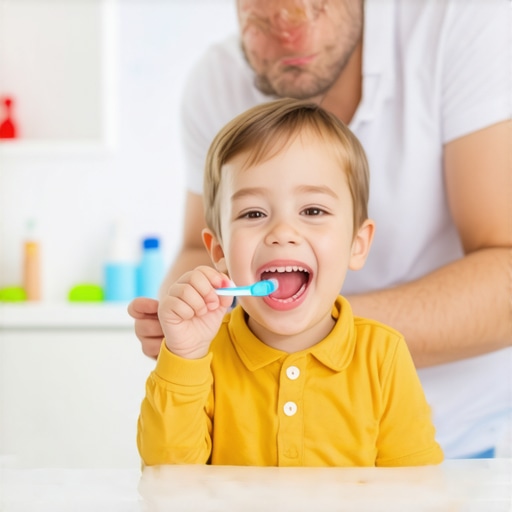
I remember the moment vividly—my child’s tiny hand gripping the toothbrush, eyes distracted, and me silently counting in my head, desperately hoping he’d hit the two-minute mark without a meltdown. It hit me then—getting kids to brush long enough isn’t just about patience; it’s about creating a routine that sticks. The struggle isn’t unique; many parents face this daily challenge, and I’ve been right there too.
Why Two Minutes of Brushing Feels Like an Impossible Mission
Kids have short attention spans, and convincing them to spend two whole minutes cleaning their teeth can seem like an uphill battle. When I first tried to enforce this, I often found myself rushing, or worse, giving up entirely before the timer even started. But the truth is, those two critical minutes are vital for cavity prevention and overall oral health. According to the CDC, proper brushing duration is key to reducing plaque and preventing future dental issues. So, how do we get our kids to stick with it?
Have You Faced This Frustration?
If you’ve ever felt like you’re pleading, bribing, or just praying that your child brushes long enough—know that you’re not alone. I made a mistake early on by assuming a quick brush was enough, only to find out later that areas remained unclean, leading to unnecessary visits to the dentist. Trust me, I’ve learned the hard way that making brushing effective and fun is possible, and I’m here to share those secrets with you.
Let’s dive into some practical strategies that transformed my family’s brushing routine—and can do the same for yours.
Set Clear, Fun Goals for Brushing Time
Start by transforming brushing from a chore into a game. For instance, challenge your child to brush until they sing their favorite song twice, ensuring the two-minute mark. I once used a colorful sand timer during our evening routine, which my son loved watching tick down—his motivation soared, and he brushed thoroughly without fuss. Making the duration visual gives kids a sense of control and sets a fun expectation.
Use Visual Timers and Rewards
Implementing a visual timer helps kids see how long they need to brush. Pair this with a reward system—stickers or extra storytime—so they associate brushing with positive outcomes. I introduced a sticker chart for my daughter: after five days of consistent two-minute brushing, she earned a small reward. The key here is consistency and celebrating progress, which reinforces the routine.
Incorporate Tech to Enhance Engagement
Modern solutions like interactive apps or smart toothbrushes make brushing interactive. Some toothbrushes connect to apps that play music or provide visual feedback, turning a mundane task into an adventure. I found that when my son used a Bluetooth-enabled toothbrush that sung a short tune once brushing was complete, he would eagerly wait for his turn, brushing diligently to the beat. These tools tap into kids’ love for technology, making oral hygiene a preferred activity.
Introduce Age-Appropriate Dental Tools
Invest in kid-friendly dental products—smaller brushes, flavored toothpaste, and even Invisalign aligners for older children. Invisalign, for instance, is often misunderstood; it looks like tough aligners but transforms the way families approach orthodontic care. For teens hesitant about braces, Invisalign is a game-changer. These options are less intimidating and encourage better compliance, helping your child develop lifelong habits.
Model Consistent Dental Habits
Children emulate their parents. If you brush twice daily and show interest in good oral health, they’re more likely to follow suit. I remember a morning when I was running late but still took a minute to brush properly; my kids watched and mimicked my thorough technique, understanding the importance of each step. Additionally, visit your family dentist regularly to reinforce routines and address emerging issues early—regular checkups detect cavity-prone areas and help prevent complex treatments like crowns or implants later on.
Plan Regular Dental Visits and Preventive Care
Consistency with professional cleanings and exams reduces the need for urgent interventions. For more insights on building a comprehensive routine, check out top oral health tips. When your child has a positive experience at the dentist, they’re more likely to cooperate during daily routines and understand the importance of maintaining oral health.
Addressing Specific Dental Concerns
Sometimes, routine isn’t enough—kids may develop cavities, misaligned teeth, or other issues. Learning about options like crowns or orthodontic solutions helps you make informed decisions. For example, crowns can be life-changing for damaged teeth and boost confidence. Find out more about how crowns improve smiles. Similarly, Invisalign offers a discreet way to correct misalignments—exploring these options early can save your family time, money, and emotional stress.
Maintain Open Communication and Patience
Encourage your children to express fears or questions about dental treatments. Being patient and informative prevents fears from escalating. I once explained to my son that his loose tooth was a sign of growing up, which made him more accepting of dental visits and treatments afterwards. Patience and clear explanations build trust, turning dental care into an empowering experience rather than a battle.
While many believe they understand the basics of family dental care, there’s a surprising amount of misconceptions and overlooked details that can significantly impact long-term oral health. For instance, a widespread myth is that crowns are only for aesthetic purposes rather than essential restorative tools. In reality, as emphasized in this comprehensive guide, crowns are vital for protecting compromised teeth and restoring functionality. Overlooking this nuance may lead patients to delay necessary treatments, risking further damage.
Another common misunderstanding involves Invisalign. Many assume it’s exclusively for mild misalignments, but recent advancements reveal its application in complex cases, often comparable to traditional braces. According to expert insights, Invisalign’s evolving technology now treats more severe dental corrections, challenging outdated beliefs.
Are Dental Crowns Just Cosmetic Fixes? Think Again
A significant oversight is underestimating the durability and protective benefits of crowns. People often view crowns as purely aesthetic enhancements but ignoring their full clinical value can lead to unnecessary tooth extraction or root canals. For a deep dive into how crowns can fundamentally improve oral health and confidence, explore this resource. Avoid the trap of undervaluing these powerful tools, and always consult your family dentist about their comprehensive benefits.
Furthermore, misconceptions about the longevity of dental treatments can cause premature replacements or neglect. For example, some believe that crowns must be replaced every few years, but proper care and timely check-ups dramatically extend their lifespan. Research indicates that with good hygiene and regular professional evaluations, crowns can last 15-25 years, sometimes even longer. Being aware of this helps in making informed decisions rather than succumbing to fears fueled by outdated info.
Lastly, advanced dental solutions like Invisalign are often misunderstood regarding their impact on lifestyle and treatment duration. While traditionally perceived as lengthy, innovations have shortened treatment times and improved comfort, making them suitable even for busy adults. To discover how modern Invisalign transforms not just smiles but family dental routines, visit this comparison.
In essence, the hidden nuance in family dentistry lies in recognizing the evolving nature of dental techniques and debunking myths that may hinder optimal care. Are you aware of all these nuances? Have you ever fallen into this trap? Let me know in the comments and share your experiences!
Keeping It Working with the Right Tools
Achieving lasting oral health requires more than just daily brushing and flossing; it demands the use of specific, high-quality tools that enhance effectiveness and promote long-term results. Personally, I rely on electric toothbrushes with oscillating-rotating motion, such as the Oral-B Genius X, because studies like those published in the Journal of Clinical Dentistry demonstrate their superior plaque removal capabilities compared to manual brushes. This technology helps ensure thorough cleaning, especially around challenging areas like crowns or braces.
In addition to choosing the right toothbrush, I recommend investing in quality interdental cleaners such as water flossers like the Waterpik WP-900. My personal experience with water flossers is that they make cleaning around crowns and Invisalign trays much more manageable, reducing plaque buildup in hard-to-reach spots and preventing periodontal issues over time. Regular use of these tools keeps your oral environment healthy and minimizes the risk of future restorative work.
How do I maintain my dental tools over time?
Proper maintenance of your dental tools extends their lifespan and maintains their effectiveness. Rinse toothbrush heads thoroughly after each use, and replace them every three months or sooner if they show signs of wear—failing to do so diminishes cleaning performance. For water flossers, descale the device at least once a month with a vinegar solution to prevent calcium buildup, which can harbor bacteria and impair function. Regularly check the battery life on your electronic tools and replace or recharge as needed to ensure consistent performance. By maintaining your tools diligently, you’re investing in better long-term outcomes, reducing the need for invasive procedures like crowns or veneers down the line.
Future Trends in Oral Care
I predict that advancements like smart Invisalign aligners and AI-powered dental apps will become standard in maintaining dental health routines. These innovations will facilitate real-time monitoring and personalized advice, making dental care more proactive and less reactive. Integrating these technologies into our daily practices will consistently improve results and reduce long-term costs.
What’s the best way to preserve your dental restoration investments?
Once you’ve invested in crowns, veneers, or Invisalign, the key to preserving these investments lies in consistent maintenance and regular professional check-ups. For instance, routine examinations allow your dentist to identify early signs of wear or issues like loose crowns, which can often be prevented from escalating into more significant problems. Proper home care, combined with scheduled visits, vastly extends the lifespan of restorations, ensuring your smile remains healthy and confident. To understand specific strategies for long-lasting results, explore this detailed guide.
Take a moment to evaluate the tools you currently use for oral hygiene. Consider upgrading to technology-backed devices, and implement a routine for their maintenance. Small investments now can lead to significant savings in future dental treatments, keeping your smile in top condition for years to come.
If you’re ready to optimize your long-term dental health, try incorporating a water flosser into your routine this week. Maintaining your tools properly is a straightforward yet powerful step toward a healthier, longer-lasting smile.
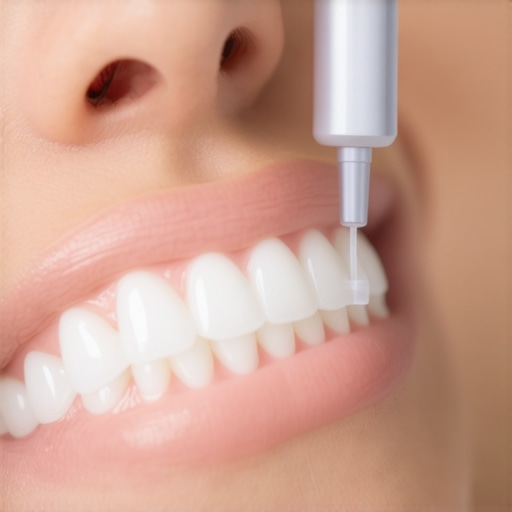
Lessons I Never Expected to Learn About Family Dentistry
One of my biggest revelations was realizing that patience alone isn’t enough—consistent routines and positive reinforcement truly transformed our dental habits. I also discovered that myths like crowns only being for aesthetics can delay essential treatments, leading to more complex issues down the line. Lastly, I learned that embracing new technologies like smart Invisalign aligners can make orthodontics less daunting and more effective, changing my perspective forever.
Tools and Resources That Elevated Our Oral Care Game
My go-to tools now include electric toothbrushes like the Oral-B Genius X, which promote thorough cleaning beyond manual effort. I’ve also become a fan of the Waterpik WP-900 for its superior reach around crowns and braces. For reliable information and inspiration, I trust these top oral health tips and latest Invisalign innovations because they keep me informed and motivated.
Your Smile’s Future Starts Today
Take inspired action now—prioritize your family’s oral health by exploring new tools, debunking old myths, and reinforcing positive routines. Remember, real transformation begins with a single step. Your family deserves the confidence that comes with a healthy, bright smile—so why not start today? How are you planning to innovate or improve your family’s dental routine this week? Share your thoughts below!