
Why your breath still smells bad after brushing and flossing
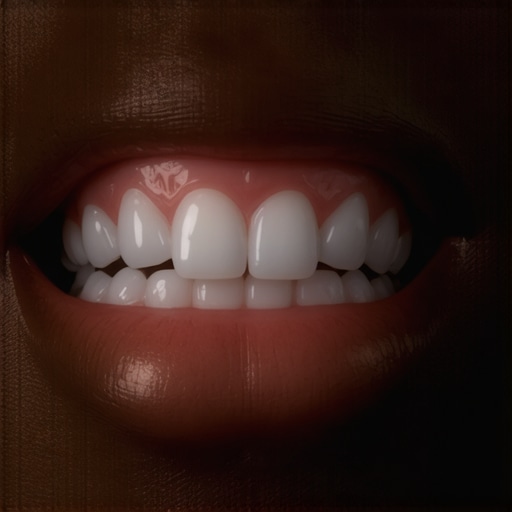
It was a morning like any other, until I caught my reflection in the mirror and suddenly wrinkled my nose. That infamous, persistent sour smell was unmistakable. I’d just finished my usual brushing and flossing, expecting fresh breath—and yet, here it was again, sneaking up on me. If you’ve ever experienced this frustration, you’re not alone. I used to think a quick brush was enough, but that lightbulb moment made me realize there’s more to fresh breath than just brushing away surface debris.
Digging Deeper Into Why Your Breath Remains OffMaster Effective Oral Hygiene Routines
Think of your mouth as a busy city; if the streets (teeth and gums) aren’t cleaned properly, traffic (bacteria) accumulates, causing unpleasant odors. Start by brushing at a 45-degree angle using a soft-bristled brush to reach every corner, similar to carving out alleyways in a maze. Make it a habit to brush for at least two minutes, covering all surfaces—front, back, and chewing surfaces.
I remember a morning when I was rushing, skipping steps, and noticed the sour smell lingered. Once I dedicated time to thorough brushing, including gentle circular motions along the gumline, the fresh scent returned. Use a fluoride toothpaste to strengthen enamel and combat bacteria effectively.
Floss with Precision and Consistency
Flossing is like maintaining city bridges—neglect causes buildup underneath, leading to foul odors and even gum disease. Slide the floss gently between teeth, curving it into a C-shape around each tooth to remove plaque that a brush can’t reach. Remember, flossing should be comfortable; if it’s painful, you’re not doing it right.
Initially, I struggled with flossing, often missing back molars. Using a floss threader and adopting a ‘zig-zag’ motion helped me cover hard-to-reach areas, making a noticeable difference in bad breath reduction and overall oral health.
Consider Professional Interventions
Sometimes, stubborn plaque or damaged teeth require expert care. Families with kids or those considering cosmetic solutions like crowns or Invisalign should consult their dentist regularly. For example, crowns not only restore tooth structure but also prevent odor-causing bacteria from settling in weakened areas. Visit this guide to learn more about crowns’ benefits in maintaining oral health.
Similarly, Invisalign can correct misalignments, making cleaning easier and reducing hidden spots where bacteria hide. Discover how modern techniques are revolutionizing family dentistry by exploring current trends.
Incorporate Mouth Rinses Effectively
Using an antimicrobial mouthwash is like deploying city patrols to patrol alleyways, reducing bacteria. Rinse after brushing and flossing, ensuring to swish for at least 30 seconds. Be cautious, though; some rinses contain alcohol or chemicals that may dry out your mouth, ironically making bad breath worse. Opt for alcohol-free options when possible, as recommended by dental professionals.
Once, I experimented with various rinses, eventually settling on a mild, fluoride-rich mouthwash. It enhanced my fresh breath and protected against cavities, especially on days when brushing isn’t possible after meals.
Watch Your Diet and Hydration
Think of your saliva as a natural cleaning crew; staying hydrated keeps this crew active. Drinking plenty of water helps wash away food particles and bacteria, preventing sour odors. Avoid excessive sugar and processed foods, which fuel bacteria growth—similar to how trash attracts pests in a city.
I learned this firsthand during a hectic week, neglecting water intake and indulging in sweets. As a result, my breath turned sour. After I increased water consumption and cut down on sugars, my breath improved dramatically.
Stay Consistent and Monitor Changes
Consistency is your best ally. Regular dental checkups help catch issues early, like potholes in city streets before they cause traffic jams. If persistent bad breath occurs despite good hygiene, consult your dentist promptly. Sometimes, underlying issues like crowns or other dental restorations may need attention—preventing odors from lingering.
For personalized advice on maintaining your smile’s freshness, reach out via our contact page. Remember, a clean mouth isn’t just about fresh breath—it’s a foundation for lifelong oral health.
What Many Dentists Won’t Tell You About Crowns and Invisalign
While crowns are often touted as reliable restorations, many people overlook the nuanced selection process required for long-term success. A frequent misconception is that any dental crown will fit and last equally, but according to studies published in the Journal of Esthetic and Restorative Dentistry, material choice and preparation precision significantly influence durability and appearance. Opting for the wrong type of crown without expert guidance can lead to issues like discoloration or even crown failure over time. It’s essential to evaluate the specific needs of your tooth and choose a specialist experienced in long-lasting crown placement.
The Hidden Pitfalls of Invisalign That No One Warns You About
Many believe Invisalign trays are a foolproof, maintenance-free solution for orthodontic correction, but this is far from reality. An often-overlooked nuance is the importance of proper wear time—less than 20 hours daily can compromise results, a detail supported by recent research in orthodontics. Additionally, small adjustments to aligner fit, such as the common trick of using chewies, are vital for effective movement. Ignoring these can result in prolonged treatment or suboptimal outcomes. Explore latest Invisalign advancements to understand how new technologies are addressing these issues.
Family Dentistry: Myths About Age and Oral Care
A prevalent myth is that children’s teeth simply outgrow poor habits, but research indicates that early neglect may have lifelong repercussions, including misalignment and decay complications. Moreover, the idea that adult dental care isn’t necessary if they have no pain is dangerous; regular checkups can prevent minor issues from becoming severe. Modern family dentistry employs innovative techniques, such as digital scans and minimally invasive procedures, which make maintenance more effective and less intimidating—learn more about such cutting-edge practices.
Are There Advanced Risks in Professional Restorations?
Yes. One advanced mistake many overlook is neglecting the impact of underlying dental conditions on restorative procedures. For example, insufficient assessment of bone density before crown placement can compromise stability, especially in patients with osteoporosis. Similarly, when selecting materials for restorations, overlooking the biocompatibility and potential allergic reactions can lead to complications, as noted in the Dental Materials Journal. Engaging with an experienced family dentist who considers these nuances ensures your restorations serve you well, not just in appearance but in function and health longevity.
Remember, understanding these hidden nuances allows you to make smarter decisions about your dental care. Have you ever fallen into this trap? Let me know in the comments, and stay proactive about your oral health by consulting professionals who prioritize these expert insights.
Maintaining your oral health over time requires not just good habits, but also the right tools and methods that ensure consistency and effectiveness. Personally, I rely on a combination of high-quality electric toothbrushes like the Philips Sonicare DiamondClean, which offers multiple brushing modes and timers built-in to guarantee thorough cleaning. Its sonic technology creates over 30,000 brush strokes per minute, breaking up plaque more effectively than manual brushing. I also incorporate an interdental cleaner, such as the Waterpik Ultra Water Flosser, which reaches tight spaces and removes debris that flossing alone might miss, especially around crowns and braces. Using these tools regularly has dramatically improved my long-term results, preventing decay and gum issues, even as I age. Additionally, I make use of professional-grade whitening pens and antimicrobial rinses recommended by my dentist to maintain freshness and reduce bacteria buildup between visits. Looking ahead, technological innovations like AI-driven toothbrushes and smart flossers are poised to make daily maintenance even smarter and more personalized.
How do I maintain my dental tools to ensure they stay effective over time?
It’s crucial to replace brush heads every three months or sooner if bristles fray—this maintains optimal cleaning efficacy. Cleaning your electric toothbrush base weekly and storing it in an open area prevents mold buildup. When using water flossers, regularly descale the device with white vinegar to prevent mineral deposits, ensuring consistent performance. Consulting your dentist about tools suitable for your specific needs, like crowns or Invisalign trays, can optimize long-term health outcomes. For instance, special interdental brushes designed for implant crowns help maintain hygiene and prevent peri-implantitis. Remember, investing in quality equipment isn’t just about convenience; it’s about making your daily routines effective and sustainable. The trend in family dentistry is heading towards integrating digital diagnostics with at-home tools, offering early detection and customized care plans—discover more about these future-ready solutions here. To really upgrade your routine, try incorporating a Waterpik Water Flosser into your daily hygiene kit, and you’ll notice a significant reduction in plaque and irritation over time.
How I Discovered the Power of Personal Observation in Oral Care
One of the most eye-opening lessons came from simply paying closer attention to my own habits and results. Early on, I realized that even with regular brushing and flossing, some days my breath still wasn’t fresh enough. That taught me to monitor what worked and what didn’t, reminding myself that effective oral health is as much about consistency as it is about technique.
The Unexpected Role of Customized Tools in My Routine
I never thought that investing in a high-quality electric toothbrush or water flosser would make a substantial difference, but it truly elevated my dental care. Personalizing my toolkit according to my needs—especially considering my family history of dental issues—taught me that tailored solutions can be game-changers in long-term health maintenance.
Secrets Dentists Might Not Tell You About Restorations
One lightbulb moment was understanding how critical material choices and precise placement are for crowns and Invisalign aligners. I learned that trusting an experienced family dentist—who emphasizes the latest techniques and quality standards—is essential to avoid future complications like discoloration or discomfort. This insight underscored the importance of choosing professionals with a holistic, detail-oriented approach.
Why Mindset Matters Just as Much as Tech in Oral Health
Finally, I discovered that cultivating a proactive mindset—viewing dental health as a lifelong journey rather than a quick fix—has been the most impactful lesson. Embracing regular checkups, staying informed, and not ignoring small discomforts prepares you to face potential issues early, saving time and money while keeping your smile bright and healthy.
Tools That Truly Elevated My Dental Care Game
For anyone serious about long-lasting oral health, I recommend exploring options like the Philips Sonicare DiamondClean for superior brushing, and the Waterpik Ultra Water Flosser for those hard-to-reach spots around crowns or braces. Professionals also suggest considering whitening pens or antimicrobial rinses—small enhancements that reinforce your routine. These tools, combined with expert advice from trusted resources like modern family dentistry practices, can lead to healthier, brighter smiles.
Remember, Your Brighter Future Starts Today
Taking charge of your oral health with awareness and the right tools transforms routines into lifelong habits. Every smile deserves care that goes beyond surface beauty—it’s about wellness, confidence, and feeling good from within. So, embrace proactive steps now and enjoy the confident, radiant smile you truly deserve.
What’s one custom tip you’ve found that makes your dental routine more effective? Share your experience below—I’d love to hear your story!