
How to clean your tongue without triggering a gag reflex

I’ll never forget the moment I realized my gag reflex was hindering more than just my dinner experience. It was during a routine brushing, and as I reached to clean my tongue, that familiar wave of discomfort and the sudden urge to gag took over. My first instinct was to give up, feeling frustrated and helpless. Sound familiar? If you’re like I was, battling to keep your tongue clean without triggering that overwhelming gag, you’re not alone.
Why Cleaning Your Tongue Without Gagging Is More Important Than You Think
When I first started focusing on my oral hygiene, I thought brushing and flossing would suffice. But soon, I learned that the tongue plays a significant role in fresh breath and overall oral health. Bacteria tend to hide on the tongue’s surface, and neglecting it can lead to bad breath and even dental health issues. According to the American Dental Association, proper tongue cleaning can reduce halitosis and bacteria by up to 70%. The problem? Most tongue cleaning methods set off that gag reflex, making the process miserable and often ineffective. That’s why finding a technique that works for you is a game-changer—and a necessity.
Will This Really Work or Is It Just Hype?
I used to believe that the only way was to gag my way through the process or avoid it altogether. But I made a mistake early on—trying to scrub my tongue with a regular toothbrush like I did my teeth, which only made things worse. Over time, I discovered that there are specific tools and gentle techniques designed to clean your tongue without setting off that reflex. Trust me, it’s possible to enjoy a fresher mouth with a little adjustment and patience. Curious? Keep reading as I share simple, proven steps to conquer the gag reflex and make tongue cleaning a quick, painless part of your routine. If you’re eager to improve your oral health, don’t hesitate to explore other family-friendly tips, like [family dentistry trends](https://familydentistpro.com/family-dentistry-trends-improving-oral-health-for-all-ages), or contact your local dentist for personalized advice [here](https://familydentistpro.com/contact-us-2). Now, let’s dive into how you can turn this challenge around.
Pick the Right Tool for Less Gagging
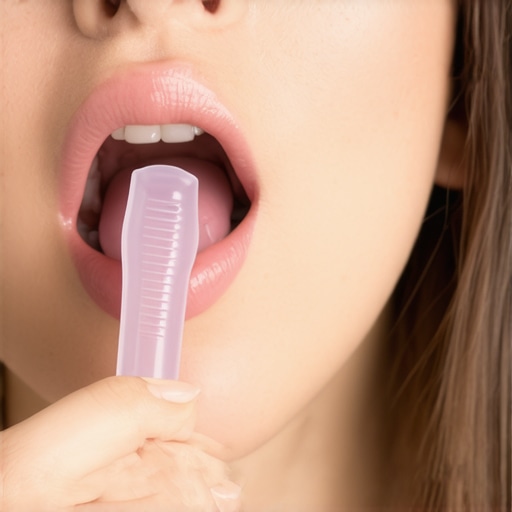
During my own struggles, I discovered that using a dedicated tongue scraper made all the difference. Unlike a toothbrush, which can be too stiff and trigger gag reflexes, a silicone or plastic scraper gently glides across the tongue’s surface. I still remember the first time I used a curved, ergonomic tongue scraper; initially messy, I accidentally pressed too hard, causing a slight gag, but after adjusting my pressure and angle, I found it surprisingly painless. These tools are designed to reach deep without causing discomfort, making daily cleaning easier and more effective.
Master Gentle Technique and Breathing
Slow and Steady Wins
Next, I learned that rushing or pressing too hard intensifies the gag reflex. Instead, I started practicing slow, controlled strokes—imagine gently removing debris with a feather—this tip significantly reduced my gagging episodes. Breathing deeply through my nose helped relax the gag reflex even further, making the process calmer. Remember, it’s about quality over speed; patience transforms this chore into a manageable routine.
Use Distraction Strategies
Another trick I implemented was distraction. I would engage in counting silently or focus on relaxing my jaw muscles. Once, I even listened to my favorite podcast while cleaning my tongue. This mental shift eased the physical discomfort, turning a dreaded task into something more tolerable. Combining these practices gradually increased my comfort level over time.
Progressively Increase Reach
I didn’t expect to clean my entire tongue surface perfectly at first. Instead, I started by gently scraping just the front part, then gradually moved toward the back over days. This incremental approach prevented overwhelming my gag reflex and built confidence. I also found that rinsing my mouth with water or mouthwash between passes cleared debris and made subsequent strokes smoother, reducing hit-or-miss discomfort.
Adopt Supportive Oral Hygiene Habits
Complementing tongue scraping with proper oral routines enhances overall health. Brushing teeth thoroughly, flossing, and using mouthwash reduces bacteria, making tongue cleaning less urgent and less likely to trigger gagging caused by oral debris or bad taste. For specific issues like sensitive gums or crowns, consult your dentist for tailored advice—many practices, like those discussed in crowns, can influence your cleaning technique.
Incorporate Relaxation and Habit-Building
Consistency is key. I committed to a daily routine, even if initially uncomfortable. Over weeks, my gag reflex desensitized slightly; the process became quicker and less stressful. Remember, your body adapts with persistence. Tracking your progress can boost motivation, and over time, tongue cleaning can become a painless, integral part of your oral hygiene.
 Many people believe that Invisalign is just a modern alternative to braces, but the truth runs much deeper. While popular narratives emphasize its convenience, few realize that improper usage or misconceptions about its capabilities can lead to long-term dental issues. For instance, some assume Invisalign aligns teeth perfectly without considering the importance of accompanying oral health routines, which can backfire. Studies, like those published in the Journal of Dental Research, illustrate that neglecting routine checkups or proper cleaning can compromise even the most advanced aligner treatments.
Are Invisalign trays causing subtle damage that you’re overlooking?
One common myth is that Invisalign’s clear design makes it less intrusive or damaging. But improper wear—like delaying replacements or skipping cleaning—can lead to plaque buildup or even gum recession. That’s why consulting with a dental professional—rather than just following online advice—is essential. Furthermore, many underestimate the role of comprehensive care; for example, needing crowns or addressing underlying decay can jeopardize the success of orthodontic treatment. Visiting your dentist regularly ensures these nuances are managed effectively. When considering crowns, many think they’re purely cosmetic, but their material choice dramatically affects longevity and health. It’s crucial to understand the differences between porcelain, ceramic, and composite options, which can be found in the ultimate crown guide. Also, many assume that family dentistry is only about routine cleanings, yet it encompasses advanced diagnostics and personalized care plans that prevent minor issues from escalating. By prioritizing these nuanced aspects, you safeguard your oral health over the long term. Don’t fall into the trap of thinking all dental treatments are one-size-fits-all; each patient’s needs are unique and require expert assessment. If you’re curious about the future of family dentistry and technological advances, explore the latest trends in family dentistry—staying informed is key. To truly optimize your dental health, understanding these subtleties ensures you’re making informed decisions rather than succumbing to misconceptions. Have you ever fallen into this trap? Let me know in the comments.
Once you’ve achieved your desired smile with Invisalign, crowns, or other family dentistry procedures, maintaining their effectiveness over time becomes paramount.
Reflecting on my own experiences with invisalign, crowns, and family dentistry revealed that the most valuable lessons often come from unexpected places. Embracing patience, staying informed beyond popular myths, and trusting your dental professional are the real keys to success. Remember, your oral health is a lifelong journey, and every step offers an opportunity to learn and grow.
Lessons That Changed My Dental Approach
– I realized that rushing through treatments like Invisalign without understanding their intricacies can cause setbacks. Taking the time to learn about each step transformed my confidence and results. Dive into comprehensive guides, such as this crown guide for a deeper understanding.
– Trusting but verifying is crucial. I used to rely solely on my dentist’s advice but discovered that asking questions and seeking second opinions enhanced my treatment outcomes. Learning about emerging trends in family dentistry innovations kept me ahead of potential issues.
– I found that habits like diligent cleaning with proper tools and relaxation techniques make a significant difference. Small adjustments, such as incorporating tongue scraping into my routine or practicing deep breathing, reduced discomfort and improved overall health. Remember, every detail counts when maintaining your smile.
Explore Tools and Ideas That Elevated My Smile
– My go-to resource has been comprehensive Invisalign insights, which demystify the treatment’s benefits and pitfalls. Equally, comparing Invisalign and braces helped me choose what truly fits my lifestyle.
– For crowns and restorations, I trust this detailed overview that explains materials and longevity, ensuring my smile stays strong and natural-looking.
– Staying ahead means being curious. Regularly reviewing the latest oral health tips and technological advances empowers me to make informed decisions and stick with routines that truly work.
Ignite Your Confidence and Take Charge Today
Your dental health is a personal story filled with lessons, discoveries, and growth. Whether you’re considering Invisalign, crowns, or simply refining your family’s oral care routine, remember that every effort adds up. Embrace the journey, stay curious, and work closely with your dental team—your future self will thank you.
What’s been your biggest insight or breakthrough in managing your oral health? Share below—your story might inspire others to take that first empowering step.