
The real reason your mouth feels sticky in the morning
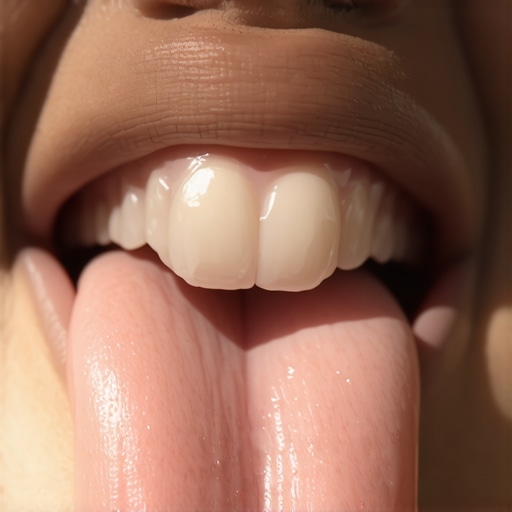
I remember waking up one morning, frustrated by that thick, glue-like film coating my tongue and teeth. No matter how much I brushed or rinsed, that sticky feeling lingered. It was subtle but persistent enough to ruin my morning mood, making me wonder if I just needed a stronger mouthwash or if something more serious was at play. After digging into my own habits and consulting with family dentist experts, I discovered that this common issue isn’t just about poor hygiene—there are underlying reasons many of us overlook.
The Surprising Reasons Behind Morning Mouth Sticky-ness
This phenomenon can seem trivial at first, but it’s often a sign of deeper health or behavioral factors. For example, dehydration especially during sleep is a frequent culprit. When you’re not drinking enough water, your saliva production decreases, leading to a dry, sticky mouth come morning. Interestingly, a study published in the Journal of Dental Research highlights how dehydration can significantly affect oral health, making saliva less effective in neutralizing acids and washing away bacteria.
Another common reason is mouth breathing. If you sleep with your mouth open—perhaps due to nasal congestion or sleep apnea—you rush air over your oral tissues, drying them out and causing that unpleasant film. This isn’t something to ignore; chronic mouth breathing can lead to other dental issues, including misaligned teeth and increased cavity risk. Plus, it can be a sign of underlying issues needing attention.
Diet and habits also play a role. Consuming sugary drinks or alcohol before bed can promote bacterial growth while you sleep, creating a coating by morning. Similarly, some medications have dry mouth as a side effect, which might contribute to the problem. Recognizing these factors helps us take preventative steps rather than just dealing with the symptom.
But it’s not all bad news. Many of these causes are simple to address once you know what’s behind them. Creating good habits—like staying hydrated, maintaining nasal health, and reviewing medications with your doctor—can dramatically improve morning mouth freshness. And if you’re curious about specific dental solutions that tackle these issues comprehensively, exploring options like Invisalign or crowns can also support overall oral health. Want a quick link? Check out [the benefits of Invisalign for family dentistry in 2025](https://familydentistpro.com/the-hidden-benefits-of-invisalign-for-family-dental-care-in-2025-at-903-am) to see how modern treatments are making dental care more effective than ever.
Are you tired of waking up to that sticky, gross feeling? You’re not alone, and the good news is that you don’t have to accept it as normal. In the next section, I’ll share practical tips and proven strategies to help eliminate that morning film and start your day fresh. Let’s get your mouth feeling clean and comfortable—so you can face the world with confidence.
Prioritize Hydration for a Fresh Start
Start your day with a glass of water to stimulate saliva production, which naturally cleanses your mouth. I once set a reminder to drink water right after waking up, and after a week, I noticed a significant reduction in morning stickiness. Keep a water bottle by your bed for easy access during midnight thirst.
Address Breathing Habits Clearly
If you suspect mouth breathing, consult a family dentistry expert to explore solutions like nasal strips or treatment for nasal congestion. I had a friend who used nasal strips nightly, which kept her mouth closed during sleep, drastically decreasing dryness and coating in the morning.
Adjust Diet and Medication Intake
Avoid sugary or alcohol-heavy drinks before bedtime. I switched to herbal teas and noticed my mornings became less coated and sticky. Review your medications with your doctor, as some can cause dry mouth—an issue manageable with proper adjustments and saliva substitutes.
Incorporate Regular Dental Hygiene Practices
Brush thoroughly and floss each night, paying special attention to the gumline. I once neglected flossing near a crown, which led to buildup and increased morning coating. Using interdental brushes can help reach tricky spots, improving overall oral cleanliness.
Use Modern Dental Tools to Enhance Results
Consider treatments like Invisalign to correct bite issues contributing to mouth dryness or uneven saliva flow. See how [Invisalign transforms family dentistry](https://familydentistpro.com/how-invisalign-transforms-family-dentistry-in-2025) for a comprehensive approach to oral health, especially for those with misaligned teeth that can trap bacteria and exacerbate coating problems.
Consult a Professional for Long-Term Solutions
Persistent issues might require restorative procedures like crowns. They act as protective covers that prevent bacterial buildup under damaged or vulnerable teeth, akin to how a sturdy roof shields a house from rain. Check out [crowns and their benefits](https://familydentistpro.com/why-crowns-are-a-game-changer-in-restorative-dentistry) for more insights.
Dedicate Time to Routine Care and Monitoring
Establish a nightly routine that includes brushing, flossing, and possibly using saliva-enhancing products. I set a reminder on my phone to double-check my routine, which helped me keep consistent habits. Regular visits to your family dentist ensure ongoing assessment and tailored advice, making the path to a healthy, fresh mouth smoother.
Many people assume that getting a dental crown or opting for Invisalign is a straightforward process, but there’s more beneath the surface that many overlook. One prevalent misconception is that all crowns are created equal; however, the choice of material—porcelain, gold, or ceramic—significantly impacts durability and aesthetics. For instance, crowns made of porcelain fused to metal are durable but can sometimes show a dark line at the gumline, which many patients find undesirable. It’s crucial to consult with a specialist who can recommend the best type based on your unique needs, as detailed in [why crowns are a game-changer](https://familydentistpro.com/why-crowns-are-a-game-changer-in-restorative-dentistry).
Why does everyone obsess over Invisalign but ignore other essential aspects of oral health? Let’s dig deeper.Maintaining your dental crowns and Invisalign treatments requires more than just good brushing; it demands the right tools and routines. Personally, I swear by a **water flosser** like the Oral-B Water Floss to effectively clean around crowns and braces, reducing plaque buildup that can cause long-term damage. Its pulsating jet reaches tricky areas, especially beneath bridges or around implants, where traditional floss struggles. To ensure your restorations last, regularly inspect your appliances for signs of wear using a mirror with good lighting—I’ve found that catching small issues early prevents costly repairs or replacements later. For maintenance reviews, I rely on digital dental apps such as myDentalCare, which helps track routine tasks and alerts me to upcoming check-ups, making it easier to stay proactive. Going forward, I predict the integration of AI-driven dental monitoring devices will revolutionize how we care for restorations, providing real-time feedback on oral health. This tech will likely become commonplace, empowering patients to avoid damage before it happens.
### How do I keep my crowns and Invisalign treatments working well over time?
Start by using specialized cleaning tools like interdental brushes and sonic toothbrushes. The Philips Sonicare FlexCare+ has proven effective for me in maintaining gentle yet thorough cleaning, especially around delicate restorations. It’s essential to adhere to your dentist’s instructions for routine care, including avoiding hard foods that might chip crowns or dislodge Invisalign trays. Additionally, regular professional checkups ensure that your restorations stay in optimal condition—think of it as a health tune-up for your mouth. For long-term results, consider protective measures like bite guards if you grind at night, which I personally use and recommend. Remember, proper maintenance extends the lifespan of your dental investments, saving you money and discomfort.
In fact, choosing the right tools and following disciplined routines can mean the difference between a restoration that lasts a decade or one that requires early replacement. For expert advice tailored to your specific needs, check out [Choosing the Right Crown: Expert Advice for Long-Lasting Results](https://familydentistpro.com/choosing-the-right-crown-expert-advice-for-long-lasting-results). Don’t forget, consistent check-ups and adopting a comprehensive oral health toolkit are key; try incorporating an ultrasonic scaler into your cleaning routine for advanced plaque removal. It’s a game-changer in maintaining both crowns and real teeth, ensuring your smile remains healthy and beautiful for years to come. 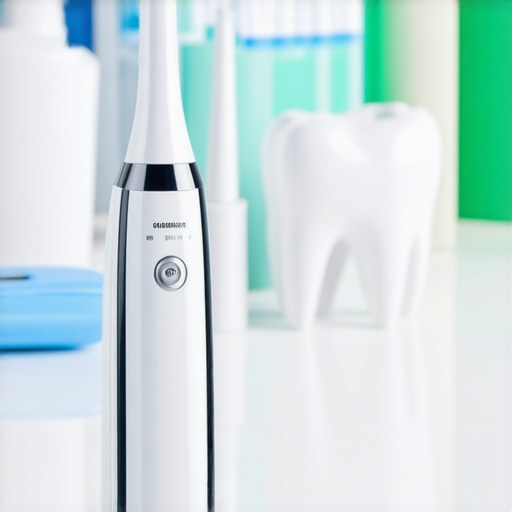
The Hardest Lesson I Learned About Crowns, Oral Health, Family Dentistry, and Invisalign
One major realization was realizing how much patience and education are vital in navigating dental treatments. I once thought I could just pick the prettiest crown, but understanding the materials and long-term health impacts made me choose wiser. Similarly, I underestimated the importance of aligning my bite with Invisalign; it wasn’t just about aesthetics but also about preventing future issues like TMJ.
Another lesson was recognizing that dental care isn’t only about fixing problems but actively maintaining and preventing them. Regular check-ups with a knowledgeable family dentist helped me catch small issues before they became costly repairs. The hidden gem was adopting modern tools like water flossers, which made my routine more effective and less daunting.
Lastly, I learned that investing in my oral health is an act of self-respect. Small daily habits—like proper brushing techniques, hydration, and choosing the right dental products—compound over time into a healthier, happier smile. Combining professional treatments with daily mindfulness transformed my outlook on dental wellness.
Navigate Your Dental Future with Trusted Resources
- Family Dentistry Trends: [Top oral health tips for your family’s bright smiles](https://familydentistpro.com/top-oral-health-tips-for-your-familys-bright-smiles) offers insights into modern techniques and preventive care—my go-to for staying proactive.
- Invisalign Innovations: [How Invisalign transforms family dentistry](https://familydentistpro.com/how-invisalign-transforms-family-dentistry-in-2025) opened my eyes to cutting-edge solutions that blend comfort with efficiency.
- Restorative Wisdom: [Crowns and their benefits](https://familydentistpro.com/why-crowns-are-a-game-changer-in-restorative-dentistry) provided clarity on material choices and long-term durability, guiding my decisions on restorative work.
Your Smile’s Bright Future Is Within Reach
Taking charge of your oral health isn’t just a routine—it’s an empowering journey that reflects your care for yourself. Whether you’re considering crowns, Invisalign, or simply want to improve daily habits, remember that every small step contributes to a confident, radiant smile. The future of family dentistry is about personalized, tech-enhanced care—so don’t wait to make your move.
What’s one change you’re excited to try in your dental routine? Share your thoughts below—I’d love to hear your story!