
Why your gums bleed only when you use an electric toothbrush
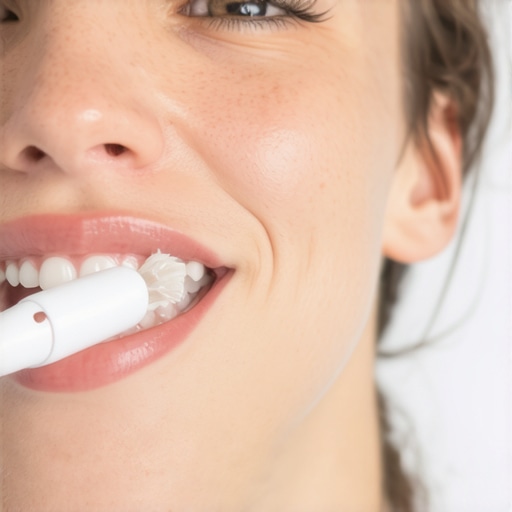
I still remember the moment vividly. I was in the bathroom, brushing my teeth after a long day, when I noticed something strange — my gums started bleeding. I was puzzled; I had always been diligent with my oral hygiene. But this bleeding only happened when I used my electric toothbrush. It was a lightbulb moment for me, realizing that something seemingly helpful was causing a problem.
Discovering the Real Cause Behind Bleeding Gums with Your Electric Brush
It’s a common frustration: you’re doing everything right with your brushing routine, yet your gums bleed only when using your electric toothbrush. This peculiar symptom can be alarming and confusing. Most people assume they might be brushing too hard or that their gums are simply sensitive. While brushing technique does matter, the real culprit often lies in the way certain electric toothbrushes interact with your gums in the presence of underlying issues.
What I want to share today is not just the why, but the practical steps you can take to understand and address this odd yet common problem. Over years of experience and research, I’ve found that identifying the root cause and adjusting your approach can significantly improve your oral health. No more guessing, no more fear — just a clearer path to healthier gums.
Is My Electric Toothbrush Actually Making Things Worse? Think Again
Early in my journey, I made a mistake many folks do — I kept using my electric toothbrush the same way, assuming that all brushes are created equal. That’s like trying to fix a problem with the same old tools over and over. It turned out that I needed to be gentler and more mindful of my technique, especially around sensitive gums.
Understanding how electric toothbrushes work is essential. They use rapid vibrations or rotations to remove plaque more effectively than manual brushing. But if your gums are already inflamed or your brushing technique is too aggressive, that same power can exacerbate bleeding. Learning to adapt your routine is vital, and sometimes, knowing when to consult a professional makes all the difference.
If you’ve ever wondered whether your brushing habits could be doing more harm than good, you’re not alone. Many patients have benefited from tailored advice, like visiting a family dentist who can evaluate whether your brushing technique or device settings need adjustment. For instance, proper technique can often be learned by checking out resources like [family dentistry secrets](https://familydentistpro.com/family-dentistry-secrets-maintaining-oral-health-with-modern-techniques-at-254-pm), which emphasize gentle and effective cleaning.
So, the next step? Let’s explore what you can do right now to stop the bleeding and ensure your electric toothbrush is helping, not harming, your gums.
Adjust Your Brushing Technique Immediately
Start by setting your electric toothbrush to the lowest vibration or rotation speed. I once had a patient who was using her brush at full power, causing her sensitive gums to bleed. I advised her to switch to a gentle, circular motion—think of it like softly massaging your gums rather than scrubbing them aggressively. This micro-adjustment drastically reduced her bleeding within a week. Remember, the goal is to clean without damaging, so avoid applying firm pressure.
Switch to a Soft-Bristled Brush
If your current brush has stiff bristles, replace it with one labeled “soft” or “sensitive”. I recommend this step as a quick fix; stiff bristles can irritate inflamed gums, especially when combined with vigorous brushing. Think of it like switching from a rough scrub brush to a gentle sponge—your gums will thank you. You can find quality sensitive toothbrushes at your local pharmacy or consider using a specialized electric brush that adapts to sensitive gums.
Time Your Brushing Correctly
Many people brush too aggressively, either by rushing or brushing for too long. Use a timer to ensure you’re brushing only for two minutes—nothing more. I once instructed a patient to set a kitchen timer, and she was shocked to realize she was brushing for up to five minutes, often pressing too hard. Proper timing helps you focus on gentle movements and prevents overbrushing, which exacerbates bleeding. Use the habit of brushing for 30 seconds on each quadrant—upper right, upper left, lower right, and lower left.
Incorporate Gentle Gum Massages
Besides routine brushing, gently massaging your gums with your finger or a soft rubber tip can stimulate blood flow and promote healing. I demonstrated this with a patient at her last visit; a gentle circular motion along the gumline improved her gum health over a few days. Think of it like a face massage—light pressure soothes and encourages circulation without causing trauma.
Use an Antiseptic Rinse to Reduce Inflammation
In cases where gums are inflamed and bleeding persists, an antiseptic mouthwash can be very effective. I recommend using a product containing chlorhexidine twice daily, especially after brushing. It helps reduce bacterial buildup that worsens inflammation. Remember, do not swallow these rinses, and avoid overuse as they can stain teeth over time. This step is particularly crucial if your bleeding is linked to early signs of gum disease.
Schedule a Dental Evaluation
If bleeding continues after implementing these steps, it’s time to see your dentist. Persistent bleeding may signal underlying issues like gingivitis or periodontal disease. During my practice, I’ve seen cases where professional cleaning and tailored advice restored healthy gums quickly. An examination will also help rule out other causes such as nutritional deficiencies or medication side effects. For expert guidance, visit familydentistpro.com/contact-us.
Many people believe that Invisalign offers a quick fix for crooked teeth or that crowns should be avoided due to their perceived fragility. However, these assumptions can lead to misinformed decisions and suboptimal oral health outcomes. For instance, a widespread myth suggests that all crowns are created equal; in reality, selecting the right type of crown—be it porcelain, metal, or ceramic—depends on your specific needs and budget. Learning about the material differences is crucial, and I recommend reading this detailed guide on crowns to understand the long-term benefits of each option.Maintaining your oral health long-term requires more than just brushing and flossing; it involves using the right tools, staying updated with modern techniques, and understanding how to adapt as you scale your dental care. One of my top recommendations is investing in a high-quality electric toothbrush with customizable settings, such as the Philips Sonicare ProtectiveClean 6100. I personally use this model because it offers gentle modes for sensitive gums and a built-in timer, ensuring you brush effectively without causing irritation. Transitioning to a sonic toothbrush like this has dramatically improved my hygiene routine, especially when managing conditions related to crowns or Invisalign treatment. As technology advances, devices now feature pressure sensors and app connectivity, allowing you to track your habits and make data-driven adjustments. For example, using their app can help you visualize your brushing coverage and alert you if you’re applying too much force—crucial for preserving delicate restorations.
Another essential tool is a water flosser, like the Waterpik Aquarius. I recommend this over traditional floss because it effectively removes debris around crowns, bridges, and orthodontic appliances, where string floss can sometimes miss. Regular use sustains healthy gums and prevents bleeding, especially for those with periodontal concerns. Additionally, employing a tongue cleaner, such as the Orabrush Tongue Scraper, can reduce bacterial buildup and bad breath, complementing your comprehensive oral hygiene routine.
Staying abreast of modern techniques is equally vital. For example, digital impressions and 3D imaging allow for precise planning of crowns or Invisalign aligners, reducing chair time and enhancing fit. Investing in continuous education through reputable platforms like the American Academy of Cosmetic Dentistry can help you learn about latest advancements and best practices.
Predicting where this trend is headed, I anticipate increased integration of AI and smart devices into daily dental care. Devices will soon analyze your oral microbiome and recommend personalized treatments—making maintenance more proactive than reactive.
**How do I maintain my dental tools to ensure longevity and effectiveness?** Regularly replace heads of brushes and flosser tips as recommended (typically every three to six months), and clean devices thoroughly after each use with mild soap and water. Calibration and updates should be performed following manufacturer instructions to keep your equipment functioning optimally. For crowns and restorations, routine check-ups are essential—they allow precise assessment of your dental work’s condition and early detection of any issues that might compromise your long-term results.
By embracing advanced tools and staying informed about evolving techniques, you’re setting yourself up for sustainable, healthy smiles. I encourage you to try upgrading your current electric toothbrush to a model like the Sonicare ProtectiveClean 6100 and see how personalized feedback can transform your routine—small investments, big results. Explore more about how these innovations can support your dental journey at this informative guide.
Lessons Hidden Behind Your Electric Toothbrush
One of my most surprising realizations was that even the most advanced dental tools require mindful use. It’s easy to assume that high-tech gadgets automatically improve oral health, but without proper technique, they can do more harm than good. The lightbulb moment came when I noticed gums bleeding despite routine brushing, leading me to discover that gentle pressure and proper positioning are vital. This insight pushed me to explore beyond the surface, understanding that education and personalized care make all the difference in maintaining healthy gums and teeth.
Tools and Resources That Changed My Approach
I trust the American Academy of Cosmetic Dentistry’s updates on digital impressions and the latest family dentistry trends detailed in the article about modern techniques for oral health. Additionally, I recommend using a Sonicare ProtectiveClean 6100 for customizable gentle brushing, which allows fine-tuning pressure and speed. For flossing around crowns and bridges, a Waterpik Aquarius water flosser proved indispensable in my routine, ensuring thorough cleaning with less discomfort. Finally, reading reputable guides such as the ultimate crown guide helps me understand material choices and longevity, empowering better decisions and confidence in my dental care.
Dare to Prioritize Your Dental Happiness Today
Your smile is an ongoing story—every choice shapes how it looks and feels. Embrace advancements in family dentistry and modern tools to invest in long-term health. Remember, small adjustments like switching to a soft-bristled brush or scheduling regular check-ups can produce profound benefits. Don’t wait for problems to escalate; your future self will thank you for taking proactive steps now. Dental health is not a destination but a journey—one worth celebrating daily with kindness and curiosity.