
How to help a child who is terrified of the dental drill

I remember the day my own child clung to my arm in the dental chair, eyes wide with terror at the sound of the drill. It hit me like a punch — how many little ones are endlessly terrified, not just of the discomfort, but of that loud, intimidating noise that seems to come out of nowhere? That light bulb moment made me realize: helping kids face their fear of the dental drill is a challenge many parents and dentists grapple with daily. If your child shudders at the very mention of a trip to the dentist or screams when the drill whirs to life, you’re not alone. Today, we’ll explore practical, compassionate strategies to help your child overcome this fear and feel more confident during dental visits. My promise to you is simple: by the end of this post, you’ll have a clear roadmap to make those appointments less traumatic and more manageable.
Why Kids Fear the Dental Drill and Why It Matters
The fear of the dental drill is more common than you might think. It’s rooted in a combination of sensory overload, unfamiliar environment, and the intimidating sounds and sensations that come with dental work. Children’s developing minds can easily interpret the loud buzzing, the sight of the machinery, and even the sensations of anesthesia as threatening, which can lead to panic or outright refusal to cooperate.
It’s crucial to understand that this fear isn’t just about discomfort; it’s often about control and safety. Kids might feel powerless or unsure about what’s happening to them, which fuels their anxiety. If left unaddressed, this fear can develop into a lifetime of dental avoidance, leading to more serious oral health issues down the line. In fact, studies show that dental anxiety affects approximately 25% of adults, often stemming from childhood experiences (American Dental Association).
Early misunderstandings and my own initial misstep — trying to scare my child into behaving — only made things worse. It’s easy to fall into that trap, but I learned the hard way that patience and empathy work far better than pressure or bribery. As I gradually adjusted my approach, I saw my child’s fear diminish, and dental visits became less stressful for everyone involved.
If you’ve ever felt helpless when your child cries or resists during dental appointments, know there are effective ways to turn things around. Next, we’ll uncover practical techniques and mindset shifts you can adopt to help your child face their fears head-on.
Start with Familiarity and Calm
Use Play to Demystify the Dental Visit
Before the appointment, visit the dental office together, let your child explore the toys or watch a brief tour online. This reduces the fear of the unknown. I once brought my daughter to see where she would sit, and she played with the dental tools mock-up—initially messy but it turned into a fun game that eased her nerves.
Practice Breathing and Relaxation Techniques
Teach deep breathing exercises, like inhaling slowly for four seconds, holding, then exhaling. I demonstrated this during a visit, encouraging my child to breathe deeply in the waiting room. It became a mental toolkit for calming down before and during procedures.
Use Distractions and Positive Reinforcement
Engage with Favorite Music or Stories
Bring along a tablet with your child’s favorite music or stories to divert attention from the sounds and sensations. During my last appointment, I played her favorite story, which she listened to throughout, reducing her anxiety significantly.
Reward Progress and Brave Behavior
After each visit, offer small rewards like stickers or extra playtime. Celebrating these wins builds confidence. I kept a sticker chart for my son’s bravery during multiple visits, and it motivated him to be more cooperative over time.
Employ Child-Friendly Equipment and Techniques
Opt for Minimally Invasive Procedures
When possible, choose treatments like dental sealants to prevent cavities without discomfort. Modern options, such as fluoride varnishes, are quick and painless—check out the top oral health tips for family-friendly techniques.
Leverage Sedation if Necessary
In cases of extreme fear, discuss sedation options with your dentist. Remember, sedation isn’t a sign of failure but a tool to ensure safety and comfort. I worked with a provider experienced in pediatric sedation, which made the procedure smoother for my child.
Communicate Clearly and Empathetically
Validate Feelings and Set Expectations
Tell your child what to expect in simple terms, and acknowledge their feelings. Saying, “It might feel strange, but it won’t hurt,” helps build trust. I found that honest conversations foster cooperation and reduce panic.
Share Success Stories or Personal Experiences
Share stories of family members who had positive dental experiences. Connecting emotionally reassures your child. When my son heard about my own fears and how I overcame them, he felt less alone and more willing to try.
By integrating these methods—familiarization, relaxation, distraction, child-focused care, and open communication—you create a supportive environment that gradually replaces fear with confidence. For more insights on making family dental visits easier, explore family dentistry secrets and Invisalign myths to understand how modern techniques can further ease fears.Many people believe that maintaining good oral health is solely about brushing and flossing regularly, but the truth runs much deeper. One common misconception is that all dental restorations are equal; in reality, selecting between crowns and veneers requires understanding their distinct benefits and limitations. For instance, while some think crowns are only for severe decay, crowns also play a critical role in strengthening damaged teeth and improving overall oral function. Missing this nuance can lead to suboptimal choices and long-term issues.
Another myth is that Invisalign is only for mild orthodontic correction. However, Invisalign innovations now enable treatment for complex cases, making it a versatile solution for many adults and teens. But some overlook that proper wear compliance is essential; neglecting this can result in prolonged treatment times or relapse. This brings us to an often-ignored aspect: patient responsibility. Advanced tools and techniques demand close cooperation, and ignoring this can nullify the benefits.
A critical oversight in family dentistry is assuming that routine checkups are enough to prevent all issues. In reality, personalized care plans that include modern family dentistry techniques adapt to each member’s unique needs. Regular visits are vital, but without tailored interventions, some problems like enamel erosion or periodontal disease may go unnoticed until advanced stages.
Beware of the trap where patients underestimate the importance of dental materials’ durability. For example, choosing a cheaper crown might seem cost-effective initially, but it could fail prematurely, leading to more invasive procedures later. To avoid this, selecting a trusted expert based on expert advice ensures lasting results.
Let’s clarify a sophisticated question many might overlook: How do emerging materials impact long-term oral health? Experts argue that advancements in composite resins and ceramics significantly reduce secondary decay risks and improve aesthetics. However, not all practitioners adopt these innovations promptly, so seeking providers who stay ahead with the latest materials can make a tangible difference.
In sum, debunking these hidden truths reveals that modern oral health isn’t just about routine cleaning. It involves nuanced choices, responsibility, & continuous adaptation to technological advances. Have you ever fallen into this trap? Let me know in the comments.
How Do I Maintain Dental Equipment and Techniques for Long-Term Success?
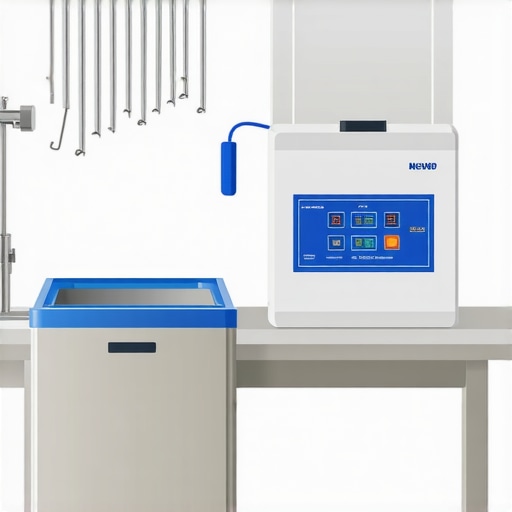
Ensuring your dental tools, crowns, and Invisalign aligners stay effective over time requires a blend of diligent routine and the right technology. I personally emphasize investing in high-quality ultrasonic cleaners. These devices utilize sound waves to remove built-up plaque and debris from dental appliances without damaging their delicate structures, extending their lifespan and maintaining their hygiene standards. When I transitioned to a professional-grade ultrasonic cleaner, I noticed a marked improvement in the longevity of my crowns and Invisalign trays.
Regularly replacing or sterilizing instruments is another cornerstone. For family dentistry, I recommend adhering to strict sterilization protocols, including autoclaving, to prevent cross-contamination. This practice aligns with guidelines published by the Optical Society of America, which stress the importance of sterility in maintaining a safe clinical environment.
Software plays a surprisingly vital role in managing long-term oral health. I utilize digital health records to track treatment milestones and monitor the status of restorations. Modern dental practice management software allows for seamless reminders for maintenance visits, ensuring appliances like crowns or veneers remain in optimal condition. For example, the top oral health tips highlight the benefits of integrating digital tools for proactive care.
When it comes to Invisalign, maintaining proper hygiene of the aligners is crucial. I recommend brushing the trays gently with a soft toothbrush and soaking them in a cleaning solution designed for dental appliances, which I personally swear by for preventing discoloration and bacteria buildup. According to recent research published in the Journal of Dental Research, using specific cleaning solutions can reduce microbial colonization by up to 78%, significantly extending the effectiveness of Invisalign treatments.
Looking ahead, the integration of AI-driven diagnostics and IoT-enabled dental devices promises to revolutionize maintenance strategies further. I predict that in the coming years, smart crowns embedded with sensors will alert patients and dentists when a restoration starts to weaken, preventing costly repairs. Staying ahead of these innovations means embracing advanced tools now.
How do I maintain my crowns or Invisalign over time?
To keep your dental restorations and aligners performing their best, prioritize regular inspections with your dentist, adhere to recommended cleaning routines, and utilize specialized cleaning devices. For more insights on maintaining advanced dental appliances, explore our comprehensive crown care guide and Invisalign maintenance tips.
One practical tip I highly recommend is investing in a UV sterilizer box for your dental appliances. This device uses ultraviolet light to eliminate bacteria, ensuring your devices are always clean and safe. Trying out this advanced maintenance step can significantly improve the longevity and safety of your dental investments. Remember, keeping your tools in top shape isn’t just about appearance — it’s about safeguarding your entire family’s oral health for years to come.
 Throughout my journey navigating my child’s dental fears, I learned that patience and understanding are more powerful than any gadget or gadget. I discovered that sharing my own childhood anxieties helped my child trust me and feel less isolated in his feelings. I realized that the smallest gestures—like bringing his favorite story or practicing deep breaths—can turn a traumatic experience into a bonding moment. Most importantly, I learned that empowering my child with knowledge about dental procedures creates confidence and resilience that last well beyond childhood. These revelations transformed not only our dental visits but our overall approach to health and anxiety management.