
Why your child’s permanent teeth look so much yellower than baby teeth
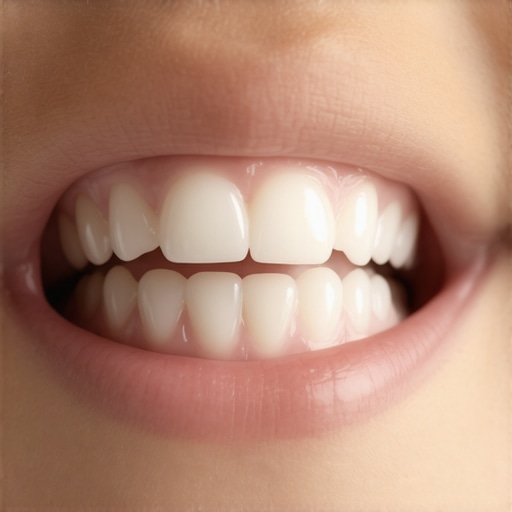
I’ll never forget the day I noticed my child’s permanent teeth looking startlingly yellower than their baby teeth. It was during a bedtime photo, and suddenly, those shiny new molars caught my eye — dull, almost stained looking. That lightbulb moment made me pause and wonder: Why does this happen? As a parent, I felt a mix of curiosity and concern. Turns out, you’re not alone—many parents ask this very question, often because the difference seems stark and puzzling.
Your Child’s Smile: Why the Color Difference?
Understanding why adult teeth can look more yellow than baby teeth can help you take the right steps to maintain that bright, confident smile. The main reason lies in the nature of the enamel—the outermost layer of teeth. Baby teeth have a comparatively thicker, more translucent enamel, which can make their color appear brighter and whiter. Conversely, adult teeth develop with more dentin underneath, which tends to be naturally darker or more yellow. As we age, or as teeth are exposed to certain lifestyle factors, this natural color can become more noticeable. Additionally, enamel doesn’t change significantly after tooth eruption, so if staining or discoloration occurs, it becomes more apparent in adult teeth.
Early on, I made the mistake of assuming that brightening products meant my child’s teeth would remain sparkling forever. But I learned that the key to a lasting smile isn’t just whitening treatments; it’s understanding the underlying structure and how to care for it. For example, avoiding excessive consumption of staining foods and beverages, like coffee or soda, is crucial. Also, regular checkups with your family dentist can help catch and prevent discoloration issues early. For more comprehensive tips, check out these expert oral health tips.
Make Your Child’s Teeth Shine Bright
In this post, I’ll share practical, easy-to-follow strategies based on my personal experience and professional advice to keep your child’s teeth healthy and bright. Before we dive into those solutions, though, let’s address the common fears parents face about their children’s dental appearance and health.
Are Whitening Products Safe for Kids?
Many parents worry about using whitening products for children, fearing potential damage. It’s a valid concern, but the truth is, most over-the-counter whitening treatments are not recommended for young children. Instead, focusing on good oral hygiene, diet, and regular dental visits can naturally maintain a brighter smile. Early missteps, like over-reliance on cosmetic products without professional guidance, can sometimes cause more harm than good. So, always consult your child’s dentist before pursuing any whitening options.
Now that we’ve set the stage, let’s explore practical ways to enhance your child’s dental health and keep those permanent teeth looking their best. If you’re curious about how modern techniques like early eruption of adult teeth affect appearance, or want to understand the best ways to prevent staining, you’re in the right place. This journey to a brighter, healthier smile starts with understanding what makes those teeth look yellower and how to address it effectively.
Mastering Proper Brushing and Flossing Techniques
My first real breakthrough came when I learned to teach my child the correct way to brush and floss—it’s like instructing someone on how to tune a guitar; precision makes all the difference. I watched a quick tutorial and immediately adjusted our routine, ensuring that I spent an extra 30 seconds on each quadrant, paying close attention to the gum line and hard-to-reach molars. The result was noticeable within a week: less plaque buildup and a brighter shine. Use a soft-bristled brush and a fluoride toothpaste, and brush for at least two minutes twice daily. Floss gently between each tooth, curving the floss into a “C” shape to reach beneath the gum line. Consistency here is your first line of defense against discoloration and decay.
Implementing Dietary Changes for Natural Whitening
Think of your teeth as a sponge; what you soak them in daily affects their color. I replaced sugary drinks with water and incorporated crunchy vegetables like carrots and celery, which act as natural cleaners. I also started avoiding coffee and dark berries during the week, substituting with lighter-colored options. This shift didn’t just brighten our teeth but improved overall oral health. Remember, staining agents linger and cause discoloration over time, so minimizing contact is key. For stubborn stains, consult your dentist about professional options like crowns or veneers, which can provide a durable, natural appearance when whitening isn’t enough.
Scheduling Regular Dental Checkups and Professional Cleanings
Before I adopted this routine, I underestimated the power of professional cleanings. Think of your dentist as a mechanic for your teeth; they can see issues you might miss. I scheduled biannual visits, and during each, the hygienist used specialized tools to remove tarter and surface stains. It was like polishing a gem—immediately making teeth look brighter. These visits also included a quick examination for early signs of decay or wear. If your child’s teeth are coming in early, or if you notice persistent discoloration, a professional assessment is crucial. Sometimes, a simple deep cleaning can make all the difference, preventing more invasive procedures down the road.
Considering Cosmetic Solutions When Necessary
In my experience, when natural methods reach their limit, cosmetic procedures like veneers or crowns can restore confidence quickly. I visited a dentist to discuss options, and like choosing between a sturdy bridge and a handy veneer, the decision depends on the condition of the teeth and desired outcome. Crowns, especially, are like protective helmets—they reinforce and mask imperfections. For more details on the best options, check out the ultimate guide to crowns. When applied correctly, these solutions ensure your child’s smile remains bright and durable, even as they grow.
Monitoring and Maintaining Your Results
Once you’ve established these habits, regular self-monitoring helps. Take weekly photos to compare your child’s smile over time, just as I did with mine, to track improvements. Be vigilant about signs of new stains or damage, which might need quick professional intervention. Educate your child early about these routines—turn brushing and flossing into a game to encourage participation. Remember, maintaining a bright smile isn’t a one-time effort but an ongoing process rooted in daily habits and periodic professional care.Many people believe they understand the basics of family dental care, but let’s dig deeper into common misconceptions that can lead to costly mistakes. For example, a widespread myth is that all dental restorations, like crowns, are created equal. In reality, choosing between veneers and crowns is nuanced; veneers are less invasive but less durable, while crowns offer strength but require more tooth reduction. To make an informed choice, it’s important to understand these intricacies. Additionally, many assume that Invisalign trays can be used indefinitely without professional oversight. However, extended misuse can cause misalignment or gum irritation, highlighting the importance of adhering to your orthodontist’s guidance. Curious about how early eruption of adult teeth impacts long-term oral health? Experts suggest that timely monitoring can prevent complex issues later, as discussed in this research article. Another misconception is that all oral health problems are visible or painful, but issues like hidden cavities or gum disease can silently progress. Regular checkups are crucial, as even seemingly healthy mouths may harbor problems. Be wary of the ‘quick fix’ mentality—over-the-counter whitening products may seem harmless but can damage enamel if misused or overused; always consult your dentist for safe options. Do you know why some people experience persistent tooth sensitivity despite diligent brushing? Advanced factors like microcracks or nerve exposure require professional evaluation, not just better toothpaste. For those considering crowns, understanding the difference between various materials is vital. For example, ceramic crowns provide aesthetic appeal, but zirconia crowns are noted for their exceptional durability—learn more about their benefits in this guide. Remember, maintaining oral health isn’t just about hygiene; it involves strategic planning and avoiding unwarranted fears or assumptions. Have you ever fallen into this trap? Let me know in the comments.
How do I maintain a healthy, confident smile over time?
Maintaining excellent oral health isn’t just about brushing and flossing; it requires the right tools and an understanding of modern techniques that ensure durability and aesthetics. Personally, I swear by using electric toothbrushes like the Oral-B iO, which I chose for its oscillating-rotating technology that effectively removes plaque and reaches hard-to-clean areas, especially around crowns and veneers. The built-in timers remind me to brush for the recommended two minutes, helping me avoid the common mistake of rushing through my routine. For long-term results, regular professional cleanings with a skilled hygienist are crucial—they can remove stubborn stains and identify early signs of decay that home care might miss.
In addition, I’ve incorporated high-frequency ultrasound devices such as the Waterpik Sonic-Fusion into my regimen. This combines brushing with water flossing, offering a comprehensive cleaning experience that’s gentle on dental restorations while effectively dislodging debris. I also recommend professional-grade whitening kits that your dentist can customize, ensuring safety and effectiveness, especially if you have crowns or veneers that need special care. These tools are constantly evolving, promising even better results in the future as smart tech integrates with oral care routines.
To keep crowns and veneers looking their best, I schedule routine checks to assess for any wear or margin discrepancies. This proactive approach helps in early detection of issues, potentially extending the lifespan of restorations and avoiding costly replacements. Modern digital imaging allows dentists to monitor subtle changes over time—something I highly value for peace of mind. As the trend in family dentistry shifts toward minimally invasive and technology-driven solutions, stay tuned as innovations such as AI-assisted diagnostics are becoming more mainstream, promising faster, more accurate assessments.
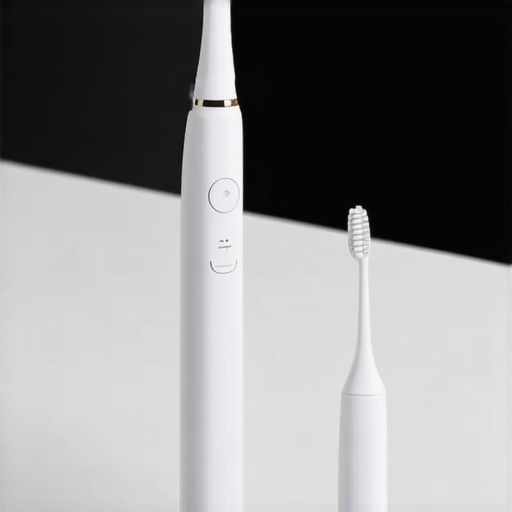
For anyone serious about preserving their smile, I recommend trying out a combination of high-quality electric toothbrushes and ultrasonic water flossers, complemented by regular professional evaluations. Remember, investing in the right tools today can save you costly procedures tomorrow. Want to learn how to make your dental routine smarter? Check out the latest family dentistry trends and consider incorporating these advanced devices into your regimen.
The Hardest Lesson I Learned About Family Dentistry and Bright Smiles
One of the most profound insights I gained was realizing that maintaining a child’s bright, healthy smile isn’t just about quick fixes. I once believed that buying the latest whitening toothpaste would keep my child’s teeth sparkling forever, but I learned that consistent, personalized care beats any over-the-counter product. Understanding the natural color differences between baby and adult teeth transformed my approach, emphasizing tailored routines over generic solutions. Additionally, I discovered that early eruptions of adult teeth should be monitored closely—delays or misalignments can silently impact long-term aesthetics and health. Embracing a mindset of proactive, informed care has truly changed my family’s dental journey for the better.
My Toolkit for Lasting Family Oral Health
Over time, I’ve curated a set of trusted resources that help me stay ahead in family dentistry. The top oral health tips blog offers practical advice rooted in current research and real-world experience. For analyzing and selecting the right restorations, the crown guide has been indispensable, guiding me through choices that balance aesthetics and durability. I also trust personalized consultation from licensed professionals, especially when considering cosmetic options like veneers or crowns—these decisions shape my family’s confidence and comfort. Staying informed through reputable sources empowers me to advocate effectively for my loved ones’ dental health.
Keep Smiling—Your Turn to Shine
Preventing dental issues and nurturing a confident smile is an ongoing journey, not a one-time effort. Embracing each small step—such as correct brushing techniques, mindful diet choices, and regular checkups—builds a foundation for lifelong oral wellness. Remember, your proactive approach today sets the tone for your family’s future smiles. Investing in quality tools and expert guidance ensures that the bright, healthy smile you desire becomes a lasting reality. Now, I invite you to reflect: what’s the one change you’re committed to making for your family’s oral health this week? Share your thoughts and let’s grow together in this journey toward radiant, lasting smiles.