
The reason your mouth feels dry even when you drink plenty of water
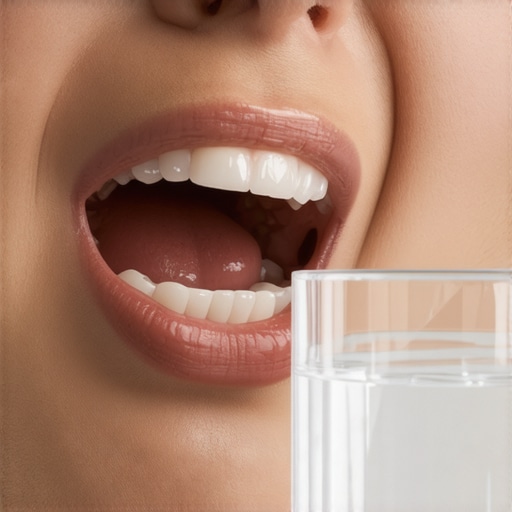
It was a morning like any other, except this time I took a sip of water and immediately felt that icy, unpleasant dryness lingering in my mouth. No matter how much I drank afterward, the sensation persisted—almost like my saliva had evaporated into thin air. Frustrating, right? I remember thinking, “Is something wrong with me?” That moment sparked a personal journey into understanding why this odd dryness happens, especially when hydration is supposedly the answer.
Chronic Dry Mouth: More Than Just Thirst
Many people brush off dry mouth as just dehydration or a minor annoyance, but for some, it’s an ongoing issue that can affect their overall health. Believe it or not, feeling parched even after drinking plenty of water can be a sign of underlying problems—ranging from medication side effects to more serious health concerns. This isn’t just about feeling uncomfortable; dry mouth can lead to bad breath, increased risk of tooth decay, and even difficulty swallowing.
Is Dry Mouth Actually Worth the Hype?
Early in my own experience, I made a rookie mistake—I thought sipping water repeatedly would fix the problem temporarily. Turns out, that was only scratching the surface. For years, I assumed dehydration was to blame, but the truth was more complicated. Doctors often warn that ignoring persistent dry mouth could result in complications like gum disease or cavities. Understanding the root causes is crucial.
According to dental health experts, certain medications, health conditions, or even treatments like [dental crowns](https://familydentistpro.com/why-crowns-are-a-game-changer-in-restorative-dentistry) can significantly influence saliva production. In fact, a study published in the Journal of Clinical Periodontology highlights how dry mouth can increase the risk of periodontal disease, emphasizing the importance of addressing this issue early.
Now, if you’ve been battling this uncomfortable sensation, you’re not alone. In the upcoming sections, I’ll share the practical steps I’ve tried—and what truly helped me regain my comfort and confidence. Ready to uncover the truth behind dry mouth and discover simple, effective solutions? Let’s dive in.
Start with Precise Hydration Practices
When tackling dry mouth, water alone isn’t always enough. I remember sitting at my desk, drinking glass after glass, yet feeling no relief. It was then I realized I needed a targeted approach. Instead of gulping down water randomly, I began sipping small amounts consistently throughout the day, especially after meals. This mimics saliva’s natural flow, helping to keep my mouth moist. Aim for about 8 ounces every hour, but adjust based on your activity levels and environment. Using a humidifier in your room can also prevent the air from drying out your mouth during sleep, much like adding moisture to a desert to sustain life.
Select the Right Oral Supplements and Aids
Next, I explored saliva substitutes and oral moisturizers designed specifically for dry mouth. These products act like an artificial backup system, providing immediate relief. Apply a thin layer to your inner cheeks and tongue to recreate that natural saliva coating. For a more natural alternative, chewing sugar-free gum with xylitol stimulated my salivary glands effectively. Think of it as giving your mouth a mini workout, encouraging saliva flow. Be cautious with mouthwashes—avoid alcohol-based products, as they can dry out your mouth further. Instead, use alcohol-free, soothing rinses that help maintain oral comfort. You can find suitable options [here](https://familydentistpro.com/why-crowns-are-a-game-changer-in-restorative-dentistry).
Optimize Your Diet for Salivary Health
Adjusting what I ate played a significant role. I avoided excessive caffeine, sugary snacks, and spicy foods that can irritate the mucous membranes and exacerbate dryness. Incorporate foods rich in omega-3 fatty acids like salmon and flaxseeds to reduce inflammation, supporting your salivary glands. Crunchy fruits and vegetables, such as apples and carrots, act like natural toothbrushes, helping clean teeth and stimulate saliva. Just as a healthy engine runs smoothly, your mouth functions better with proper nutrition. Remember, staying well-hydrated supports your body’s innate ability to produce saliva, so keep a water bottle handy — but supplement hydration with the other steps I’ve outlined.
Manage Medication Side Effects Effectively
If your dry mouth stems from medications, don’t stop them abruptly. Instead, consult your healthcare provider to discuss alternatives or dosage adjustments. In my case, switching medications took time, but it was worth it. My doctor recommended taking medications with food or after meals, which helped reduce dry mouth episodes. Also, inform your dentist about all medicines you’re taking; certain drugs like antihistamines or antidepressants are notorious for causing dry mouth. They can suggest specific treatments, including [family dentistry options](https://familydentistpro.com/choosing-the-right-crown-expert-advice-for-long-lasting-results) like custom mouth guards or protective coatings to shield your teeth from potential decay due to dry oral environment.
Embrace Regular Dental Visits and Expert Care
Scheduling regular check-ups is vital. During my visits, my dentist examined my salivary gland function and recommended procedures like applying fluoride treatments or placing dental crowns, which can protect teeth compromised by dry mouth. Think of your teeth as a garden; without proper care, they are prone to weeds and pests. A professional can spot issues early and provide targeted interventions. For persistent dry mouth, consider consulting a specialist in family dentistry—these experts have solutions tailored for complex cases and can guide you through treatments like [invisalign](https://familydentistpro.com/invisalign-vs-braces-which-solution-fits-your-lifestyle) to realign teeth and improve overall oral health, reducing areas where bacteria can thrive due to dry tissue. Staying proactive is your best defense against long-term damage.Many people believe that a perfect smile depends solely on choosing the most expensive or fashionable dental treatments. However, this misconception can lead to costly mistakes and overlooked issues in oral health. For instance, some assume that dental crowns are a one-size-fits-all solution, but in reality, selecting the right type and understanding their long-term implications require expert guidance. Rushing into cosmetic procedures without comprehensive assessments can result in unnecessary repairs or discomfort later on.
One prevalent myth is that Invisalign is only suitable for mild orthodontic cases. In truth, recent advancements have expanded its applicability to more complex malocclusions, but a thorough evaluation by an experienced family dentist is essential to ensure suitability. Moreover, some patients underestimate the importance of regular check-ups, believing that once their teeth look good, they can skip essential maintenance. This oversight can allow underlying issues, such as gum disease or bite problems, to develop unnoticed.
A hidden nuance many overlook involves the materials used in crowns and the potential for different outcomes based on material choice. For example, porcelain fused to metal crowns offer durability but may cause aesthetic issues at the gum line or metal sensitivity in some patients. Conversely, all-ceramic crowns provide superior aesthetics but may lack the strength needed for certain restorations. Understanding these subtle differences is vital for making informed decisions, which is why consulting detailed expert advice, like that found in [the guide on crowns](https://familydentistpro.com/choosing-the-right-crown-expert-advice-for-long-lasting-results), is indispensable.
Another advanced consideration is the impact of family dentistry on long-term oral health. Regular visits aren’t just about treating existing issues but also about catching hidden problems early—such as microscopic cracks or early signs of wear—which are often missed by untrained eyes. The key is to adopt a proactive mindset, emphasizing prevention over correction.
Have you ever fallen into this trap? Let me know in the comments. Navigating the complexities of oral health involves understanding these nuances and avoiding common pitfalls that could cost you time and money down the line.
Keep Your Smile in Top Shape with Reliable Tools
Maintaining optimal oral health over the years requires more than just good brushing habits; it demands the right tools that adapt to your evolving needs. From advanced toothbrushes to digital monitoring software, I personally rely on equipment that delivers consistent results and helps prevent long-term issues like cavities or crown failure.
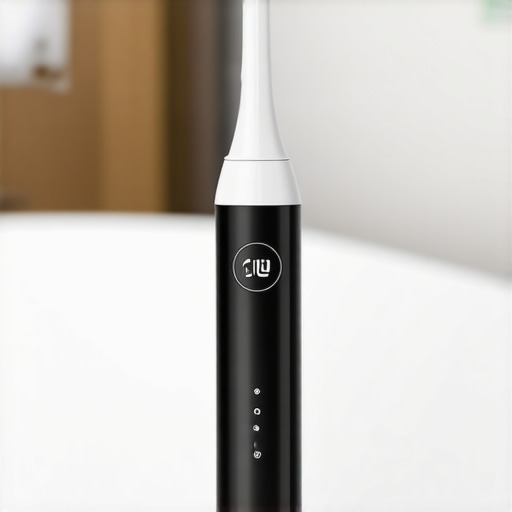
One of my top recommendations is the Philips Sonicare DiamondClean Smart toothbrush. Its ultrasonic technology provides superior plaque removal and gum stimulation, which is crucial for patients with crowns or periodontal concerns. The device’s built-in sensors track your brushing patterns and offer real-time feedback via a connected app, ensuring you never miss a zone or pressure point. This kind of data-driven approach has revolutionized how I monitor my oral hygiene routine, and I suggest my patients consider similar intelligent tools for sustained results.
In addition, I use teeth whitening kits with LED activation to maintain brightness, especially after restorative procedures like crowns. The gel’s consistency and the LED’s wavelength have made a noticeable difference in keeping my smile vibrant without risking enamel damage, as some over-the-counter options can cause. For ongoing care, I also recommend incorporating water flossers, such as the Waterpik Aquarius, which effectively cleans interdental spaces and reduces plaque buildup around crowns and bridges. The pulsating jets mimic professional cleaning but can be conveniently used at home every day.
Monitoring long-term results is essential, and digital dental records or mobile apps help track your progress, remind you of upcoming check-ups, and guide your maintenance routines. These tools are predicted to become more sophisticated in the future, integrating AI to personalize your oral care plans further, much like advancements seen in smart health devices outside dentistry.
How do I maintain dental health tools over time?
Regular cleaning and calibration are vital to keep your devices functioning correctly. Use gentle, non-abrasive cleaners on electronic toothbrush heads and replace brush heads every three months to ensure optimal plaque removal. Digital apps should be updated periodically to benefit from new features and security patches. Investing in high-quality tools and maintaining them diligently will save you money and preserve your restorative work, like crowns and Invisalign, for years to come.
To explore how technology is shaping the future of family dentistry, check out innovations in Invisalign and digital care. I encourage you to try one of these advanced tools—perhaps starting with a smart electric toothbrush—to see tangible improvements in your long-term oral health.
< >
>
What Hidden Lessons I Discovered About Family Dentistry and Crowns
One of the most surprising realizations I had was that persistent dry mouth isn’t just about drinking more water; it can be a sign of deeper health issues or dental material reactions that I never anticipated. I learned that ignoring these subtle cues can lead to more complex problems down the line, such as gum disease or crown complications. Trusting your dental team to listen and investigate beyond surface symptoms is crucial, a lesson that transformed how I approach my oral health.
The Tools That Made a Difference in My Oral Care Journey
After experimenting with various products, I found that high-quality saliva substitutes and gentle, fluoride-rich oral rinses tailored for dry mouth significantly improved my comfort. I recommend trying those like the [family dentistry solutions](https://familydentistpro.com/why-crowns-are-a-game-changer-in-restorative-dentistry) that focus on personalized care. Moreover, investing in an electric toothbrush with smart sensors helped me maintain my crowns and natural teeth more effectively, ensuring I didn’t overlook small but vital details in my routine.
Believing in Change: Your Smile’s Next Chapter Begins Now
If you’re battling dry mouth or considering restorative options like crowns or Invisalign, remember that proactive steps and trusted advice can elevate your confidence and health. Each choice you make today, from selecting the right dental provider to incorporating innovative tools, shapes your future smile. Don’t wait for discomfort to dictate your care—embrace the possibilities for a healthier, more radiant you.