
The safest way to remove a popcorn hull stuck under your gums
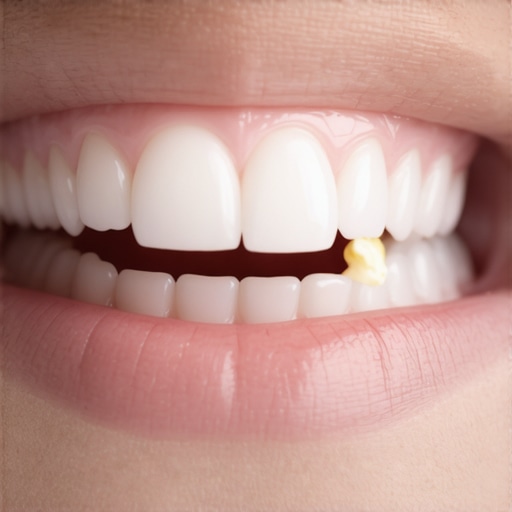
I remember the exact moment I realized I had a popcorn hull wedged painfully beneath my gums. It was late evening, and I was mid-bite of my favorite theater snack when a sudden sharp sting shot through my gumline. Instantly, my mind raced—was this going to require a visit to the dentist? Could I handle this myself? That lightbulb moment led me to an eye-opening discovery: attempting to remove it the wrong way could do more harm than good.
Why Dealing with a popcorn hull under your gums is a headache you don’t want to ignore
Popcorn is a beloved movie-night treat, but its tiny hulls are sneaky little things. When they get trapped beneath your gums, they can cause irritation, swelling, or even infections if not handled properly. Trust me, this isn’t something to brush off or try to dislodge with sharp tools. Early on, I made the classic mistake of poking around with toothpicks—thinking I was being clever—but that only pushed the hull further in or scraped my gums. The discomfort persisted, and I worried I’d made things worse.
That’s why I want to share what I’ve learned after more than a few trial-and-error attempts. The key is in understanding the safest path to remove that stubborn hull without damaging your gum tissue or risking an infection. And believe me, this isn’t a situation for untrained DIY fixes. Proper techniques, sometimes combined with professional advice, make all the difference. The good news? There are safe, simple steps you can follow that will help resolve the problem effectively.
Is attempting to remove a popcorn hull at home actually worth the risk?
Early in my ordeal, I thought I could be a hero and handle it myself. I used a tweezers I found in my bathroom drawer, which was a rookie mistake. Not only did I fail to get it out, but I also caused minor bleeding and increased irritation. That experience taught me a valuable lesson: some problems need a professional touch. For more insights into how modern dentistry creates safer procedures, check out family dentistry trends.
So, if you’re dealing with that tiny, irritating popcorn hull lodged beneath your gums, stay tuned. I’ll walk you through the safest steps to handle it—because ignoring it or rushing in with sharp objects isn’t just risky; it can prolong your discomfort.
Locate the Source of Irritation Carefully
First, identify if the popcorn hull is visibly protruding or embedded. Use a small mirror and a flashlight to examine your gums closely. If you see the hull near a specific tooth or gum line, proceed with caution. I once discovered the hull lodged just between my lower molars; a thorough visual check was essential to plan my next move. Never force your fingers or tools into your mouth blindly, as this can push the hull further in or cause tissue damage.
Dislodge the Hull with Gentle Techniques
Use Soft Tools and Gentle Pressure
Opt for a clean, soft-gummed dental floss or a piece of dental tape, and gently try to slide it beneath the hull. Think of it as trying to gently lift a tiny object from a fabric. I remember carefully threading floss around my affected tooth and delicately working it back and forth, which finally loosened the hull without hurting my gums. Avoid using toothpicks or sharp objects, as these can cause cuts or embed the hull deeper.
Apply Warm Saltwater Rinses
Rinsing with warm saltwater can help soften any minor tissue swelling and make the hull easier to dislodge. Mix about half a teaspoon of salt in a cup of warm water, swish gently around your mouth for 30 seconds, then spit out. This step helps reduce inflammation and keeps the area clean, much like preparing the scene before carefully removing a foreign object.
Use Manual Methods Without Force
If the hull feels slightly loose after flossing, you might gently try to lift it with a clean, damp cotton swab or your finger cover with a tissue for added grip. Be extremely gentle—if resistance increases, stop immediately. In my experience, patience is key; rushing can rupture tissues or push the hull deeper, complicating the problem. Remember, if at any point you feel resistance or pain, it’s safer to seek professional help.
Recognize When to Seek Professional Assistance
If the hull is firmly embedded, causes persistent pain, or you’re unable to retrieve it safely, schedule an appointment with your dentist promptly. Professionals have specialized tools like ultrasonic scalers or microsurgical instruments that can remove the hull without risking damage. I learned this the hard way after attempting removal myself; professional intervention ensured I didn’t cause more harm, and it expedited healing. For trusted family dentistry options, check this overview of modern family dentistry trends.
Keep the Area Clean to Prevent Infection
Once the hull is removed, maintain oral hygiene by gently brushing the area, avoiding harsh scrubbing that can reopen wounds. Continue saltwater rinses twice daily. Monitoring for signs of infection, such as increased swelling or pus, is crucial. During my own experience, diligent cleaning helped prevent secondary infection, ensuring faster recovery without additional discomfort.
Protect Your Gums in the Future
To reduce the chance of popcorn hulls lodging again, chew slowly and deliberately, especially with foods prone to shells or hulls. Consider using food-grade mouthguards if you’re prone to catching grains in your gums. If issues with aligning teeth or irregularities persist, explore options such as Invisalign or crowns, which can help maintain oral health and prevent foreign objects from getting trapped. Regular dental check-ups will also keep your gums healthy and prevent similar problems from arising.
Many people believe that modern family dentistry revolves solely around routine cleanings and quick fixes. But beneath the surface lies a complex web of misconceptions that can hinder true oral health. For instance, the idea that all dental treatments are equally invasive is a common myth. In reality, advancements like Invisalign technology have revolutionized orthodontics, offering discreet alternatives that challenge traditional braces. Recognizing these nuances helps patients make informed choices rather than settling for outdated notions.
Another widespread misconception concerns the durability of dental crowns. Many think that once placed, crowns require no special care. However, modern crowns are designed for longevity but depend heavily on proper maintenance and understanding their limitations. Poor oral hygiene or biting into hard foods can compromise their integrity, leading to unnecessary replacements. Being aware of these details ensures you maximize their lifespan and protect your investment.
Why do so many still believe cheaper dental solutions are better for long-term health?
This is a classic trap. Opting for cheap dental options, like over-the-counter whitening kits or DIY repairs, might seem cost-effective initially. Yet, they often cause damage or delay professional diagnosis. For example, using abrasive whitening pastes without guidance can erode enamel, making teeth more sensitive or prone to decay. An expert approach, as discussed in family dentistry secrets, emphasizes tailored treatments that safeguard your overall health.
Trying to fix oral issues with quick fixes can lead to an expensive and painful cycle. Recognizing the importance of professional diagnostics and customized care is critical. Remember, advanced diagnostics like digital X-rays or cavity detection technology are often misjudged as unnecessary expenses, but their precision helps prevent bigger issues down the line.
Have you ever fallen into this trap? Let me know in the comments. The key to optimal oral health is understanding these hidden nuances and trusting qualified professionals to guide your dental journey, rather than relying on myths or shortcuts. A well-informed patient is the best ally in maintaining a healthy, confident smile for life.Maintaining your oral health over the long term requires more than just regular brushing and flossing; it demands precision, the right tools, and a strategic approach. I personally rely on a few specialized instruments that make routine care more effective and help prevent minor issues from escalating into major problems. One crucial tool I recommend is a **sonic toothbrush** like the Philips Sonicare DiamondClean. Its advanced sonic technology produces up to 62,000 brush movements per minute, ensuring deeper plaque removal and healthier gums, especially around crowns and orthodontics like Invisalign. Using this consistently has kept my dental visits smooth and my smile bright. Additionally, I incorporate a **water flosser** such as the Waterpik Aquarius. Its pulsating water jets effectively clean hard-to-reach areas between teeth and below the gumline, which is vital for maintaining the integrity of crowns and preventing gum disease. I find that combining this with my sonic toothbrush amplifies my oral hygiene routine, especially during the period of Invisalign treatment or after crown placement. To track my progress and ensure I’m covering all areas thoroughly, I use the **Colgate Oral-B App**, which pairs with my electric toothbrush to provide real-time feedback and personalized advice. This integration helps me identify spots I might miss and stay motivated. Looking ahead, I predict that smart dental devices integrated with AI will become standard, offering real-time diagnostics and tailored cleaning routines tailored to individual needs. Embracing these tools today sets a solid foundation for future innovations in dental care.
How can I keep my dental tools effective over time
Regularly replace brush heads of electric toothbrushes every three months, and clean water flossers according to manufacturer instructions to prevent bacterial buildup. Store these tools in a dry, hygienic environment, and avoid sharing them with others. Periodic professional cleanings further enhance the longevity of crowns and the health of your gums. Remember, even the most advanced tools are only as good as their maintenance. For more expert insights into maintaining long-term oral health, visit the family dentistry secrets article. Don’t underestimate the power of consistent tool maintenance—it’s a simple step that yields significant rewards in your dental routine.
Unspoken Truths I Discovered Through My Popcorn Mishap
- Sometimes, minor issues reveal major truths about our approach to oral health. My stubborn popcorn hull taught me the importance of patience and caution over quick fixes. It’s a reminder that our teeth are complex, and rushing solutions often backfire.
- Personal experience showed me that most problems aren’t as straightforward as they seem. What looks like a simple foreign object can mask underlying gum health issues. Listening to your body and knowing when to seek professional help is vital.
- Learning from my mistake of attempting removal with inappropriate tools made me realize the value of expert guidance. Modern family dentistry offers gentle, effective solutions that protect your gums while solving the problem efficiently.
- Regular check-ups and proactive oral hygiene are your best shields against unexpected irritations. Investing in quality tools and knowledge keeps tiny irritations from becoming major concerns.
Tools and Resources That Elevate My Smile Experience
- **Sonic toothbrushes** like the Philips Sonicare DiamondClean have transformed my daily routine. Their advanced technology ensures a thorough clean, especially around crowns or orthodontics. I trust them because they’ve improved my gum health noticeably.
- **Water flossers**, such as the Waterpik Aquarius, help me reach those tricky spots. Their pulsating jets clean below the gumline without aggression—a gentle yet effective method I swear by.
- **Dental apps**, including the Colgate Oral-B App, provide real-time feedback on brushing and flossing. They motivate me to maintain consistent care and catch issues early, surprising me with how much technology can do for personal health.
- **Educational websites** like the one maintained by family dentistry experts provide insights that help me make informed decisions. Staying educated means I avoid myths and embrace proven practices.
Seize Your Dental Confidence Today
Taking charge of your oral health, especially when faced with unexpected hurdles like a popcorn hull, empowers you. Every small step toward diligent care and knowing when to consult professionals advances your journey to a healthier, brighter smile. Remember, your dental health isn’t just about avoiding problems—it’s about embracing techniques that protect and elevate your well-being.
What has been your unexpected lesson in maintaining oral health? Share your story below, and let’s grow wiser together!