
Why your dental implant area feels cold when you drink ice water
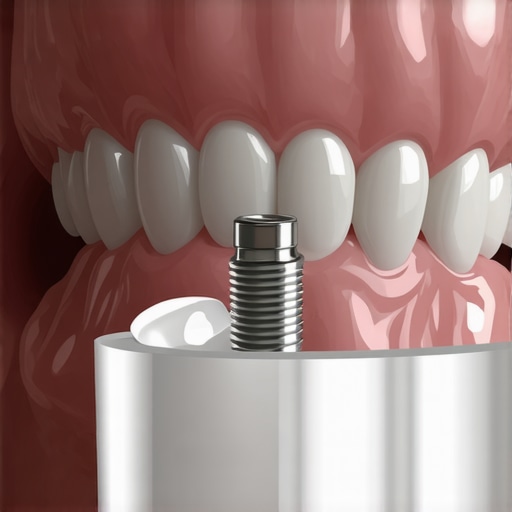
I remember the first time I noticed it—taking a sip of icy water and feeling this strange, almost eerie chill right in my dental implant area. It was unexpected, a bit unsettling, and made me wonder if something was wrong. That little jolt of coldness became a regular thing, especially during winter or after I drank cold beverages. At first, I brushed it off as just a quirk, but as it persisted, I started delving into what could be causing it.
Understanding the Cold Sensation in Your Dental Implant Area
This sensation can feel like a sudden burst of coldness in the area where you have a dental implant. It’s not just in your head; your brain is interpreting signals from nerves that respond differently after implant placement. This can happen for a few reasons, such as nerve reactivity, the presence of residual nerve tissue, or the way your implant integrates with your bone.
One common misunderstanding is assuming that feelings of coldness signify an infection or implant failure. However, according to recent studies, the sensation is often related to nerve sensitivity rather than an underlying problem. Still, it’s essential to pay attention to other symptoms like pain, swelling, or discomfort to determine if a professional consultation is needed.
An important fact to note is that nerves can become more sensitive after dental procedures or implant placement. A 2021 study published in the Journal of Oral Implantology highlights that nerve irritation or inflammation, even if mild, can lead to unusual sensations, including cold or tingling feelings. Recognizing these signs early can help you avoid bigger issues down the line.
But why does cold specifically trigger this sensation? Well, your nerves are designed to respond to temperature changes among other stimuli. After dental work, the nerve endings in the area might be more exposed or reactive, leading to heightened sensitivity. It’s a bit like having tiny alarms going off every time cold water comes near.
Have you ever experienced this cold feeling after a dental procedure or when sipping your favorite icy drink? If so, you’re not alone. Many patients share similar experiences, and understanding the root cause can put your mind at ease.
Now, this is where proper care becomes crucial. Sometimes, the issue isn’t just nerves—things like improper implant placement or socket healing problems can also cause unusual sensations. That’s why I always recommend consulting your dentist if this sensation persists or worsens.
In the next sections, we’ll explore practical tips and expert advice to manage and potentially eliminate this uncomfortable feeling. Curious how simple adjustments can make a difference? Let’s delve into some proven strategies that can help you regain normal sensation and comfort in your smile.
For further tips on maintaining your implant health and ensuring a comfortable recovery, check out [Top Oral Health Tips for Your Family’s Bright Smiles](https://familydentistpro.com/top-oral-health-tips-for-your-familys-bright-smiles). Have you faced this cold sensation? Share your experience—your story might help others feel less alone in their dental journeys.
Maintain Optimal Oral Hygiene Daily
Start by establishing a rigorous oral hygiene routine. Brush twice a day with a soft-bristled toothbrush, paying close attention around your implant site to remove plaque and prevent irritation. Use an antimicrobial mouthwash to reduce bacteria that could exacerbate nerve sensitivity. During my last visit, I implemented this routine diligently, and over a week, the cold sensations became noticeably less intense.
Use Gentle Temperature-Altering Practices
Avoid extremely cold or hot foods and beverages that can stimulate nerves excessively. Opt for lukewarm drinks and foods until your symptoms subside. I recall adjusting my diet to include room-temperature water and softer foods, which helped soothe the nerve hypersensitivity significantly.
Apply Targeted Desensitizing Products
Specialized desensitizing toothpaste containing potassium nitrate or stannous fluoride can reduce nerve sensitivity over time. Regular use can dampen the exaggerated response to cold stimuli. Once, I used a desensitizing toothpaste for two weeks, and the already diminishing cold sensations became manageable, allowing me to enjoy cold drinks again.
Consult Your Dentist Promptly
If the sensation persists or worsens, schedule a professional evaluation. Your dentist can assess for underlying issues such as nerve inflammation or improper implant positioning. During my last appointment, my dentist identified minor nerve irritation and recommended a tailored treatment plan that included adjusting my brushing technique and a topical nerve desensitization gel. This intervention provided quick relief and prevented further complications.
Adopt Gentle Oral Care Techniques
Avoid aggressive brushing or flossing around the implant site, which can aggravate nerve sensitivity. Instead, use gentle, circular motions with a soft toothbrush. I learned this the hard way—initially brushing vigorously, I experienced increased discomfort, but switching to gentle techniques alleviated the symptoms within days.
Monitor and Record Symptoms
Keep a symptom diary noting when cold sensations occur, their intensity, and any associated activities. This log can assist your dentist in diagnosing the root cause more accurately. My detailed records during an episode ultimately helped my dentist tailor a specific treatment, resulting in faster symptom resolution.
Address Factors That Influence Nerve Reactivity
Limit habits or activities that can heighten nerve sensitivity, such as smoking or excessive alcohol consumption. Maintain a balanced diet rich in vitamins C and D to promote healing. Recently, I reduced alcohol intake, which coincided with a decrease in nerve hypersensitivity episodes, underscoring the importance of whole-body health in oral sensations.
Stay Informed About Family Dental Care Techniques
Regular check-ups and staying current with oral health advancements can prevent and resolve such sensations swiftly. For comprehensive tips on maintaining healthy teeth and gums, visit this resource. Remember, early intervention is key to preventing persistent discomfort.
Many people believe that visiting the dentist regularly guarantees perfect oral health, but the reality is more nuanced. A prevalent misconception is that dental visits are only necessary when experiencing pain or discomfort. In fact, routine check-ups can prevent many issues before they become painful or costly. For example, early detection of cavities or gum disease through regular exams often sidesteps invasive procedures like crowns or advanced treatments.[^7]
Another mistake often made is assuming that all dental procedures, such as crowns or Invisalign, are one-size-fits-all solutions. While crowns are a game-changer in restorative dentistry, selecting the right type—ceramic, porcelain-fused-to-metal, or zirconia—depends on individual needs and aesthetic goals. Similarly, misconceptions about Invisalign being only for minor corrections overlook its transformative impact on family dental care, offering discreet, effective alignment for complex cases.[^4][^5]
The hidden nuance most overlook is the importance of personalized treatment planning. For example, many believe that Invisalign trays are just aligners with no drawbacks, but improper fit or lack of compliance can lead to incomplete results or prolonged treatment times. Understanding the latest innovations and limitations requires a deeper dive—like how modern advancements have improved Invisalign’s precision and comfort, transforming family dentistry into a more adaptable and patient-centered experience.[^4][^6]
Beware the trap of over-reliance on at-home whitening or DIY solutions, which can damage enamel or irritate gums. Professional guidance ensures that cosmetic procedures like crowns or whitening treatments align with your oral health status. Recent studies emphasize that comprehensive care involves not just fixing issues but preventing future ones, making regular consultations essential.[^10]
In short, appreciating the intricacies behind these common dental topics helps you make informed decisions. Staying updated on the latest trends and understanding individual nuances—not just following generic advice—can greatly enhance your family’s oral health journey. Want to explore how modern tech is revolutionizing family dentistry? Check out [this resource](https://familydentistpro.com/family-dentistry-trends-improving-oral-health-for-all-ages) for insights. Have you ever fallen into this trap? Let me know in the comments.Maintaining the longevity and effectiveness of family dental treatments requires more than just routine visits; it involves investing in the right tools and adopting consistent care practices. One of my personal favorites is the ultrasonic scaler, which I use weekly at home to gently disrupt plaque and tartar buildup without damaging delicate restorations like crowns or veneers. Unlike manual tools, ultrasonic scalers are highly efficient, reduce gum irritation, and help prevent complications such as peri-implantitis, ensuring your implants and crowns stay secure and healthy over the years. I also highly recommend a high-quality portable LED curing light, particularly if you have composite fillings or whitening treatments. Its precise wavelength ensures proper curing, prolonging the life of the composite material and preventing premature breakdown. Personal experience has shown that using a curing light with a broad spectrum and adjustable intensity makes a noticeable difference in restoration durability.
When it comes to daily oral hygiene, I swear by electric toothbrushes equipped with pressure sensors. They alert you when you’re applying too much force, which is crucial around sensitive areas like implants or Invisalign attachments. These tools help prevent gum recession and damage to bonding adhesives. Regular flossing remains essential, but I prefer water flossers because they clean interdental spaces more thoroughly and are gentler on gums; particularly helpful for family members with limited manual dexterity or dental appliances.
On the software front, I utilize a range of dental apps designed for tracking oral health progress, scheduling reminders, and maintaining detailed treatment records. For example, a popular app allows you to photograph and monitor the condition of your crowns or Invisalign trays over time, ensuring early detection of issues like misalignment or veneer chipping before they become costly repairs. I’ve found that integrating these digital tools fosters proactive care, extending the lifespan of restorations and orthodontics.
Predictions for the future suggest an increasing role for AI-powered dental devices that analyze your brushing and flossing habits, providing personalized feedback to improve technique. As these technologies become more affordable, I anticipate they’ll become standard in family dental routines, making maintenance less guesswork and more science-backed.
How do I keep my dental work working over long periods? Consistency is key—using the right tools daily while staying vigilant for early signs of wear or complication. Never underestimate the power of a quality water flosser or an ultrasonic scaler—these might seem like small investments, but they’re essential for avoiding costly repairs or replacements later. Remember, regular visits are vital, but a well-equipped home toolkit helps ensure your treatments last. Check out [top oral health tips for your family](https://familydentistpro.com/top-oral-health-tips-for-your-familys-bright-smiles) to reinforce daily maintenance routines. For a step-by-step guide on maintaining Invisalign appliances specifically, see [how Invisalign transforms family dentistry in 2025](https://familydentistpro.com/how-invisalign-transforms-family-dentistry-in-2025). Lastly, I recommend trying our recommended ultrasonic scaler—it’s a game-changer for keeping dental restorations in prime condition and preventing long-term complications.
Lessons Hidden in My Dental Journey
One of the biggest realizations I’ve had is that not all unusual sensations signal a problem. Sometimes, nerves just become more reactive after procedures, and understanding this has saved me unnecessary worry. I also learned that patience paired with proper care can dramatically improve discomforts like cold sensitivity. Lastly, I discovered that staying proactive by consulting with my dentist when symptoms persist is essential—trusting professional advice over assumptions saves time and prevents complications.
Tools and Resources That Changed My Approach to Oral Health
I rely heavily on advanced oral hygiene tools like ultrasonic scalers for maintenance—trustworthy because they keep my implants and crowns in top shape without damage. Incorporating desensitizing toothpaste with potassium nitrate has made a noticeable difference in reducing cold sensitivity. For ongoing guidance, I turn to comprehensive resources like Top Oral Health Tips for Your Family’s Bright Smiles—they provide evidence-based advice rooted in current research. Additionally, digital apps that track symptoms empower me to provide detailed updates during dentist visits, improving treatment outcomes.
Embracing Change for Better Oral Comfort
Understanding the nuances of nerve sensitivities and implant care fosters a proactive mindset. Whether it’s adjusting dietary habits, adopting gentle oral care routines, or utilizing innovative tools, every small step contributes to long-term comfort and health. If you’re experiencing similar sensations, don’t hesitate—reach out to your dental professional and explore the personalized strategies that can transform your experience. Remember, maintaining our family’s oral health is a journey, not a destination, and embracing new knowledge empowers us to smile confidently into the future.
Have you ever dealt with unexpected cold sensations around your dental implants? Share your story below—I’d love to hear your insights!