
Why your gums itch after you eat certain raw fruits
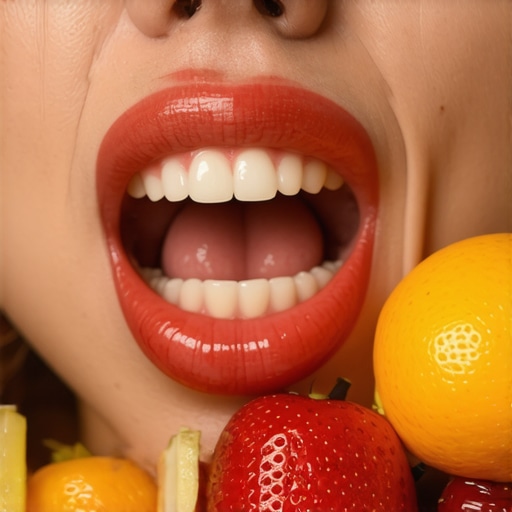
It happened again this morning. I took a bite of my favorite crunchy apple, and suddenly, a strange tingling sensation turned into an itchy, uncomfortable itch on my gums. I wasn’t sure whether to shrug it off or panic — I mean, why does my mouth react this way? It’s a baffling experience that many folks, including myself, encounter, and for years I thought it was just a weird quirk of my sensitive mouth. But after digging deeper into my own experiences and consulting with dental experts, I finally uncovered the truth. Today, I want to share what I’ve learned about why your gums might itch after you eat certain raw fruits, plus simple strategies to enjoy your snacks without discomfort.
Deciphering the Mystery of Itchy Gums After Raw Fruits
Could It Be a Hidden Allergy or Sensitivity?
Sometimes, that itchy sensation is your body’s way of showing a mild allergic reaction. Raw fruits like apples, peaches, or strawberries contain proteins similar to those in pollen, which can trigger what’s known as oral allergy syndrome (OAS). This is especially common among people who have seasonal allergies, as the immune system may mistake fruit proteins for pollen, leading to itching, swelling, or even a tingling sensation in the mouth and gums. Interestingly, a study published in the Journal of Allergy and Clinical Immunology found that nearly 10% of the population experiences some level of OAS, often without realizing it.
But I made a mistake early on that many might do — ignoring this reaction and assuming it was just a temporary annoyance. In reality, consistent exposure can sometimes worsen sensitivities or mask underlying issues.
If you find yourself rushing to brush your teeth afterward or thinking it’s just an itch that’ll pass, remember that understanding your individual responses is crucial for maintaining healthy gums and overall oral health. For more tips on keeping your family’s smiles bright and healthy, check out [top oral health tips for your family’s bright smiles](https://familydentistpro.com/top-oral-health-tips-for-your-familys-bright-smiles).
But wait—what if it’s not just a mild sensitivity? That’s what we’ll explore next, along with practical steps to enjoy raw fruits minus the discomfort.
Identify Your Specific Sensitivity
Start by noting which fruits trigger your itchy gums. Keep a simple diary, recording the fruit and your reaction. This helps determine if certain proteins or pollen-related allergens are involved, guiding you to avoid or prepare for specific triggers.
Try a Gentle Cooking Method
Cooking fruits like apples or peaches can break down proteins responsible for allergic responses, reducing irritation. For example, I once softened an apple in the microwave for 30 seconds before biting into it. The result was a less itchy experience, allowing me to enjoy my snack without discomfort.
Practice Proper Oral Hygiene
After eating irritant fruits, rinse your mouth with a saline solution or plain water. Avoid brushing immediately, as this can aggravate sensitive gums. Using a soft-bristled toothbrush and gentle strokes minimizes further irritation, much like delicately cleaning a fresh wound.
Use Allergy-Relief Products Carefully
If your reactions are mild, consider over-the-counter antihistamine mouth sprays or rinses designed for oral allergies. Always follow instructions and consult a dental professional if you’re uncertain. These products act like shields, blocking the allergic response at the site of contact.
Limit Fruits That Trigger Reactions
If certain fruits repeatedly cause issues, substitute with alternatives less likely to cause allergies. For instance, try bananas or cooked berries. This dietary adjustment is akin to choosing a different route to avoid roadblocks, enabling you to enjoy snacks safely.
Consult Dental and Allergy Experts
Seek professional advice if reactions persist or worsen. A dentist can assess your oral health, while an allergist can perform tests to identify specific sensitivities. Combining these insights helps craft a tailored strategy, much like assembling a toolkit for long-term comfort and health.
Staying vigilant and experimenting with these steps will gradually help you enjoy raw fruits without irritation. Remember, understanding your body’s responses is the first step toward comfort, and consulting specialists is key to addressing persistent issues effectively. For comprehensive tips on maintaining your family’s oral health, visit our guide on bright smiles.
Many people believe that regular family dental visits are only necessary when you have a problem or pain, but in reality, preventative care is the cornerstone of maintaining healthy teeth across all ages. Some think that traditional fillings are the only option for cavities, yet modern crowns and other restorative techniques can provide more durable solutions that mimic natural teeth. A frequently overlooked nuance is the misconception that Invisalign is just for cosmetic improvements; in fact, it can also prevent more serious bite issues that could lead to long-term jaw problems, as explained in our detailed article on Invisalign trends and innovations. Be cautious of the trap of believing all crowns are the same; choosing the right type and placement method is vital for long-lasting results, which you can learn more about in why crowns are a game-changer. Common myths also include the idea that family dentistry focuses only on children or that adult patients do not need specialized care; however, comprehensive family practices are equipped to address complex dental concerns for all ages, embracing the latest advancements. Remember that trusting outdated beliefs can lead to missed opportunities for better oral health. For example, some believe that crowns are purely cosmetic, but they serve as crucial restorations to protect compromised teeth and prevent further decay, which emphasizes the importance of seeking expertise from qualified professionals. Stay informed and proactive about your dental health, especially since modern techniques can significantly improve comfort, durability, and aesthetics. Want to ensure you’re not falling for these common myths? Reach out to our team or check out our top tips for a brighter smile. Have you ever fallen into this trap? Let me know in the comments.Maintaining your family’s oral health over the years requires more than just regular dental visits; it demands the right tools and techniques that stand the test of time. Personally, I’ve found that investing in high-quality equipment makes a significant difference in both routine care and long-term results. For instance, I swear by my sonic toothbrush, the Philips Sonicare DiamondClean, because its advanced sonic technology provides superior plaque removal and gentle gum stimulation, which is crucial for preventing issues that can escalate into costly treatments like crowns or implants. Additionally, I utilize a water flosser, such as the Waterpik Aquarius, to reach hard-to-clean areas, especially around braces, Invisalign trays, or crowns, ensuring comprehensive plaque control that brushing alone often can’t achieve.
How do I maintain my dental tools over time?
Cleaning and replacing your instruments regularly is key. I ensure my toothbrush heads are swapped out every three months, following the ADA recommendations, to prevent bacterial buildup that can compromise oral health. For my water flosser, I run the device weekly with a cleaning solution to prevent mold and bacteria, which could affect sensitive areas around crowns or implants. It’s also wise to keep these tools in a dry, clean environment—preventing mold growth and ensuring longevity. Technology continues to evolve rapidly, and upcoming trends suggest smart toothbrushes with Bluetooth connectivity will become standard, providing real-time feedback and encouraging better brushing habits. Tools like the Oral-B Genius X, equipped with AI-powered sensors, help me identify areas I might neglect, ensuring thorough cleaning every time. When you combine such innovative devices with proper maintenance routines, you’re setting yourself up for sustained oral health, minimizing the need for future restorative work. For comprehensive advice on choosing the best tools and techniques, check out our guide to maintaining bright smiles. Remember, investing in quality equipment and sticking to a regular maintenance routine can dramatically improve your long-term dental outcomes—so try incorporating one high-tech tool into your routine today! Staying ahead with cutting-edge dental technology ensures that your family’s smiles remain healthy and beautiful for years to come, reducing reliance on complex procedures like crowns or Invisalign corrections down the line.
Surprising Lessons That Transformed My Dental Care Philosophy
One of the most valuable insights I discovered was that every patient’s response to treatments like Invisalign or crowns is uniquely personal. Relying solely on standard protocols can overlook subtle signs of sensitivity or upcoming issues, emphasizing the importance of personalized care plans. Additionally, I learned that proactive communication about potential misconceptions—like the idea that crowns are merely cosmetic—opens doors to better patient understanding and adherence. Lastly, witnessing how modern technology revolutionized my approach, from advanced tools to innovative techniques, proved that staying current isn’t optional but essential for truly effective family dentistry.