
Why your Invisalign trays are making you excessively thirsty
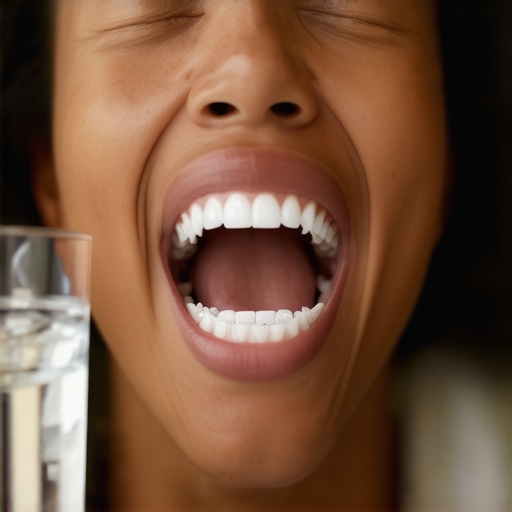
I remember the moment I first noticed it—my throat felt like I had just run a marathon, yet I hadn’t done a thing. Turns out, that relentless dryness was linked to my Invisalign trays, and not just a minor discomfort. If you’re like me, finding yourself excessively thirsty while on Invisalign, it can be both confusing and frustrating. You might wonder, “Is this normal? Should I be worried?” The good news is, you’re not alone, and there are simple reasons behind this sensation that can be addressed.
Why Are Invisalign Trays Making Me So Thirsty? The Hidden Connection
Many patients, especially those new to Invisalign, report feeling unusually parched. This isn’t just your imagination; there’s a physiological reason. Invisalign trays can cause dry mouth—a condition medically known as xerostomia—by reducing saliva flow. Saliva is essential for neutralizing acids and washing away food particles, so its reduction can make your mouth feel dry and contribute to increased thirst. Interestingly, saliva production can decrease when your mouth perceives a foreign object, like Invisalign aligners, leading to that persistent dry sensation.
What many don’t realize is that this side effect is often underestimated by both patients and even some dental professionals. Early in my own journey, I made the mistake of ignoring this symptom, thinking it was just dehydration or anxiety. However, overlooking it can lead to more serious issues, such as bad breath, plaque buildup, and even cavities. To better understand what’s happening, I researched and found that dry mouth affects nearly 30% of adults at some point, and dental appliances can exacerbate the condition. For more insights, check out this article on the connection between oral health and overall wellness.
So, how do you tell if your increased thirst is due to Invisalign or other factors? Well, sometimes it’s a simple matter of your mouth adjusting to new appliances. Other times, it could be related to dehydration, medication side effects, or underlying health issues. Understanding the root cause is vital because addressing dry mouth can significantly boost your comfort and the success of your Invisalign treatment.
Before we dive into practical solutions, let’s consider a common mistake I made early on—neglecting my hydration levels, which only worsened the dry mouth and made my Invisalign experience more uncomfortable. Trust me, small adjustments can make a world of difference.
Now that you’re aware of this connection, let’s explore what you can do to alleviate excessive thirst and promote better oral health during your Invisalign journey. Are you ready to take control of your dry mouth and improve your smile without the constant discomfort? Let’s look into practical steps that can help.
Keep Hydration Levels High
Start by drinking water consistently throughout the day, aiming for at least eight glasses, especially before and after wearing your aligners. When I first noticed my dry mouth worsening, I set alarms every two hours as a reminder to sip water. This habit significantly reduced my discomfort and kept saliva production active, which is crucial for oral health.
Use Saliva Stimulants
Chewing sugar-free gum or sucking on xylitol lozenges can stimulate saliva flow naturally. In my experience, carrying a pack of sugar-free gum minimized dry sensations during long days. Just ensure these products are free from sugar to prevent cavities, particularly when wearing Invisalign.
Opt for Humidifiers in Your Space
Dry indoor air can worsen xerostomia. My solution was placing a humidifier in my bedroom, especially during dry winter months. This increase in humidity helps keep the mouth moist, much like turning on a humid day to ease breathing.
Mind Your Oral Hygiene Routine
Maintain regular brushing and flossing, but avoid overdoing it, as aggressive cleaning can dry out the mouth further. I switched to a softer toothbrush and minimal mouthwash containing alcohol, which can be drying. Regular visits to your family dentist ensure issues like dry mouth or cavities are caught early—consider checking out [family dentistry trends](https://familydentistpro.com/family-dentistry-trends-improving-oral-health-for-all-ages) for modern techniques that can assist your routine.
Adjust Your Diet to Support Saliva Production
Incorporate crunchy fruits and vegetables, like apples or carrots, which naturally stimulate saliva. Avoid caffeine and alcohol, as these can dehydrate your mouth. I found that including foods high in water content improved my comfort and reduced thirst.
Limit Caffeine and Alcohol Before Bed
These substances can cause dehydration overnight. Making a habit of reducing intake after dinner helped me wake up less parched and maintained better saliva levels during sleep—contributing to overall oral health.
Consider Medical Factors
If dry mouth persists despite these steps, consult your healthcare professional, since medications or underlying health issues might be contributing. Discuss with your dentist about options like saliva substitutes or other treatments, especially if you are wearing appliances like Invisalign or crowns. For insights on choosing the proper restorative solutions, visit [choosing the right crown](https://familydentistpro.com/choosing-the-right-crown-expert-advice-for-long-lasting-results). Ensuring your mouth stays moist and healthy during orthodontic treatment helps improve comfort and results—so don’t overlook these actionable strategies.Many patients believe that Invisalign aligners are just a cosmetic solution, but in reality, their impact on your oral health runs much deeper. A widespread myth is that Invisalign is completely maintenance-free—however, neglecting proper cleaning can lead to plaque buildup and cavities, especially if users assume they’re immune to dental issues during treatment. Additionally, some think that crowns are purely for aesthetic improvements; in fact, they serve crucial restorative functions, reinforcing weakened teeth and preventing further decay, which is often misunderstood by those new to restorative dentistry. When it comes to family dentistry, there’s a misconception that children’s dental development is entirely natural and requires minimal intervention—yet, early professional guidance is vital to prevent future orthodontic or periodontal problems. Understanding these nuances can save you from costly mistakes down the line.
Why Do People Overlook the Hidden Signals of Oral Health Risks? The Advanced Perspective
For instance, subtle signs like slight gum bleeding or persistent bad taste are often ignored or dismissed as minor inconveniences. However, research indicates these can be early indicators of periodontal disease or systemic health issues, such as diabetes, emphasizing the importance of regular dental evaluations and awareness of these symptoms. According to studies published in the Journal of Clinical Periodontology, early intervention based on recognizing these signs dramatically improves treatment outcomes and overall health. Many patients don’t realize that addressing minor warning signs promptly can prevent more invasive procedures later—so it’s a common mistake to underestimate the power of early detection. Have you ever fallen into this trap? Let me know in the comments.
Another nuance to be aware of involves the environmental factors influencing oral health. For example, common habits like mouth breathing or using whitening toothpaste without professional guidance can damage enamel or dry out tissues, worsening conditions. Advocates for modern family dentistry highlight the importance of personalized care plans that consider lifestyle and habits—something many overlook in favor of generic solutions. For further insight, check out [family dentistry trends](https://familydentistpro.com/family-dentistry-trends-improving-oral-health-for-all-ages), which emphasize tailored approaches that foster long-term health.
Furthermore, an advanced mistake many make is assuming that dental restorations, such as crowns or implants, are permanent or maintenance-free. In truth, these restorations require ongoing care; neglecting proper hygiene around crowns can lead to marginal decay and failure. The importance of choosing the right restorations, like well-fitted crowns, cannot be overstated—consulting with an expert can significantly extend their lifespan. You might consider reading about [how to select the right crown](https://familydentistpro.com/choosing-the-right-crown-expert-advice-for-long-lasting-results) to understand what factors contribute to durability and health preservation. Staying proactive with restorative treatments ensures your investment pays off, maintaining both function and appearance over time.
Investing in Quality Equipment for Longevity
Personally, I swear by using ultrasonic toothbrushes, like the Philips Sonicare DiamondClean, which offers superior plaque removal and gentle gum care. Its sonic technology disrupts plaque more effectively than manual brushes, and I replace the brush heads every three months to maintain optimal performance. Regularly updating your tools ensures that your oral hygiene remains consistent over time, minimizing the risk of plaque buildup and decay.
Leveraging Innovative Software for Oral Health Monitoring
I utilize mobile apps like Dental Monitoring, which sync with my dentist’s system to track my progress remotely. This technology provides real-time feedback on brushing habits and alerts us to potential issues before they escalate, saving time and preventing costly treatments. Embracing such digital tools integrates seamlessly into your routine, making maintenance proactive rather than reactive.
Scheduling Routine Check-Ups and Deep Cleanings
One key to long-term success is maintaining a regular schedule with your dental professional. I recommend biannual visits for professional cleanings and exams, during which issues like soft plaque or early signs of decay can be addressed promptly. Staying consistent with appointments keeps your oral health on track and ensures your tools are functioning effectively to protect your smile.
Future Trends in Dental Maintenance Technologies
Looking ahead, advancements such as AI-driven diagnostic tools and smart toothbrushes tailored to individual needs are poised to revolutionize home care. Devices that monitor brushing patterns and provide personalized guidance will become standard, empowering patients to take even more control. Incorporating these innovations will help you stay ahead in maintaining your oral health, especially when managing complex treatments like crowns or Invisalign.
How do I keep my dental tools working effectively over time?
Consistently replacing consumables like brush heads, utilizing advanced monitoring apps, scheduling regular professional care, and staying informed about emerging tech are all critical steps. By implementing these strategies, you extend the lifespan of your tools and ensure your oral health outcomes remain optimal. For example, using a high-quality water flosser, such as Waterpik’s models, can significantly reduce plaque and gingivitis, especially around crowns and braces. To learn more about maintaining your dental restorations, visit this resource on crowns. Take the initiative today—try integrating a smart toothbrush with app-based feedback into your routine, and notice the difference in your oral health maintenance.
The Hidden Lessons That Transformed My Dental Care Philosophy
One of the most profound insights I gained was realizing that patience often yields better results than rushing to fix every discomfort. Early in my Invisalign journey, I wanted immediate relief from dry mouth symptoms, but rushing to medications or shortcuts only delayed my progress. I learned that understanding the body’s adaptive processes and giving myself time to adjust was key—patience with your oral health can prevent long-term setbacks.
Secondly, I uncovered that proactive communication with my dental professional is worth more than any DIY remedy. Asking questions about treatment adjustments, side effects, or concerns helped me personalize my care, leading to more comfortable and effective outcomes. Building that relationship taught me that your care team is your best asset, especially when navigating complex restorations or orthodontic plans.
Another lightbulb moment was realizing that investing in quality tools and educational resources amplifies your dental care routine. Using advanced toothbrushes and monitoring apps didn’t just improve my oral health; it also empowered me to catch issues early and maintain my smile’s integrity over time. It became clear that technology, when wisely integrated, can be a game-changer in family dentistry.
Tools and Resources That Made a Difference
For me, the most trusted resource for debunking myths and staying updated is the comprehensive content on familydentistpro.com. This platform offers evidence-based insights that help differentiate between misconceptions and facts, especially regarding treatments like Invisalign and crowns. Additionally, I rely on the latest clinical guidelines shared through reputable sites like Family Dentistry Trends, which emphasizes personalized care strategies adaptable to every age and need.
My most indispensable tool, however, remains open and honest dialogue with my dental team. From routine cleanings to complex restorations, having a trusted professional who educates and guides has been invaluable. Lastly, cutting-edge devices like ultrasonic toothbrushes and smart monitoring apps help me maintain top oral health consistently—practical, accessible, and empowering.
Your Next Step in Oral Health Confidence
Embarking on or continuing your journey with Invisalign,crowns, and other restorative procedures is a commitment to your overall well-being. The road might sometimes feel daunting, but remember that small, consistent actions can lead to monumental improvements. Embrace the knowledge that your proactive choices—be it utilizing advanced tools, engaging with your dental team, or exploring credible educational resources—are investments in your future smile. Take that first step today, and watch how your confidence and health flourish. What small change will you make today to enhance your oral health? Share your thoughts below and join the conversation.