
The best snacks to pack for a child with new braces
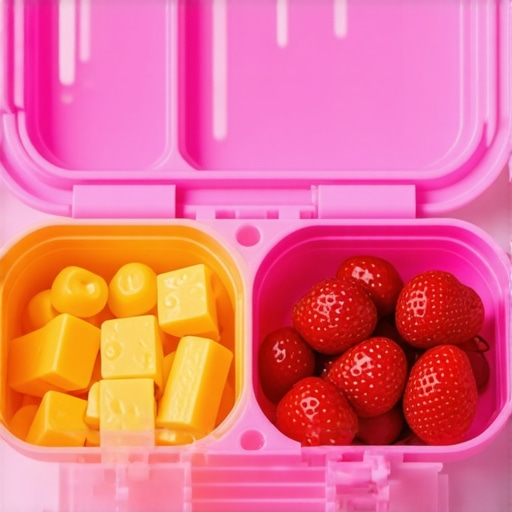
I remember the day my child got their braces—a mix of excitement and instant realization that snack time was about to change dramatically. As they wobbled with a new-mouth makeover, I watched their face fall when I handed them a crunchy apple, only to hear that dreaded crack. It hit me hard—access to their favorite treats was suddenly limited, and I was left scrambling for solutions. That moment spurred me to become the neighborhood hero for other parents facing the same dilemma: what snacks are truly safe and appealing for kids with braces? Today, I want to share my experience and guide you through selecting the best snacks that are gentle on your child’s teeth yet satisfy their cravings.
Why Choosing the Right Snacks Matters When Your Child Has Braces
Is It Worth the Effort or Just a Trend?
Initially, I thought it was just about avoiding nuts or sticky candies. But I soon learned that the right snack choices can actually prevent costly adjustments and keep my child’s oral health on track. The wrong snacks can lead to broken brackets, painful irritations, or even prolonged treatment—that’s a risk no parent wants to take. Early on, I made the mistake of believing that just soft foods would suffice, but I quickly realized that variety and nutrition matter too. If I had known sooner that what we feed our kids impacts their treatment outcomes, I would have been more proactive. For more in-depth insights, check out the ultimate guide to crowns.
So, what exactly makes a snack suitable for braces? It’s all about choosing foods that won’t dislodge brackets, cause cavities, or damage the wires. Think less sticky, chewy, or hard options—and more soft, easy-to-chew, and nutrient-packed choices. But before diving into specific ideas, let’s address a common concern parents have: “Are these snack options actually going to satisfy my kid’s cravings?” The answer is a firm yes—and I’ll show you how.
Facing the Skeptic: Will My Child Actually Like These Snacks?
Trust me, I’ve been there. As a mom, I worried that limiting treats meant dull snack time. But I learned that creativity makes all the difference. My child now looks forward to these nutritious, braces-friendly snacks because they’re colorful, tasty, and easy to prepare. Remember, what’s most important is that these options are practical and encourage healthy habits. Want to discover some tried-and-true snack ideas? Keep reading—your new go-to list is just ahead, and your child might just thank you for it!
,
Picking the Right Diet for Braces and Crowns
Choose Soft, Nutritious Snacks
Begin by replacing hard or sticky snacks with soft options like yogurt, mashed fruits, or cheese slices. I remember one afternoon when I prepared a batch of protein smoothies for my child, blending bananas, berries, and Greek yogurt. It was messy, but the kids loved it, and it kept their braces intact without any irritation. Think of soft foods as gentle cushions for your teeth—protecting your investment while ensuring proper nutrition.
Avoid Dangerous Foods
Stay clear of popcorn, nuts, crunchy chips, or chewy candies. I once rushed to the dentist after my son bit into a caramel—and a bracket popped off. To prevent these mishaps, keep a mental list of high-risk foods that can crack or dislodge dental work, especially if you have crowns or Invisalign trays in place.
Master Daily Oral Hygiene Routine
Brushing and Flossing Like a Pro
Establish a disciplined routine—brush twice daily for two minutes with a soft-bristled toothbrush, paying close attention around crowns and brackets. I set a timer on my phone to ensure I didn’t rush, which improved consistency. Flossing requires precision: gently sliding floss around each tooth, especially near restorations, will dislodge plaque without damaging your dental work. Think of floss as the cleanup crew, tidying up the corners that brushing misses.
Use Specialized Dental Tools
Consider water flossers or interdental brushes for hard-to-reach areas. I introduced my child to a water pick, which made flossing fun and effective, significantly reducing gum inflammation. These tools are like tiny pressure washers for your teeth—dislodging debris and reducing bacteria buildup around crowns and braces.
Protect and Preserve Dental Restorations
Avoid Excessive Force and Impact
Engage in low-impact activities during sports by wearing a mouthguard. I learned this the hard way after a bicycle spill; a simple mouthguard saved my crown from chipping. Think of it as a shock absorber—absorbing the brunt of impacts and preventing costly repairs or discomfort.
Schedule Regular Check-Ups
Timely dental visits are crucial. During my routine check-up, my dentist identified early signs of crown wear and replaced it promptly, averting future complications. It’s like servicing your car—preventive maintenance saves money and lengthens the lifespan of your dental work.
Adjust Habits to Support Long-Term Oral Health
Limit Stain-Causing Beverages
Reduce coffee, tea, or red wine intake to keep crowns looking bright. I swapped my afternoon latte for herbal tea, preserving the aesthetics of my dental work. Think of these beverages as painting over your smile—frequent consumption can dull or stain your restorations over time.
Stay Hydrated and Chew Sugar-Free Gum
Water not only washes away food particles but also stimulates saliva, protecting against decay. Chewing sugar-free gum after meals can also dislodge trapped debris, serving as a simple yet effective habit—like brushing with extra speed bumps along your dental road.
Stay Informed and Prepared
Learn When to Seek Professional Help
If you notice any looseness, pain, or damage, contact your dentist immediately. I experienced slight gum irritation that worsened overnight; a quick visit revealed an early crown fracture. Think of your dental team as the pit crew—serving quickly keeps your mouth running smoothly.
Incorporating these concrete steps ensures your dental restorations and overall oral health stay in top shape, avoiding surprises and costly repairs. Regularly visiting your dentist and adjusting habits as you go will secure your smile’s longevity and health.
 Many people assume that dental crowns and Invisalign are straightforward solutions, but in reality, misconceptions abound that can impact your oral health. One pervasive myth is that crowns are purely cosmetic; however, they serve a critical restorative function, protecting weakened teeth and preventing further decay. Misunderstanding this can lead to neglecting necessary treatments, increasing the risk of more invasive procedures down the line. Additionally, there’s often an overestimation of Invisalign’s capabilities, with some believing it’s suitable for all orthodontic issues. In truth, complex malocclusions may require traditional braces or other interventions—it’s essential to consult your family dentist to determine the best option for your specific needs, as discussed in this guide on Invisalign innovations. A common mistake in family dentistry is neglecting the importance of tailored oral hygiene routines. While brushing twice a day is a good start, patients often overlook the necessity of flossing and regular professional cleanings, especially when restorations like crowns or implants are involved. Failure to adapt your routine can trap plaque and lead to gum disease, ultimately jeopardizing your restorations. It’s crucial to understand that restorations do not negate the need for vigilance; as explained in this article on crowns, thorough hygiene extends the lifespan of your dental work. Another myth is that orthodontic treatments like Invisalign are quick fixes. While they can be faster than traditional braces, achieving optimal results still requires discipline and time. Advanced cases might take over a year, and skipping aligner wear or neglecting follow-up appointments can compromise outcomes. For a deeper dive into what to expect with Invisalign, see this comprehensive overview. Before making decisions, assess the complexities of your dental health, and never assume that one solution fits all—your family dentist is your best resource. Risks also involve improperly handling restorations at home; attempting to DIY repair crowns or braces can cause irreparable damage. For example, trying to adjust Invisalign trays without professional guidance can lead to ill-fitting aligners, reducing treatment efficacy. Recognizing the limits of self-care and knowing when to seek expert advice is vital. As highlighted in this article on crowns, quality restoration is as much about maintenance as it is about placement. Lastly, many misunderstand that family dentistry solely deals with children. In my experience, comprehensive family dentistry encompasses all ages, addressing unique concerns from pediatric to geriatric populations. Regular check-ups ensure early detection of issues like gum recession or decay around crowns, which can be subtle but serious if overlooked. For tips on maintaining holistic family oral health, visit this resource. Remember, your dental health is a lifelong journey, and dispelling these myths ensures better choices. Have you ever fallen into this trap? Let me know in the comments.
Ensuring the longevity of dental crowns, Invisalign aligners, and overall oral health requires the right arsenal of tools and techniques. As someone deeply invested in family dentistry, I’ve curated a set of specific equipment and methods that I personally recommend for optimal maintenance. These tools not only streamline daily routines but also help identify early issues before they escalate, saving you time, money, and discomfort.
Personalized Oral Hygiene Devices Make a Difference
First and foremost, I advocate for using a water flosser like the Waterpik Ultra. Unlike traditional floss, water flossers provide pulsating jets that effectively clean around brackets, crowns, and implants without exerting excessive force. I’ve seen remarkable improvements in patient gum health when incorporating this tool—especially for those with multiple restorations or orthodontic appliances. Regular use can prevent plaque buildup, which is critical for prolonging the life of crowns, as explained in this article on crowns.
High-Quality Dental Care Products Boost Results
Investing in a soft-bristled toothbrush designed specifically for crown and bridge care, such as ones with a small head, allows better access to difficult areas. I personally recommend Sonicare ProtectiveClean models—which utilize sonic technology to dislodge debris more efficiently and deliver gentle yet thorough cleaning. Additionally, using fluoride rinse helps strengthen enamel and reduce the risk of cavities around restorations, especially when combined with proper brushing and flossing.
Technology-Driven Monitoring and Maintenance
For those who want to take their maintenance a step further, considering digital intraoral cameras for at-home inspections can be invaluable. These compact devices enable you to get a close-up view of problem spots, such as gaps around crowns or rough edges that may need professional attention. This proactive approach aligns with the future of family dentistry, where patient involvement enhances outcomes. As discussed in this post on emerging trends, the integration of technology is revolutionizing preventive care.
Predicting Long-Term Success with Consistent Care
The key to long-term results isn’t just having the right tools but knowing how to use them effectively over time. Regularly replacing toothbrush heads, cleaning your water flosser, and scheduling routine check-ups form the foundation of lasting oral health. I advise my patients to set up reminders—whether through smartphone apps or a calendar—to maintain this rhythm during busy periods. This consistent effort ensures that your crowns and Invisalign devices serve you well for many years, supporting overall well-being.
How do I maintain dental restorations and orthodontic devices over time?
Keeping these tools in top condition involves a combination of proper technique, quality equipment, and regular professional assessments. For example, examining your appliance with a mirror monthly can catch early signs of wear or damage. Professional cleanings and evaluations should occur biannually, or as advised by your dentist, to address any emerging issues before they develop into costly repairs. Incorporate advanced cleaning techniques, like ultrasonic scalers, during your professional visits, which are highly effective at removing hardened plaque around crowns—something that can be supported by research in dental biofilm studies. Try integrating these tools and habits into your routine, and you’ll notice a tangible difference in your oral health and the durability of your dental work.
Lessons That Took Me Too Long to Learn About Dental Restorations
- I used to believe crowns were purely cosmetic, but discovering their restorative power made me realize how crucial proper maintenance is to prevent costly repairs. The moment I understood this, I prioritized routine check-ups, saving me from unnecessary discomfort later.
- I thought Invisalign was a quick fix for teeth alignment, but delving into their complexities taught me patience and discipline are essential for successful results. Understanding that treatment timelines are personalized helped me set realistic expectations and stay committed.
- I underestimated the importance of tailored oral hygiene routines around crowns and orthodontic devices. Learning to adapt my cleaning habits proved transformative, allowing me to preserve my restorations and overall oral health longer than I imagined.
Tools and Resources That Reshaped My Dental Care Approach
- Waterpik Ultra – This water flosser revolutionized my daily routine, making cleaning around crowns and braces effortless and more effective. I trust it because it reaches hard-to-access areas, preventing plaque buildup and prolonging restoration life.
- Sonicare ProtectiveClean toothbrushes – Their gentle yet thorough cleaning made me realize that investing in quality tools pays off. They help maintain the integrity of crowns and prevent common issues like staining or decay.
- Professional guidance from comprehensive crown resources – Accurate information and expert advice provide confidence in taking proactive steps, ensuring long-lasting results.
- Intraoral cameras for at-home inspections – These gadgets empowered me to monitor my oral health actively, catching potential issues early and reducing emergency visits.
Your Smile Deserves More Than Just Routine Care
Every step you take toward understanding and caring for crowns, Invisalign, and family dentistry isn’t just about aesthetics—it’s about empowerment. By learning from my experiences and embracing the right tools, you can enjoy a healthier, more confident smile for years to come. Remember, the journey of dental health is ongoing, and each informed decision makes a difference. So, what small change will you implement today to improve your oral care habits? Share below and let’s build a community of proactive smile protectors!