
How to tell if your dental filling is cracked or just worn down
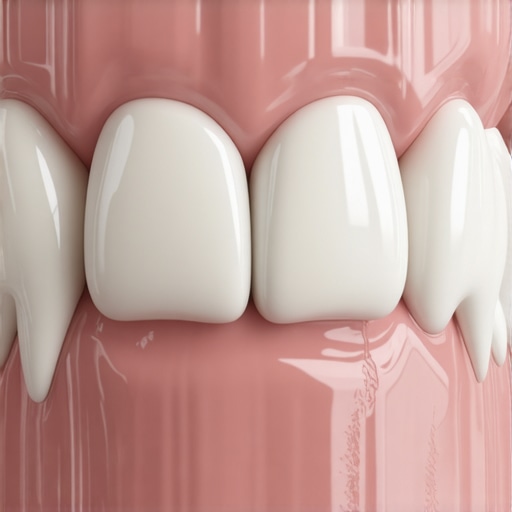
It hit me one morning during my routine brush—an unusual dull ache in my molar. At first, I thought it was just sensitivity or perhaps leftover coffee staining, but as the day went on, the discomfort lingered. That lightbulb moment made me realize—could my filling be cracked without me even noticing? It’s a common worry I hear from friends and family too: How can you tell if a filling has a crack or if it’s just worn down over time? And frankly, why does it even matter? Because ignoring these signs can lead to bigger dental issues down the road.
Understanding the Risks of Ignoring a Cracked Filling
Dental fillings are designed to restore function and protect the tooth, but they aren’t invincible. Over time, fillings can develop cracks from chewing, clenching, or even temperature shifts from hot coffee to icy drinks. A cracked filling not only jeopardizes the restoration itself but can also pave the way for bacteria to invade the tooth, increasing the risk of decay and infection. I learned early on that catching these signs promptly can save you from more invasive procedures like root canals or crowns.
Will My Tooth Survive? Busting the Biggest Skepticism
One mistake I made early in my dental journey was dismissing minor discomfort as a normal part of aging. To be honest, I often believed that wear and tear were unavoidable and would just need regular replacements. But after some research and a chat with my dentist, I realized that small cracks can be repaired or monitored if caught early. Waiting too long is what truly risks permanent damage. If you’re skeptical about whether your issue warrants a professional check, remember: addressing small problems now can prevent costly procedures later. Curious about newer solutions? Check out how to choose the right crown expert for durable restorations.
So, how can you tell if your filling is cracked or simply worn down? Let’s explore some key signs and practical tips in the sections ahead. Don’t wait for a sharp pain or visible damage—stay proactive about your oral health!
Inspect Your Tooth Regularly
Start with a close visual review of your molars and fillings. Use a mirror in good lighting to look for tiny cracks, chips, rough edges, or discolored spots indicating material breakdown. I remember my first check; I gently ran my tongue over a filling and noted a tiny rough patch—small clues like these often signal trouble before pain strikes.
Use Gentle Tactile Checks
Run a clean finger cautiously along the surface of the affected tooth. Be sensitive to any roughness or creases. This approach helped me quietly detect a subtle crack that wasn’t visible to the naked eye, prompting a prompt visit to the dentist.
Identify Common Warning Signs
Pay attention to pain when biting, cold sensitivity, or lingering discomfort after eating hot or cold foods. I experienced a sharp jolt when biting into an apple—an immediate sign I needed professional attention. Remember, even minor discomfort can mask a crack progressing slowly.
Monitor Oral Sensations
Track any unusual tastes, roughness, or sensitivity. I once ignored mild cold sensitivity, which worsened over weeks, culminating in dental work. Precise monitoring can prevent escalation; don’t dismiss small alerts.
Seek Professional Evaluation Without Delay
Schedule an appointment with your dentist if you notice any irregularities. Dentists use dental explorers—like specialized tiny picks—to detect cracks that are invisible during a visual exam. During my visit, the dentist used an explorer to gently probe my filling and identified a tiny fracture that I had overlooked.
Utilize Advanced Diagnostic Tools
Ask your dentist about digital X-rays or laser fluorescence tests. These tools reveal cracks hidden beneath the surface. I opted for an intraoral camera, which allowed me to see images of my cracked filling on a screen, making the problem crystal clear.
Decide on the Best Repair Strategy
Depending on crack severity, your dentist might recommend resealing, replacing, or crowning the affected tooth. I learned that minor cracks could be filled with composite resin, but more extensive damage calls for a crown. For durable solutions, consider visiting a trusted crown specialist.
Restore & Protect with Crowns
When a crack jeopardizes tooth integrity, crowns restore strength and prevent further damage. My experience with a crown on a cracked molar was smooth; the dentist took precise impressions and fitted a custom ceramic cap that seamlessly blended with my natural teeth.
Prevent Future Crack Development
Adopt habits like avoiding biting hard objects, managing teeth grinding, and maintaining good oral hygiene. I started wearing a night guard after noticing subtle signs of clenching, which likely contributed to my filling cracking. Regular dental check-ups offer ongoing monitoring, catching issues early.
Many people believe they understand their oral health, but in reality, some common misconceptions can lead to overlooked issues and costly mistakes. For instance, the idea that all dental procedures are one-size-fits-all is a myth; in my experience, personalized treatments like custom crowns tailored to your bite can significantly improve longevity and comfort. One trap to avoid is assuming that over-the-counter whitening products offer long-term results—professionally applied options such as crowns provide lasting benefits and prevent enamel damage, which is a frequent mistake many make when trying to save money.
Have you ever fallen into this trap? Let me know in the comments.
Why aren’t all Invisalign aligners equally effective for everyone?
A nuanced misconception is that Invisalign suits every case equally, but the truth is, its effectiveness depends on precise treatment planning and patient compliance. Some think that Invisalign can fix severe misalignments as easily as minor crowding; however, advanced cases may require adjunct treatments or alternative options like braces or crowns. Studies show that failure rates can increase if aligners aren’t customized properly or if patients don’t wear them consistently—emphasizing the importance of consulting with an experienced family dentist familiar with Invisalign innovations. For a deep dive into the latest advancements, check out how Invisalign is transforming family dentistry.
Another often-missed nuance regards crowns. Many assume that any crown is fine for restoring a compromised tooth, but choosing the wrong material or improperly fitting crown can lead to recurring issues like sensitivity or even crown failure. According to industry experts, selecting the right crown material and ensuring a precise fit—details often overlooked by amateurs—are critical for long-term success. To learn more about this, visit why crowns are a game-changer.
The biggest mistake in family dentistry is neglecting this complexity and settling for generic solutions. Instead, prioritize understanding the nuances of tailored treatments, and always collaborate with professionals who can customize strategies for your unique needs. Remember, familiarity with these details can significantly enhance your dental health, saving you money and discomfort down the road.
Maintaining optimal oral health requires more than just regular brushing and flossing — it demands the right tools and techniques that suit your unique needs. Over the years, I’ve tested and adopted specific equipment and software that have genuinely transformed my dental routine, ensuring long-term results and making scaling easier. Let’s dive into the essentials I personally rely on for a healthier, brighter smile.
Invest in a High-Quality Electric Toothbrush with Smart Features
For me, the game-changer has been a toothbrush like the Philips Sonicare DiamondClean Smart. Its multiple brushing modes and built-in pressure sensors help prevent damage caused by aggressive brushing, particularly important for those with crowns or fillings. The Bluetooth connectivity and accompanying app provide real-time feedback, guiding me to improve my technique and track my progress over time. This integration ensures I never miss a spot and helps maintain my oral health’s integrity.
Use a Water Flosser for Deep Cleaning
Traditional flossing often misses plaque between tight spaces, but I swear by the Waterpik Sonic-Fusion. It combines flossing with brushing, targeting areas where bristle brushes alone can’t reach. Regular use helps me extend the longevity of my crowns and keep my gums healthy, reducing the risk of bleeding or recession. Consistent water flossing complements my routine and supports long-term periodontal health.
Employ Tooth-Tracking Apps to Monitor Progress
Maintaining impeccable oral hygiene isn’t just about tools; tracking your habits fosters accountability. I recommend apps like Brush DJ or DentalMonitoring, which synchronize with your electric toothbrush or dental provider’s system. These tools provide reminders, record brushing duration, and can even alert you to early signs of issues, such as unusual wear or sensitivity. Staying proactive with monitoring ensures small problems don’t escalate into costly repairs, like realigning a misaligned crown or addressing early decay.
Adopt Laser Cavity Detection Devices for In-Between Checks
Recent innovations include handheld laser fluorescence devices like QuantSystem TruScan that detect early demineralization beneath the surface. While primarily used by dental professionals, some portable models now let patients perform periodic self-assessments, especially for detecting hidden cracks or decay near restorations. While I recommend consulting your dentist for comprehensive diagnoses, having such a device at home helps me identify potential issues before they become painful or costly.
Predicting the Future: Smarter, Personalized Care
The trend is moving toward AI-powered diagnostics and personalized maintenance plans. Integration of 3D imaging and digital records will soon enable dentists to customize tools and therapies more precisely, optimizing longevity for crowns, Invisalign treatments, and other restorations. Embracing these advancements now can set you up for a future where your dental care is proactive, not reactive.
How do I keep tools working effectively over time?
Regular cleaning and calibration are key. For electronic devices like toothbrushes, replacing heads every three months and following manufacturer guidelines prolongs their efficacy. Software updates ensure your monitoring apps remain accurate, and routine checks by your dentist can calibrate any diagnostic tools you might use at home. This approach guarantees that your investments in dental technology yield long-lasting benefits, helping you avoid unexpected repairs or replacements.
For example, maintaining the precision of your laser detection device involves ensuring the sensor surfaces are clean and free from debris, which can otherwise lead to false readings. Consulting trusted sources, such as the latest in dental tech, can help you select tools and upkeep routines that last for years.
Start incorporating one of these advanced tools into your routine today—perhaps a smart electric toothbrush or an app for tracking your flossing habits—and experience how they make a tangible difference in your oral health journey.
The Most Unexpected Insight I Gained About Smile Maintenance
After years of regular dental visits, I finally realized that the real secret isn’t just about brushing twice a day—it’s about being truly attuned to how your teeth and fillings respond over time. I once ignored subtle tiny cracks in my fillings because I thought they were harmless, but those overlooked signs can lead to bigger issues. That lightbulb moment taught me that private vigilance combined with professional inspection is key to long-lasting dental health.
Tools and Strategies Only Industry Insiders Know
Investing in a smart electric toothbrush with real-time feedback like the Philips Sonicare DiamondClean Smart revolutionized my routine. I also started using a water flosser to reach the nooks where plaque hides, extending the life of my crowns. Incorporating an app for tracking my brushing habits made me accountable and proactive—these personal touches are what set a healthier, brighter smile apart from the rest. For those curious about the latest tech, see how modern tools are transforming family dentistry.
Opening Up About My Smile Journey
The biggest lesson I learned about family dentistry is that no two smiles are the same—and neither should their care be. Each subtle sign, from a cold sensitivity to a tiny crack, is a message from your mouth. Avoid the trap of dismissing small discomforts; early detection through advanced imaging and expert evaluation can prevent expensive repairs. Embracing personalized care, like choosing the right crown material, has helped me maintain a confident smile and avoid future issues. Remember, active engagement with your dental health is your best investment; it keeps your smile healthy and your confidence high.
Are you proactive about your dental signs, or do you wait for pain to happen? Share your experiences below—I’d love to hear how you pay attention to your oral health and keep your smile shining bright. Cheers to taking charge of your oral wellness journey!