
The truth about wisdom tooth removal: is it always necessary?
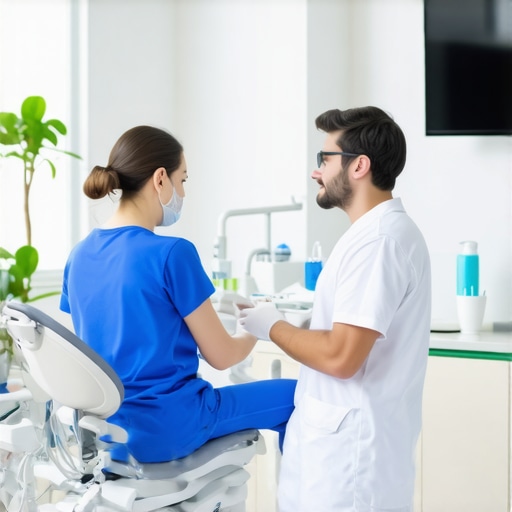
It was a typical Tuesday afternoon when I finally admitted I had been avoiding the dentist for far too long. Sitting in the dental chair, I felt a wave of anxiety wash over me. My mind kept circling around the question I dreaded: Do I really need to get my wisdom teeth removed? The truth is, I had always believed that if your dentist suggested removal, it was non-negotiable. But then I started digging into the facts, and what I found was surprisingly nuanced.
The Reality Behind Wisdom Tooth Extraction
For years, I was under the impression that all wisdom teeth had to come out, no matter what. That wasn’t just my assumption; many of us grow up thinking that way, often influenced by stories of painful surgeries and scary complications. But here’s the thing: removal is not always necessary and depends heavily on individual circumstances. Early on, I made the mistake of assuming that because my dentist mentioned my wisdom teeth might cause future problems, I should proceed with extraction immediately. Turns out, that was a mistake—one that I came to regret. It’s more important to understand your unique situation before jumping to surgery.
Is Wisdom Tooth Removal Worth the Risk?
Many skeptics question whether the procedure is truly essential. Some folks, like myself initially, believe that if there are no symptoms, there’s no need to act. Yet, untreated wisdom teeth can cause complications such as cyst formation or damage to neighboring teeth, which might require more invasive treatments later on. Interestingly, a recent study indicates that about 85% of wisdom teeth are impacted and potentially problematic if left untreated (source: [American Dental Association](https://www.ada.org)). This discrepancy often leaves patients confused—should you remove them preemptively or wait? The key is personalized assessment, which involves looking at X-rays and consulting with an experienced dentist or oral surgeon. If you’re facing this dilemma, you’re not alone. Many people are surprised to learn that non-removal options or monitoring might be suitable, especially if your wisdom teeth are healthy, properly aligned, and not causing discomfort. To truly make an informed decision, it’s essential to evaluate your specific case carefully.
As I share my experience, I hope to shed light on the fact that wisdom tooth removal isn’t a one-size-fits-all solution. Instead, it’s a decision that should be based on careful evaluation and expert advice. If you’ve ever wondered whether your wisdom teeth need to go or have already been told to prepare for surgery, keep reading. We’ll explore practical strategies and expert insights to help you make the right choice for your oral health.Start by gathering detailed information about your oral health history and current condition. Sit down with clear X-rays or digital scans of your teeth, similar to reviewing blueprints before renovation, to see exactly what you’re dealing with. Next, prepare a list of questions for your dentist or oral surgeon, focusing on risks, benefits, and alternatives specific to your case. When you meet, ask about conservative options like monitoring or minimal intervention, especially if your teeth are healthy and asymptomatic. Be honest about your lifestyle, concerns, and expectations, so the professional can tailor advice accordingly. Don’t rush the decision—take time to understand all options, costs, and recovery times. If you’re considering crowns or Invisalign, review engaging resources like [family dentistry techniques](https://familydentistpro.com/family-dentistry-secrets-maintaining-oral-health-with-modern-techniques-at-254-pm) or [long-lasting crowns](https://familydentistpro.com/choosing-the-right-crown-expert-advice-for-long-lasting-results) to grasp the benefits and limitations of each. Document your conversation, noting any uncertainties or follow-up needs. Before proceeding, revisit your goals—whether restoring function, improving aesthetics, or preventing future issues—and compare how each treatment aligns with those objectives. Finally, seek a second opinion if unsure, akin to consulting a second mechanic for car repairs. By methodically assessing your situation and consulting trusted experts, you’ll make decisions rooted in evidence and tailored to your unique needs.While many believe that dental treatments like crowns or Invisalign are straightforward solutions, the reality is far more nuanced. For instance, popular myths suggest that crowns are only for cosmetic improvements, but in reality, they play a crucial role in restoring function and preventing further damage. Many assume that oral health is solely about teeth cleanliness, yet advanced findings reveal that gum health and systemic conditions are intricately linked, impacting overall well-being. Regarding Invisalign, a common misconception is that this aligner system is only for mild corrections, but recent studies show it can be effective for complex cases, provided that the treatment plan is meticulously tailored by a skilled specialist (source).
However, one of the most overlooked aspects is the danger of oversimplifying treatment choices. For example, patients often believe that opting for a quick fix like veneers is always better than crowns, not realizing that crowns often provide a more durable and health-preserving solution, especially for structurally compromised teeth (more info).
Making the right decision involves understanding these subtleties. For instance, choosing the wrong material for a crown can lead to increased wear or discoloration over time; selecting inadequate orthodontic options may delay your desired results or cause unintended bite issues. Expert guidance ensures that your treatment aligns with both your functional needs and aesthetic goals.
A frequent trap is underestimating the importance of ongoing maintenance after procedures. Restorations like crowns or Invisalign require diligent care and periodic check-ups, not just initial treatment. Neglecting this can lead to unexpected complications, even years later. For example, untreated gum disease, often masked by the presence of crowns or veneers, can silently recede tissue and jeopardize long-term health (see details).
Let’s dig deeper into the most common pitfalls. One critical but less discussed aspect is the impact of material choice in crowns—think porcelain versus zirconia—where each has specific advantages and potential drawbacks depending on the location and function of the tooth. Selecting inappropriate materials can lead to chipping, sensitivity, or even habitat for bacterial accumulation, undermining oral health. It’s essential to evaluate these nuances with your dental professional, rather than settling for a generic recommendation.
Furthermore, many individuals overlook the importance of personalized planning in Invisalign treatments. The average patient might assume a one-size-fits-all approach suffices, but advanced techniques now allow for more complex corrections, integrating digital scans and AI-prescribed movements for better outcomes (learn more). The key lies in understanding that each case demands a tailored strategy, especially when considering long-term oral health.
Have you ever fallen into this trap? Let me know in the comments. Remember, understanding these hidden nuances empowers you to make truly informed decisions about your dental care, ensuring that treatments not only look good but also uphold your health for years to come.Maintaining excellent oral health requires more than just regular brushing and flossing; it involves investing in the right tools and adopting precise methods that support long-term results. One essential piece of equipment I swear by is an ultrasonic dental scaler like the [DentalEZ UltraClean](https://dentalez.com/ultraclean), which I use weekly to gently remove plaque buildup without damaging enamel or gum tissue. This device is especially effective for those with braces, crowns, or implants, as it allows for thorough cleaning in hard-to-reach areas. I also rely on a high-quality LED dental curing light, such as the [Bluephase G4](https://ivoclarvivadent.com/products/dental-accessories/bluephase-g4), to reinforce the durability of composite fillings and ensure they’re fully hardened, preventing future cracks. My routine also includes advanced fluoride rinses like [ACT Restoring Mouthwash](https://actfluoride.com/en/products), which work at a molecular level to remineralize enamel and reduce sensitivity, especially important after whitening treatments or crown placements. When it comes to digital tools, I use a comprehensive dental health app like *SmileCheck*, which tracks my oral hygiene habits, alerts me to areas I might be neglecting, and prompts scheduling regular check-ups, making maintenance proactive rather than reactive. Looking ahead, the integration of AI-driven diagnostic tools—such as digital scanners that instantly identify early decay indicators—will revolutionize how we prevent issues before they become painful or costly, according to recent reports from the *Journal of Dental Innovation*. I highly recommend trying out an ultrasonic scaler early in your routine; it’s a game-changer for keeping your crowns, Invisalign aligners, and natural teeth in top shape. Remember, the key to success is consistency and leveraging the best-in-class tools that fit seamlessly into your daily habits. To explore personalized strategies, schedule a consultation with your local family dentistry specialist, or visit [Family Dentistry Secrets](https://familydentistpro.com/family-dentistry-secrets-maintaining-oral-health-with-modern-techniques-at-254-pm) to learn more about cutting-edge techniques that can extend the life of your dental investments.
Lessons I Wish I Learned Sooner About Dental Care
One of my biggest revelations was realizing that not all wisdom teeth need to be removed immediately; personalized assessment makes all the difference. I once thought that crowns were purely cosmetic, but they actually play a pivotal role in restoring full function and preventing future issues. Over years, I discovered that the smartest pathway often involves a detailed understanding of your unique dental situation, rather than rushing into treatments based on assumptions.
My experience taught me that the choices between Invisalign and traditional braces shouldn’t be made lightly—advanced digital planning now allows for more complex corrections, which I wish I had known earlier. Additionally, I underestimated how crucial ongoing maintenance is post-treatment; neglecting this can undo years of progress. These lessons helped me see that proactive, informed decisions are the real keys to long-term oral health.
Tools and Resources That Changed My Approach
My essential toolkit includes an ultrasonic dental scaler like the DentalEZ UltraClean, which makes plaque removal gentle yet effective—especially beneficial for those with crowns or braces. I also trust the Bluephase G4 curing light for ensuring durable fillings. For ongoing health tracking, I use the SmileCheck app, empowering me to stay ahead of potential issues. Lastly, effective educational resources like Invisalign myths articles have helped me stay informed and confident in my choices.
Your Path to Confident Smiles and Lasting Oral Health
Embarking on your dental journey is an empowering choice. Remember, your decisions about crowns, Invisalign, or family dentistry should be rooted in personalized care, not misconceptions. I encourage you to explore your options thoroughly and consult with experts who understand your unique needs. Every step you take towards understanding and maintaining your oral health is a step toward a brighter, healthier future. Don’t hesitate—your best smile is worth it. How have you navigated your dental decisions so far? Share your experiences below and start a conversation that could change your approach for the better.