
Why your child’s new adult teeth look jagged on the edges
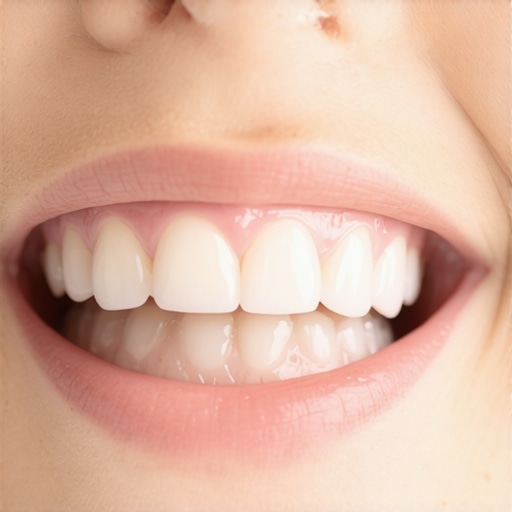
One evening, I looked over at my child brushing their teeth and noticed something that made my stomach tighten—a few of their newly erupted adult teeth had jagged edges, sharp and uneven, almost like they had been chiselled by a sculptor. My initial instinct was worry: Was this normal? Did it mean something was wrong? I remember feeling a little overwhelmed, thinking about potential costly dental procedures or complicated diagnoses.
Why Do My Child’s New Teeth Look So Jagged?
Many parents share this concern, especially when those adult teeth begin to come in and don’t look picture-perfect right away. The jagged edges are often a result of the natural process of enamel maturation. During this phase, the enamel layer—your child’s outer protective shield—develops and hardens. Sometimes, it comes in with rough or uneven edges, which might look alarming but are actually quite common. It’s as if Mother Nature took a few shortcuts, leaving some teeth with a slightly rugged appearance initially.
In my experience, understanding that this rough appearance is often temporary and part of natural development can be a relief. But here’s the thing: if these jagged edges are causing discomfort or if they seem to be worsening over time, that’s when it’s crucial to seek professional advice. Sometimes, irregular edges can lead to slicing or irritation in the mouth, especially when chewing.
From what I’ve researched, these jagged edges usually smooth out as the enamel continues to mature. It’s like the teeth are wearing their first rough coat, which gradually gets polished over weeks or months. However, if you notice any signs of cracks, pain, or excessive sharpness, don’t dismiss it—consulting your family dentist is the smart move. You might find that a simple smoothing procedure or other interventions can make a world of difference, restoring comfort and confidence.
The Promise: What We Will Cover Today
In this post, I’ll share insights from my personal journey and expert advice to help you understand whether those jagged edges are typical or a sign of something more serious. More importantly, I’ll guide you through practical steps you can take—from professional assessments to home care tips—to ensure your child’s oral health stays on track. If you’ve been worrying about those uneven edges and wondering whether they’ll smooth out on their own or require intervention, stay with me. You’re not alone, and there’s a clear path forward.
Is Dental Trauma or a Misaligned Bite Behind Those Jagged Edges?
Let me share a mistake I made early on—assuming that uneven teeth were merely a cosmetic issue that would sort itself out naturally. I overlooked the possibility of underlying trauma or bite misalignment causing the irregularities. Trust me, failing to have a professional evaluate these concerns can lead to ongoing discomfort or more complex problems down the line. A visit to your dentist can help determine if the jagged edges are just part of normal enamel development or something that needs additional attention. In the meantime, regular oral health practices, like diligent brushing and flossing, are fundamental. For additional tips, you might want to check out top oral health tips for your family’s bright smiles.
Now that you’re equipped with a basic understanding, let’s move on to what steps you can take to ensure those jagged edges don’t become a source of discomfort or concern for your child. From professional options like smoothing rough edges to more advanced restorative techniques, there’s a solution suited for every situation. Keep reading—I’ve got your back!
Schedule a Professional Dental Exam Immediately
The first concrete step I took was making an appointment with my child’s dentist within days of noticing the jagged edges. Think of it as calling a mechanic when your car makes strange noises—prompt attention often prevents bigger issues. During the visit, the dentist evaluates whether the irregularities are just enamel roughness or signs of underlying problems like misaligned bites or trauma. I remember bringing my child’s recent fall record, which helped in the assessment. The dentist may take X-rays or perform an intraoral exam to get a full picture.
Follow Personalized Treatment Recommendations
Option 1: Enamel Smoothing Procedures
If the dentist confirms that the jagged edges are just part of enamel maturation, they can perform a quick smoothing or contouring procedure. This usually involves using a diamond bur to gently buff the rough areas, making the edges safe and comfortable. I witnessed a dental technician carefully polishing my child’s teeth, which took only about 10 minutes. This step dramatically reduced discomfort and boosted my child’s confidence when smiling.
Option 2: Restorative Solutions like Crowns or Veneers
In cases where jagged edges are due to enamel damage or irregular development, a more durable fix like crowns or veneers might be necessary. Think of these as custom caps or shells that fit over the teeth, just like a protective armor. For my child’s larger dental irregularities, the dentist suggested a crown. When I visited the clinic (check out this article), they explained the process involves preparing the tooth, taking precise impressions, and fitting a custom crown made in a lab. This solution ensures long-term protection and aesthetics.
Implement Home Care and Monitoring
While professional procedures are critical, daily oral health routines play a key role in smoothening teeth edges naturally over time. I recommend diligent brushing twice daily with a soft-bristled toothbrush and fluoride toothpaste to strengthen enamel. Incorporate flossing and consider periodic mouth rinses to reduce plaque buildup that can worsen irregularities. Regular check-ups every six months help catch any new issues early. I also found that avoiding hard foods temporarily minimizes stress on developing teeth, preventing new jagged edges from forming.
Utilize Modern Orthodontic Options When Necessary
If misalignment or bite issues contribute to uneven edges, orthodontic appliances like Invisalign can be game-changers. Unlike traditional braces, Invisalign uses clear aligners that gently move teeth into proper positions. I read through this article to understand how Invisalign can correct alignment issues without sacrificing aesthetic appeal. A customized plan involves tooth impressions, digital scans, and a sequence of aligners replaced every few weeks. This approach not only improves bite function but also creates a more uniform and smoother appearance over time.Many people believe that choosing a family dentist means sacrificing quality or advanced treatment options. However, what most fail to realize is that family dentistry today encompasses a wide range of skilled care, including complex procedures like crowns and modern orthodontics such as Invisalign. The misconception that these treatments are exclusively for adults or require specialist referrals can lead to missed opportunities for comprehensive, preventative, and restorative care within a familiar, trusted practice. It is crucial to understand that a well-rounded family dental practice is equipped with the latest technology and expertise to handle various dental needs, from routine cleanings to advanced cosmetic and restorative procedures. Some think that crowns are only for cosmetic enhancement, but in reality, they play a vital role in protecting weakened teeth, restoring function, and preventing further decay. Moreover, many underestimate how innovative solutions like porcelain crowns and zirconia prosthetics can seamlessly blend durability with natural aesthetics, as detailed in the article on how crowns revitalize your smile. When it comes to orthodontics, there’s a myth that Invisalign is only suitable for minor misalignments. Yet, recent advancements have expanded its applicability to more complex cases, often matching the effectiveness of traditional braces, with the added benefit of discretion. Understanding the nuances of these treatments can help you make informed decisions for your family’s oral health. An advanced mistake to avoid is relying solely on DIY methods or over-the-counter whitening products, which can sometimes damage enamel or lead to uneven results. Consulting a professional ensures safe, effective, and personalized care—especially important for children whose developing teeth are more vulnerable. According to the American Academy of Cosmetic Dentistry, professional supervision is key to long-term smile health and aesthetics. It’s also a common misconception that oral health is just about preventing cavities; in fact, maintaining healthy gums, properly aligned teeth, and durable restorations all contribute to overall health, including reduced risks of heart disease and diabetes. Interestingly, recent studies highlight the emerging trend of integrating technology like 3D imaging and digital smile design, allowing for precise planning and predictability in procedures such as crowns and orthodontics. Are you aware of the latest innovations? If not, discuss with your family dentist how these advancements can benefit your loved ones. Have you ever fallen into this trap? Let me know in the comments.
Mastering Maintenance with Advanced Tools
Consistent dental health doesn’t happen by chance; it requires the right equipment and routines. I personally rely on a high-frequency electric toothbrush, like the Oral-B Genius series, because it provides superior plaque removal and gum stimulation compared to manual brushing. The built-in timers ensure I brush for the recommended two minutes, aligning with professional advice found on top oral health tips. For flossing, I prefer a water flosser such as Waterpik, which is especially effective in cleaning around crowns, braces, or implants—areas that tend to trap plaque and food debris. These tools are game-changers in maintaining long-term oral health and preventing restorative procedures from becoming necessary.
Implementing Digital Monitoring and Scheduling
Technology also plays a vital role in proactive dental care. I use a dedicated app to schedule regular check-ups and set reminders for replacements of tools like toothbrush heads and Invisalign trays. Modern dental practices often utilize digital radiography and intraoral scanners, which I’ve experienced firsthand, to accurately assess the health of dental restorations like crowns and veneers — see this article for more insights. These methods enable quick detection of issues such as crown wear or minor cracks before they escalate, saving you both time and expense over the years.
Predicting Future Trends in Family Dentistry
The future of oral health maintenance is set to become even more personalized. Innovations like 3D printing allow for same-day crowns and customized aligners, reducing treatment times and improving fit. Additionally, artificial intelligence is being integrated into dental diagnostics, offering real-time analysis and prediction of dental issues, leading to preventative care rather than reactive measures. Embracing these advanced tools now can ensure your family’s oral health stays resilient as technology evolves.
Keeping Your Dental Equipment Working for You
How do I maintain my tools over time? Regular cleaning and timely replacement are key. For instance, toothbrush heads should be changed every three months, and Invisalign trays need proper cleaning to avoid bacteria buildup — see proper flossing techniques. Additionally, routine professional cleanings and check-ups ensure that restorations like crowns and veneers are checked for integrity and wear. Visiting your dentist annually can help detect early signs of deterioration, such as crown margins loosening or surface wear, preventing more invasive repairs in the future. Invest in quality tools kept in good condition — they’re your first line of defense in maintaining a healthy, happy smile.
And if you’re considering long-term solutions for restorations, I recommend consulting a specialist who can provide guidance on durable materials like zirconia crowns, which are known for their strength and natural appearance. Read this detailed guide to better understand how to select the right crown to extend its lifespan. Don’t forget: consistent maintenance, advanced tools, and staying informed about evolving technologies will ensure your family’s oral health remains optimal for years to come. Ready to upgrade your home care routine? Try incorporating a water flosser for a more thorough clean, especially around crowns and appliances, and notice the difference in your oral health dynamics.
Lessons Only Experienced Parents Truly Know
- Trusting the natural development process saved me from unnecessary worries. I realized that many dental irregularities like jagged edges are part of enamel maturation, which typically smooths out over time, reducing stress and costly interventions.
- Ignoring early signs can lead to bigger issues. I learned that a quick visit to the dentist can prevent discomfort and more complex treatments later, especially when dealing with potential bite misalignments or trauma.
- Personalized care makes all the difference. From enamel smoothing to advanced restorations like crowns, understanding the options helped me make informed decisions tailored to my child’s needs.
- Home routines are powerful allies. Maintaining diligent brushing, flossing, and monitoring can naturally promote enamel maturation, minimizing the need for invasive procedures.
- Embracing new technologies enhances confidence. Modern tools like digital imaging and custom treatments streamline care and improve outcomes, showing how innovation supports family oral health.
My Handpicked Tools for Family Dental Success
- High-frequency Electric Toothbrush: I rely on it for superior plaque removal and easier gum health maintenance. It makes daily routines more effective and stress-free.
- Water Flosser: Ideal for cleaning around crowns and braces, it ensures thoroughness that manual flossing sometimes misses. It’s become an essential part of our oral health toolkit.
- Dental Apps for Scheduling: Staying on top of appointments, tool replacements, and reminders keeps my family’s dental care consistent and manageable, integrating seamlessly into our busy lives.
- 3D Imaging and Digital Smile Design: These advanced diagnostics offer precision planning and better results, making complex procedures predictable and less intimidating.
Seize Your Smile’s Bright Future Today
Your family’s oral health journey is uniquely yours, filled with opportunities to learn, adapt, and thrive. Embracing the latest insights and tools can transform worries about jagged teeth into confidence in your ability to nurture beautiful, healthy smiles. Don’t wait—your next step could be just a professional consultation away from making a significant difference. Remember, the key to lasting oral health isn’t just about reacting; it’s about proactively caring for your loved ones’ smiles with knowledge and compassion.
Have you ever hesitated to seek a professional opinion about your child’s dental irregularities? Share your experience below—I’d love to hear your story or help answer any questions you might have!
,