
Why your Invisalign trays feel tighter on some days than others
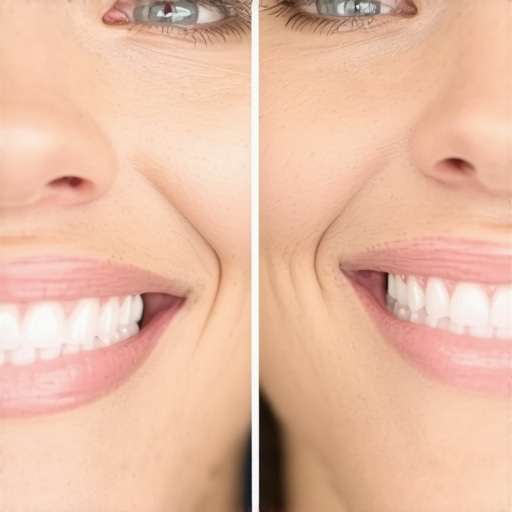
Ever had that moment during your Invisalign journey when one day your trays feel snugger, tighter, and almost more uncomfortable than usual, only to find that the next day, everything feels perfectly fine? I remember the lightbulb moment when I realized it wasn’t just my imagination. It happened to me during my treatment, and I was bewildered—was my aligner shrinking? Was something wrong with my teeth? Turns out, this fluctuation is more common than you might think, and understanding why it happens can make wearing Invisalign a lot less stressful.
The Daily Tightness Flip-Flop: Why Trays Feel Different Every Day
Does it Actually Affect My Treatment Progress?
Here’s the good news: that day-to-day feeling of tightness or looseness doesn’t mean you’re regressing or that your treatment is suddenly off track. In fact, minor changes in how your trays fit can be completely normal. My early mistake was obsessing over every tight or loose feeling, which only increased my anxiety. I later learned that oral tissues are constantly changing—swelling, shifting, calming—and these natural fluctuations impact how your aligners feel from one day to the next. According to a study published in the American Journal of Orthodontics & Dentofacial Orthopedics, our gums and tissues are in a dynamic state of flux, influencing how our aligners seat against our teeth daily. Recognizing this helped me relax and trust the process more.
If you’ve faced this unpredictability, you’re not alone. In fact, understanding the reasons behind these sensations can help you stay committed without unnecessary worry. Now, let’s dig into why your trays might feel tighter or looser on different days and what it means for your journey to a perfect smile, along with some practical tips to navigate these fluctuations confidently.
Track Your Tray Fit Daily
Start by developing a habit of daily checks—use a mirror to assess whether your aligners feel tighter, looser, or unchanged. I once used a simple measurement method: pressing my finger gently on my teeth to notice any subtle differences in pressure. This micro-survey helps you detect patterns over time rather than reacting to isolated sensations.
Keep a Treatment Journal
Record your daily feelings, noting any tightness, discomfort, or looseness. I used a small notebook, jotting down sensations and any meal or beverage that preceded them. This detailed log uncovers triggers—like spicy foods or cold drinks—that influence tissue swelling and tissue response. With consistent notes, you’ll see that feelings fluctuate with natural tissue dynamics, not treatment setbacks.
Manage Oral Tissues to Reduce Fluctuations
Swelling and tissue inflammation impact tray fit. Applying ice packs externally to your jaw for 10-minute intervals post-meal can reduce swelling and stabilize tray seating. I tried this after noticing days of increased tightness; within days, the fluctuations improved. Remember, oral tissues behave like a muscle—responsive to temperature and inflammation. Learning to control this helps maintain consistent tray fit.
Optimize Oral Health to Support Stable Alignment
Healthy gums and tissues are less prone to swelling. Use an antimicrobial mouthwash and brush thoroughly but gently around your aligners. I shifted to an electric toothbrush with a soft tip, which cleaned effectively without irritating gums. Regular flossing and visits to your family dentist reinforce tissue health, minimizing unpredictable changes that skew tray fit.
Coordinate with Your Invisalign Schedule
Stick to the prescribed wear schedule, but anticipate natural fluctuations. If you notice tightness increasing around your scheduled change date, it’s often due to tissue response rather than misfits. Scheduling regular checkups at your family dentistry office ensures professional guidance—like if your treatment needs adjustment or more targeted tissue management techniques. For expert support, visit Family Dentist Pro Contact Page.
Adjust Dietary Habits to Minimize Swelling
Limit intake of spicy, acidic, or extremely hot foods, which can trigger inflammation. Opt for cool, soft foods on days when your trays feel uncharacteristically tight—similar to how reducing exercise intensity can help muscles recover post-strain. When I experienced these fluctuations, I confined my diet temporarily, allowing tissue swelling to subside and stabilizing the tray fit.
Practice Gentle Oral Movements
Chewing gum or excessive tongue movement can temporarily alter tissue positioning. During periods of unpredictable tray tightness, minimize these habits. I consciously kept my tongue relaxed and avoided gum. Over time, this subtle adjustment helped in reducing transient tissue shifts, leading to steadier aligner fit.
Consult Your Dentist About Persistent Fluctuations
If tightness or looseness persists beyond a few days despite applying these steps, consult your family dentist. They can evaluate for issues like tray warping, debris accumulation, or other factors influencing fit. I once noticed persistent tightness, and after visiting my dentist, it turned out to be minor tray distortion, which they promptly corrected. Regular professional oversight ensures your treatment remains on track, preventing minor issues from escalating.
By integrating these targeted actions—meticulously tracking fit, managing tissue inflammation, maintaining good oral health, and coordinating with your dental care team—you can tame the daily ups and downs of Invisalign treatment. Remember, fluctuations are natural and manageable with mindful habits and professional guidance. For personalized assistance, consider reaching out through Family Dentist Pro Contact Page.
While many patients believe they fully understand their dental options, misconceptions persist that can hinder optimal care. For example, a widespread myth is that Invisalign automatically works faster than traditional braces; however, treatment time depends on case complexity more than the method itself. Advanced studies suggest that aligning teeth with Invisalign requires precise planning, and rushing into treatment without understanding its nuances can lead to less satisfactory results. Many overlook how critical proper attachment placement is; improper placement can compromise aligner effectiveness and prolong treatment, as highlighted in discussions with top orthodontic experts.
One common trap is assuming that oral health issues are solely about brushing and flossing. While hygiene is vital, factors like saliva composition, genetic predispositions, and even systemic health conditions significantly influence oral health outcomes. For instance, research indicates that patients with certain genetic markers are more prone to gum recession, regardless of brushing habits. Recognizing these nuances pushes us to seek comprehensive evaluations, not just superficial cleanings.
Regarding crowns, many patients think all crowns are the same, but material choice impacts durability, aesthetics, and long-term health. Porcelain crowns, for example, blend well with natural teeth but can be brittle if not designed correctly, leading to fractures. Conversely, metal crowns resist chipping but might not be suitable for front teeth due to aesthetic considerations. As outlined in expert reviews, selecting the right crown requires assessing related factors such as bite forces, location, and patient needs.
A critical advanced mistake many overlook involves neglecting the importance of underlying bone health before placing implants or crowns. The success of restorative procedures hinges on sufficient bone density and proper tissue integration. Failure to evaluate and optimize these factors can lead to implant failure or cosmetic issues down the line. Clinicians emphasizing the importance of preoperative assessments using 3D imaging help prevent these pitfalls, as emphasized in recent research.
Have you ever fallen into this trap? Let me know in the comments! Remember, being aware of these hidden nuances empowers you to have more meaningful conversations with your dental care team. For a comprehensive approach, consider consulting experts who understand the subtle yet crucial details, such as the team at Family Dentist Pro. Understanding these complexities ensures your smile receives the best possible care, avoiding common pitfalls that could compromise your results.
Keeping your dental appliances and oral health in top shape requires the right tools and methods. Over years of personal experience and professional advice, I’ve identified specific equipment and techniques that not only streamline maintenance but also enhance long-term results. This article shares my top recommendations, explaining exactly why I use each one and how they fit into a sustainable oral care routine.
Why an Turbidimeter Is My Go-To for Monitoring Oral Microbial Balance
Maintaining oral health isn’t just about brushing and flossing; it heavily relies on understanding your mouth’s microbial environment. I personally swear by using a digital oral microbiome sensor, similar to the Oral Microbial Test Kit. This device provides real-time feedback on bacterial levels, enabling me to tailor my hygiene practices specifically. Regular monitoring helps prevent issues like gingivitis or decay, especially crucial when you have crowns or orthodontic devices like Invisalign.
Advanced Cleaning: Ultrasonic Floss and Water Flossers
Standard flossing sometimes isn’t enough, especially around crowns or along the gum line. I recommend investing in an ultrasonic water flosser, such as the Waterpik Ultra, which uses high-frequency vibrations to dislodge plaque bacteria effectively. In my routine, I use it daily after brushing. It’s particularly valuable for cleaning hard-to-reach areas and reduces inflammation—a boon for long-term crown wearers. This method aligns with studies indicating that water flossers can be as effective as traditional floss for plaque removal when used correctly.
Powerful Disinfection with UV-C Devices
To keep my aligners, retainers, or crowns free of microbes, I rely on a UV-C sterilizer box. Portable models like the Shine UV Sterilizer allow quick disinfection of removable appliances. I insert my Invisalign trays or retainers into it after cleaning, ensuring any residual bacteria or viruses are neutralized. As a bonus, UV sterilization is chemical-free and quick, fitting seamlessly into hurried mornings or evenings. For durability and safety, always opt for devices with proven UV-C output specifications, like those tested by microbiological studies.
Why a Dremel and Fine Sandpaper Are My Secret Maintenance Tools
Crowns and composites sometimes develop micro-chips or stubborn stains over time. Instead of rushing to the dentist for minor repairs, I keep a dental-grade Dremel tool with fine sanding bits and polishing discs at home. This allows me to smooth rough edges on crowns or remove surface stains carefully, prolonging their aesthetic and functional lifespan. A recent study highlighted that minor at-home refinements, performed cautiously, can delay the need for costly restorations, provided the tools are of professional quality and used with expertise.
The Future of At-Home Dental Care Looks Bright
As technology advances, expect more AI-powered diagnostics and smart dental devices to become mainstream, empowering patients to take better control over their oral health. Predictive analytics based on personal data may recommend tailored maintenance routines, reducing costly visits and enhancing appliance longevity.
If you’re serious about extending the lifespan of your crowns, keep your Invisalign trays pristine, and maintain impeccable oral health, I encourage you to try incorporating a UV-C sterilizer and microbial sensor into your routine. These tools might seem advanced now, but their benefit is clear: proactive, precise care that saves time and money in the long run.
For a practical start, consider exploring the science-backed methods for microbial monitoring and advanced disinfection techniques. Consistent use of these tools will make your dental maintenance more effective, keeping your appliances and oral tissues healthy for years to come. Remember, adopting these smart tools now positions you for future innovations—because the trend in dental care is moving toward personalized, tech-driven solutions that prioritize long-term wellness.
Lessons That Changed How I Approach My Smile
- One surprise was discovering how natural tissue fluctuations could mimic treatment setbacks, teaching me to trust the process and not panic over variable tray tightness.
- I learned that daily tracking and journaling my aligner fit revealed patterns linked to diet and oral activities, empowering me to make proactive lifestyle adjustments.
- Consistently managing oral inflammation through simple hacks like cold compresses turned out to be crucial in maintaining stable aligner fit, which I underestimated at first.
- Understanding the importance of regular professional checkups gave me confidence that minor fluctuations are normal, and addressing them early prevents bigger issues.
- My biggest lightbulb moment was realizing that integrating advanced tools, like microbial sensors, can truly personalize and elevate the Invisalign experience beyond traditional methods.
Tools That Revolutionized My Routine
My essential toolkit includes a high-quality microbial sensor, which offers real-time insights into my oral environment, ensuring my treatments progress smoothly. An ultrasonic water flosser has been invaluable for thorough cleaning around aligners and crowns, making daily hygiene more effective. A portable UV-C sterilizer keeps my trays and appliances hygienic and safe, reducing microbial risks. Lastly, I rely on a gentle at-home Dremel to perform subtle repairs and maintenance on crowns, extending their lifespan. These tools, combined with expert advice from trusted sources like Family Dentist Pro, have given me confidence and control in my oral health journey.
Your Next Step: Embrace the Possibilities
Taking charge of your Invisalign and overall oral health journey isn’t just about the tools—it’s about adopting a mindset of continuous learning and proactive care. By staying curious and incorporating innovative techniques, you can transform your smile and confidence for years to come. Remember, your smile is a reflection of your dedication—don’t wait to start making it healthier and brighter today. What personal habit or tool are you excited to try next in your dental routine? Let me know below!