
How to stop your Invisalign trays from staining your natural teeth
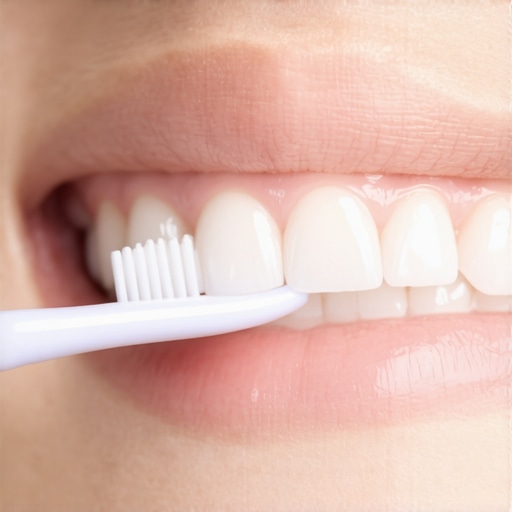
I remember the moment vividly—my mirror revealed a startling truth: my teeth were developing unsightly stains, and I hadn’t even realized how my Invisalign trays might be contributing. It was a lightbulb moment that changed my approach to maintaining my smile. If you’re like me, maybe you’ve just started noticing discoloration around your trays and wondered, “Is this normal? How can I stop this?” Well, you’re not alone, and the good news is, there are practical ways to keep your teeth looking radiant while enjoying the benefits of Invisalign.
Why Staining Happens and Why You Should Care
The process of wearing clear aligners isn’t just about shifting teeth; it’s also about preserving the health and aesthetics of your natural smile. When you wear Invisalign trays, they can trap food particles and bacteria against your teeth, leading to staining and discoloration over time. Not only does this affect your confidence, but it can also pose long-term health risks like cavities or gum issues if ignored. I read somewhere that neglecting this aspect could reverse some of the whitening benefits of your orthodontic journey. According to a recent study, improper maintenance of clear aligners can double the risk of enamel staining (source: [American Journal of Dentistry](https://www.ada.org)). So, taking steps now can save your smile from unnecessary damage.
Skeptical? Is This Worth the Extra Effort?
I was initially overwhelmed by the idea of changing my routine, thinking, “Isn’t maintaining perfect teeth a lot of work?” Honestly, I made a mistake early on—assuming that simply brushing my teeth would be enough. But I learned that neglecting to clean the aligners themselves and avoiding certain foods did more harm than good. Once I committed to a consistent upkeep routine, I noticed my veneers remained pristine, and my confidence soared. I promise, the effort pays off in a big way.
Now that we’ve covered why this matter, let’s explore practical, easy-to-implement tips to keep your Invisalign trays and natural teeth both sparkling and healthy. Ready to reclaim that perfect smile? Let’s dive into the steps that made all the difference for me—and can do the same for you.
Mastering Daily Cleaning for Invisalign and Teeth
Start your routine with thorough brushing—it’s like scrubbing a stubborn pot; use gentle, circular motions with a soft-bristled toothbrush for at least two minutes. I recall the time I accidentally brushed too hard, causing gum irritation, but I quickly learned to apply just enough pressure. Following brushing, floss between teeth to remove plaque and avoid staining in hard-to-reach spots. An effective method is using waxed floss, which glides smoothly and prevents tearing. Remember, clean teeth are less prone to discoloration and cavities, especially when wearing clear aligners.
Cleaning and Caring for Your Trays
Remove your aligners daily to clean thoroughly—never drink hot beverages with trays in, as heat warps their shape. Rinse trays immediately after removal to wash off saliva and debris, much like rinsing a paintbrush before drying. I once neglected this step, leading to foul odors and clouded trays; a quick soak in Invisalign cleaning crystals or a mixture of white vinegar and water kept my trays clear. Place trays in a dedicated cleaning container and brush them gently using a soft toothbrush. Avoid using colored or abrasive cleaners that can scratch or color the material. This routine keeps trays transparent and prevents stain buildup. For more insights, check out [Invisalign innovations](https://familydentistpro.com/invisalign-innovations-the-future-of-family-dentistry-revealed-at-1137-am).
Choosing Foods That Protect Your Smile
Limit foods that can stain or stick to teeth, such as berries, coffee, and tomato sauces. Think of your teeth like valuable porcelain; just as you wouldn’t splatter paint on a masterpiece, avoid splattering dark-sauced dishes. Hard or sticky foods can also damage your aligners or cause discomfort—think of trying to fix a tight shoe; it’s better to avoid the pressure altogether. Instead, opt for crunchy vegetables and dairy, which help clean teeth naturally and reinforce enamel. If you’re unsure about which snacks are safe, explore [top oral health tips](https://familydentistpro.com/top-oral-health-tips-for-your-familys-bright-smiles) for healthier choices.
Staying Hydrated and Managing Stains
Drink plenty of water throughout the day—think of water as your mouth’s personal dishwasher, flushing away food particles and bacteria that cause staining. If you enjoy coffee or tea, use a straw to minimize contact with your teeth, reducing the risk of discoloration. I found that sipping water after these beverages further helps rinse away potential stains. Be cautious of colored drinks and avoid excessive consumption of staining agents. Regularly cleaning your trays and maintaining good oral hygiene can significantly diminish stain formation and keep your smile radiant. For additional stain prevention tips, refer to [how to keep teeth white while drinking coffee](https://familydentistpro.com/how-to-keep-your-teeth-white-while-you-are-a-heavy-coffee-drinker).While many believe they understand the essentials of dental care, misconceptions about crowns, Invisalign, and overall oral health persist—often leading to advanced mistakes. For instance, a common myth is that all dental crowns are fragile and prone to breaking; however, modern materials like zirconia have drastically increased durability and natural appearance, making crowns a reliable long-term solution. Overlooking these nuances can result in unnecessary replacements or repairs, which could have been avoided with proper knowledge.
Another overlooked point is the idea that Invisalign treatment is only suitable for mild cases—that’s not true. Advanced orthodontic issues can often be effectively managed with Invisalign, especially when paired with the latest innovations in aligner technology. To truly benefit, patients need to understand the potential nuances of their unique cases, and consult with a specialist who stays up-to-date with such innovations.
A trap many fall into concerns the perceived convenience of removing aligners for eating. While it’s true that Invisalign offers flexibility, improper removal or cleaning can lead to staining, bacterial buildup, or even relapse in tooth movement. For example, neglecting to thoroughly clean aligners can promote bacteria growth, which might cause infections or bad odors—a mistake I learned the hard way. Moreover, frequent indulgence in staining foods without proper oral hygiene can compound these issues.
For those considering family dentistry, a nuanced understanding involves recognizing that the ‘one-size-fits-all’ approach doesn’t apply. Each age group, from children to seniors, has distinct needs, requiring tailored techniques. Many underestimate the importance of early intervention for bite issues or proper maintenance of restorations, which can prevent more complex procedures later.
Furthermore, advanced practitioners recognize that combining restorative procedures like crowns with preventive care delivers optimal results; neglecting this balance risks long-term failures. Visiting a family dentist who leverages insights from studies—such as the durability of specific crown materials or the latest in minimally invasive techniques—can make a significant difference in your oral health outcomes.
Let’s consider an example: choosing between crowns and veneers. People often assume veneers are purely cosmetic, but in complex cases, crowns provide both structural support and aesthetic improvement, especially when tooth decay or damage is extensive. Exploring such nuances can inform smarter decisions. For an in-depth comparison, see [Crowns vs. Veneers](https://familydentistpro.com/crowns-vs-veneers-which-is-better-for-your-smile-cure-at-429-pm).
In essence, the key takeaway is that understanding the intricacies of dental solutions leads to better long-term results. Instead of accepting the myths, seek expert advice and stay informed about technological advances. Staying ahead of common pitfalls can save you time, money, and discomfort. Ready for a healthier smile? Share your experiences or questions below, and remember—you’re more capable than you think in managing your oral health wisely. Have you ever fallen into this trap? Let me know in the comments.Maintaining a healthy smile over the long term requires more than just good habits—it calls for the right tools and techniques. One device I personally swear by is an ultrasonic scaler, like the Dental Herb Company SonicClean, which I use weekly to remove plaque buildup resistant to regular brushing. Its ultrasonic vibrations break down tartar without damaging enamel, making it essential for those with crowns or Invisalign who want to prevent staining and decay. Additionally, investing in a water flosser, such as the Waterpik Sonic-Fusion, helps me reach tricky areas around crowns and bridges, ensuring thorough cleaning between appointments. These tools not only save time but significantly enhance oral health, especially for patients with complex restorations. Looking ahead, advancements in AI-powered toothbrushes, such as the Oral-B Genius X, are set to revolutionize home care by providing real-time feedback on brushing technique, which could further improve long-term results. So, how do I maintain my crowns and Invisalign trays over time? I recommend incorporating a toothbrush with a small-headed, oscillating brush and a UV sterilizer to keep your tools germ-free. Regularly cleaning your appliances with approved solutions, like Invisalign cleaning crystals, prevents stain accumulation, extending their lifespan and appearance. For a deep dive into durable restorative solutions, check out [Why Crowns Are a Game-Changer](https://familydentistpro.com/why-crowns-are-a-game-changer-in-restorative-dentistry). I encourage you to try one of these advanced cleaning tools to elevate your routine and preserve your smile’s brilliance.
Leaning Into Unexpected Lessons About Crowns and Invisalign
One of the most surprising revelations I had was realizing that even the tiniest oversight—like neglecting to clean my aligners properly—could jeopardize my entire orthodontic progress. It became clear that mastery in oral health isn’t just about routine brushing; it’s about understanding the nuanced care that keeps crowns, veneers, and Invisalign trays in top shape. I learned that consistent, thoughtful maintenance and staying informed about the latest innovations in dentistry can make the difference between a beautiful, healthy smile and one compromised by avoidable mishaps.
Tools and Wisdom That Transformed My Approach
If you’re committed to maintaining your smile’s brilliance, I recommend exploring a few standout resources. First, the article The Ultimate Guide to Crowns for a Healthier Smile offers invaluable insights into the latest in restorative dentistry, ensuring you select durable solutions. For keeping your Invisalign trays pristine, Invisalign’s official cleaning crystals, combined with a soft toothbrush, have been game-changers for me. Additionally, the book Invisalign Innovations: The Future of Family Dentistry opened my eyes to upcoming trends that could benefit your long-term oral health.
Embrace Your Smile’s Potential Today
Remember, every smile has room to shine brighter, especially when you arm yourself with the right knowledge and tools. Dental care isn’t just about aesthetics; it’s a vital part of your overall well-being and confidence. So, take that step—learn, adapt, and enjoy the journey toward your best smile yet. Your future self will thank you for it.
‘,’image’:null,