
Why your porcelain crown has a gray line near the gum
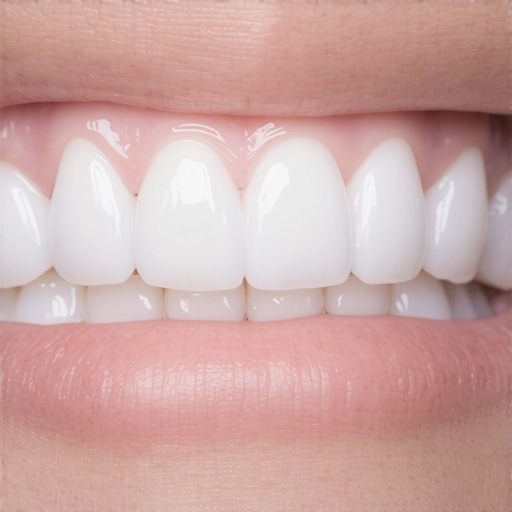
I remember the day I first noticed that faint gray line creeping along the edge of one of my porcelain crowns. It was unsettling—like a tiny crack in my confidence sparking every time I looked in the mirror. I kept wondering, Is this normal? Is my crown failing? Or worse, is this something I should ignore?
Turns out, that little gray line is more common than you might think, and understanding why it appears can save you a lot of worry—and unnecessary dental visits. Today, I promise we’ll dive into what causes that annoying grayish edge near the gum line of your porcelain crown and, most importantly, how you can address it effectively. If you’re tired of hiding your smile or feeling self-conscious during conversations, this guide is for you.
Why Does That Gray Line Appear on My Crown?
The culprit behind that unwanted gray border is often a result of delicate interactions between your crown and the natural tissue around it. Typically, it occurs because of marginal discoloration, which happens when the crown’s edges are closely aligned with your gum line. Over time, tiny gaps—sometimes inevitable due to natural gum recession or wear—allow slight staining from plaque, food, or even the residual coloration of the cement used during placement to seep through. The stark contrast between the crown’s porcelain and these stains creates that visible gray line.
Additionally, the type of crown material plays a role. While porcelain crowns are celebrated for their natural look, their translucency can sometimes reveal underlying issues that are less noticeable with metal or ceramic crowns. My early mistake? Ignoring these signs or assuming that the gray border was just a cosmetic detail—until it became more prominent and harder to ignore. Trust me, taking prompt action makes all the difference.
This problem isn’t just about aesthetics; it can hint at underlying gum recession or cement degradation that might compromise the stability of your crown if left unaddressed. To learn more about the benefits of crowns and how they can transform your oral health, check out why crowns are a game changer.
Is Fixing This Gray Line Really Worth It?
Many folks worry that fixing or replacing a crown is a lengthy, costly ordeal. When I faced my own gray line, I hesitated too—thinking perhaps it was just aesthetic. But delaying could only lead to more gum issues or even damage to the tooth beneath. The good news is, with modern procedures and skilled dental care, restoring that smile isn’t as daunting as it sounds. If you’re feeling anxious about the cost or process, know that consulting a trusted family dentist can clarify your options and guide you toward the best choice.
Prepare for Your Dental Consultation
First, schedule an appointment with an experienced family dentist. Think of this step as assembling your team before a home repair; you want the right experts on hand. Call your dental office through their contact page to discuss your concerns about the gray line. Have a clear description of what you’ve noticed and any other symptoms like gum recession or sensitivity. This step ensures that your dentist understands your specific situation from the start.
Assess Your Oral Health and Crown Condition
During your visit, the dentist will examine your crown and surrounding gum tissue. Expect them to use a mirror and possibly X-rays to evaluate the health of your tooth beneath the crown and detect any underlying issues. To visualize this process, imagine a mechanic inspecting a car engine—identifying wear and tear that isn’t immediately visible. This assessment helps determine whether the gray line is merely cosmetic or indicative of deeper problems like cement degradation or gum recession.
Remove and Reassess the Crown
If the dentist suspects discoloration due to cement or stain buildup, they might gently remove the crown to inspect the margins. This step is crucial; think of it as lifting a piece of wallpaper to reveal hidden damage behind it. With proper tools, the dentist can clean any stains or residue. If they find the crown is still structurally sound with no cement degradation, they might suggest simply reshaping or polishing it.
Decide Between Repair or Replacement
Based on the findings, you’ll consider options. For minor discoloration caused by surface staining or cement residue, a simple polish or application of a composite resin might suffice, akin to buffing out scratches on a guitar. However, if the crown is old, stained beyond cleaning, or has marginal defects contributing to the gray border, replacing it may be best. To understand the differences and benefits of each approach, explore crowns versus veneers.
Address Underlying Gum Issues
Persistent gray lines often signal gum recession or periodontal concerns. Your dentist will examine your gum health and may recommend scaling or other procedures to stop recession. Picture it like tending a garden; removing weeds (gum disease) encourages healthy growth. Managing this step preserves your existing crown and prevents future discoloration.
Implement Daily Dental Hygiene for Long-Term Results
Post-treatment, maintaining excellent oral hygiene is key. Brush twice daily with fluoride toothpaste, floss thoroughly, and consider using an interdental brush to clean around the crown edges. Think of it as regularly tending a garden—consistent care keeps it healthy and vibrant, preventing stains and plaque buildup that cause discoloration. For specific hygiene tips for crowns, visit oral health tips.
Stick to Regular Dental Check-Ups
Finally, schedule routine visits every six months. These check-ups act like annual inspections on a vehicle, catching issues early. Your dentist can monitor the crown’s integrity and address any emerging concerns before they escalate. For insights into maintaining your oral health, browse family dentistry trends.
While many individuals believe they know the essentials of maintaining oral health, several widely accepted myths can lead to overlooked problems or even exacerbate existing issues. For instance, the notion that regular brushing alone suffices for dental hygiene can be misleading; neglecting flossing or professional cleanings may allow plaque buildup to accelerate, leading to cavities or gum disease. In contemporary family dentistry, understanding these nuances is crucial for informed decisions.
Many assume that all dental restorations, like crowns or veneers, last indefinitely. However, the longevity of dental crowns depends heavily on material choice, placement technique, and patient oral hygiene. An advanced mistake I often see is patients delaying replacement, assuming their restoration is permanent; this oversight can lead to complications, including marginal discoloration or recurrent decay.
In the realm of orthodontics, there’s a myth that Invisalign isn’t as effective as traditional braces. While it’s true that Invisalign may have limitations for complex cases, recent innovations have expanded its capabilities significantly. According to experts, when managed by skilled clinicians, Invisalign aligns teeth with comparable precision for many cases, especially when combined with technologies like digital scans and 3D planning. It’s a misconception that this modern solution isn’t suitable for adults seeking discreet orthodontic treatment; in fact, debunked myths reveal its impressive versatility.
Are You Falling for the Costly Trap of DIY Dental Solutions?
An often overlooked nuance involves DIY dental remedies promoted online. Many believe that using household products like baking soda or hydrogen peroxide can substitute professional cleanings or whitening treatments. However, these approaches carry risks, including enamel erosion or gum damage. For safe, effective results, consulting with a licensed family dentist ensures personalized care that addresses root causes rather than superficial fixes. This is especially important when dealing with crowns or aligners, where improper handling can compromise long-term outcomes. Curiously, research indicates that over-the-counter and DIY methods may temporarily improve appearance but seldom resolve underlying issues, highlighting the importance of expert intervention.
To ensure your dental health is on the right track, get familiar with the truth about common misconceptions and stay vigilant against pitfalls. Remember, a well-informed patient makes better choices, ensuring a healthier, more confident smile for years to come. If you’re unsure about your current dental routines or need guidance on family dentistry options, don’t hesitate to reach out to professional experts. Have you ever fallen into this trap? Let me know in the comments.
How do I keep my crowns and Invisalign trays working like new?
Maintaining dental restorations and orthodontic appliances requires more than just regular brushing. I rely heavily on specific tools and techniques to ensure longevity and optimal performance. For crowns, I highly recommend investing in an electric toothbrush with a soft-bristle head, such as the Sonicare ProtectiveClean. Its combination of sonic technology and gentle vibration effectively disrupts plaque without risking damage to both your natural teeth and restorations. As for Invisalign, I swear by using a dedicated ultrasonic cleaner like the Oral-B Ultrasonics device to remove biofilm and residual stains from the aligners, keeping them clear and preventing bacteria buildup.
When it comes to flossing around crowns or braces, traditional floss sometimes isn’t enough. I personally prefer using a water flosser like the Waterpik Sonic-Fusion, which combines flossing and water-jet technology, making it easier to clean hard-to-reach areas and around crowns. This approach reduces the risk of plaque accumulation that may cause discoloration or problems with your restorations.
Beyond tools, I recommend incorporating specific oral care products formulated for restorations and orthodontics. A fluoride rinse, like ACT Restoring Mouthwash, helps reinforce enamel and minimizes staining. For trusted online resources, consulting this guide on choosing the right crown expert can deepen your understanding of how proper tools complement professional care.
What future trends can improve long-term results?
Looking ahead, technology such as AI-powered monitoring apps will likely become part of routine dental care, alerting patients to wear and tear or plaque buildup before it becomes serious. Also, advancements in self-cleaning crown materials infused with antimicrobial properties are on the horizon, promising longer-lasting restorations with less maintenance. The integration of smart wearables that track oral health metrics could revolutionize family dentistry, making maintenance more proactive and personalized.
If you’re serious about keeping your restorations and aligners in top shape, I recommend trying an ultrasonic cleaner for your Invisalign trays. It’s an advanced tip that truly makes a difference in maintaining clarity and health. Remember, consistent, targeted care empowers your smile for the long run. For more detailed advice on crowns, visit how crowns can revolutionize your oral health. Want to learn more? Reach out through this contact page and schedule your next professional cleaning and assessment.
What I Wish I Knew When Facing Gray Margins
Discovering that subtle gray line near my crown taught me that in oral health, even small signs hold powerful messages. The moment I understood that discoloration often signals underlying issues like cement breakdown or gum recession—rather than just a cosmetic flaw—was a revelation. It made me realize the importance of proactive care and trusting my dentist’s expertise. embracing these lessons can save you from more complex problems later on.
Tools and Tips That Changed My Approach to Crowns and Invisalign
From ultrasonic cleaners to water flossers, I found that investing in the right tools vastly extended the lifespan and health of my restorations. Using a sonic toothbrush and a dedicated aligner cleaner kept my crowns bright and my Invisalign trays spotless, reinforcing my commitment to diligent daily routines. These simple yet effective tools empower you to maintain your smile with confidence and ease.
Why Listening to My Dentist Was a Game Changer
Early on, I underestimated the significance of routine check-ups. That oversight almost led to crown failure and ongoing gum issues. It became clear that professional assessments can detect hidden problems before they become painful or costly. Regular visits aren’t just appointments—they’re investments in your long-term oral health and smile vitality.
The Unexpected Wisdom That Kept My Smile Bright
Beyond the gadgets and routines, I learned that consistent, personalized advice from qualified family dentists is invaluable. Whether it’s understanding the longevity of veneers or debunking myths around DIY whitening, expert guidance tailored to my unique needs made all the difference. Staying informed transforms your approach from reactive to proactive, ensuring your smile stays radiant for years to come.