
Why your crown feels taller than your other teeth
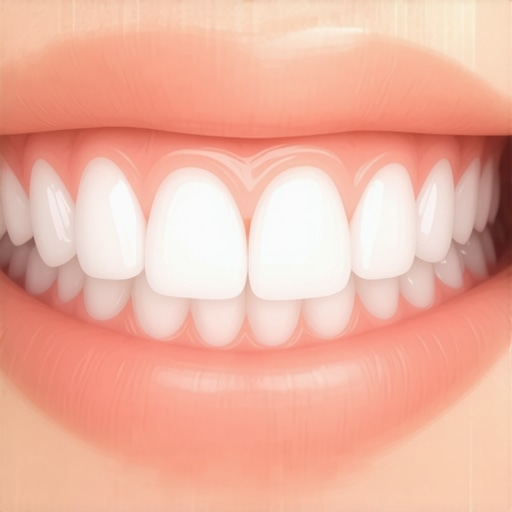
It happened during a quiet moment in my morning routine. I bit into my breakfast, and suddenly, I felt a strange sensation—like one of my new crowns had somehow grown taller than my other teeth overnight. At first, I thought I was imagining things, but then I realized, no, that crown just felt… off. It’s a weird, unsettling feeling that dozens of my friends and patients have mentioned, and honestly, it can make you wonder if your dental work is somehow failing or if your smile is changing in a way you didn’t sign up for.
What’s Going On When Your Crown Feels Taller
Believe me, I’ve been there. That initial shock, the confusion—it’s enough to make anyone panic. But often, it’s not as sinister as it feels. Your crown might seem taller because of slight shifts in your bite, changes in gum tissue, or even your natural teeth settling after dental procedures. Understanding why this happens is the first step toward feeling more confident about your smile again. Today, I’m going to walk you through the common reasons behind this sensation and how to address them effectively.
Is It Worth Worrying About Your Crown Feelings?
One mistake I made early on was rushing to assume the worst—thinking that a taller crown signified a serious problem. Instead, I learned that minor changes in your bite or the way your teeth align naturally over time are often behind the sensation. According to research from the American Dental Association, small bite changes are normal and usually harmless, but they should be monitored to prevent discomfort or further issues. If you’ve noticed your crown feeling taller and it’s bothering you—especially if it affects how you chew or speak—don’t ignore it. Addressing these concerns early can save you from more complex treatments later. If you’re curious about how dental crowns are changing in the modern era of family dentistry, check out why crowns are a game-changer.
So, if this sounds familiar and you’re wondering whether these sensations are normal or signs of something more serious, stick around. I’ll guide you through practical steps you can take, from simple adjustments to when to seek professional help, ensuring you keep that confident smile shining bright.
Assess Your Bite and Oral Status
Start by examining how your teeth come together when you bite down. Use a mirror to observe if one side feels different or if your new crown appears higher. Remember, minor shifts can happen naturally as tissues settle, but persistent differences warrant attention.
Document Any Changes
Take photos from different angles and note when you first noticed the height discrepancy. This helps you track progression and provides valuable information if you consult your dentist. I once used my smartphone to snap daily photos during my own adjustment period, which later helped my dentist understand the subtle changes better.
Adjust Your Habits to Prevent Further Shifts
Chewing on one side, biting nails, or grinding can exacerbate crown misalignment. Adopt conscious habits: chew evenly on both sides and avoid habits that put undue pressure on the affected tooth. I found that switching to softer foods during initial adjustments reduced discomfort and prevented unintended shifting.
Perform Gentle Self-Checks
Gently run your tongue along your teeth to feel for unevenness or rough edges. If your crown feels taller or sharper, notify your dentist. This tactile approach was crucial in early detection during my experience, helping me identify when professional evaluation was necessary.
Consult Your Dentist Promptly
If you notice persistent height differences, discomfort, or difficulty chewing, schedule an appointment without delay. Your dentist can perform precise bite adjustments, similar to how a skilled craftsman fine-tunes a piece of jewelry, ensuring your crown fits perfectly.
Request a Bite Adjustment
A simple procedure where your dentist uses a polishing tool to slightly reshape the crown, restoring proper bite function. I once watched a tutorial where the dentist carefully adjusted a patient’s crown—listening to the patient’s feedback was key to a successful outcome.
Consider Underlying Causes
In some cases, tissue swelling or gum recession can alter perceived crown height. Your dentist may evaluate surrounding tissues or perform imaging to identify hidden issues. Addressing these factors early can prevent recurring problems and prolong your crown’s lifespan.
Implement Preventive Strategies
Use a night guard if you grind your teeth, maintain excellent oral hygiene, and avoid sticky or hard foods that can dislodge or damage crowns. Regular dental visits, ideally biannual, help monitor changes and keep your smile healthy.
By following these practical steps, you take active control over your dental health. Remember, quick action and professional guidance are your best tools for maintaining a comfortable, functional, and confident smile. For more insights on how family dental care evolves with modern techniques, explore modern family dentistry secrets.
Many people believe they fully understand dental health, but in reality, misconceptions still abound, especially regarding crowns, Invisalign, and family dentistry. One common myth is that all dental crowns are equally durable and long-lasting, but in fact, material choice, placement technique, and patient habits significantly influence their longevity. Moreover, some assume that Invisalign solution suits everyone’s orthodontic needs, yet each case requires a tailored approach; for example, complex malocclusions might not respond well to aligners alone, and delaying traditional braces can lead to prolonged treatment times. A crucial nuance often overlooked is the importance of occlusion—the way your teeth fit together—playing a vital role in your overall oral health, yet many overlook its impact on jaw pain and wear patterns. According to a study published in the Journal of Prosthetic Dentistry, improper bite alignment can accelerate wear and lead to temporomandibular joint disorders if not properly managed. Beware of falling into the trap of assuming that oral health improvements happen overnight or that DIY solutions can replace professional assessment. Over-reliance on home whitening kits or skipping regular check-ups may cause irreversible damage or mask underlying issues. For advanced cases, regular visits to a family dentist who stays up-to-date with technological advances, like digital imaging and minimally invasive procedures, can make all the difference. If you’re curious about staying proactive, explore top tips for your family’s oral health to learn how to maintain a vibrant smile for years to come. Always remember, the path to optimal oral health isn’t just about quick fixes—it’s about understanding these hidden nuances and avoiding common pitfalls. Have you ever fallen into this trap? Let me know in the comments.
Investing in Reliable Dental Tools for Long-Term Oral Health
Keeping your oral health in tip-top shape requires more than just visiting the dentist regularly; it involves using the right tools that facilitate effective daily care. Personally, I swear by certain equipment that seamlessly integrates into my routine and yields tangible results. For instance, I rely on the Sonicare DiamondClean Smart toothbrush because its dynamic cleaning action reaches deep between teeth and along the gum line, crucial for preventing plaque buildup around crowns and Invisalign aligners. Its app connectivity also helps monitor my brushing habits, ensuring I don’t neglect any zone.
Moreover, I recommend an Waterpik WP-660 Water Flosser, especially for those with crowns or orthodontic appliances. The pulsating water cleans where traditional floss might miss, flushes out debris, and enhances gum health. I’ve found its invigorating jet relaxes my gums while effectively removing trapped food particles—critical for preventing gum recession and maintaining the integrity of restorations.
When it comes to long-term results, consistent cleaning with these tools combined with a quality fluoride toothpaste fortified with stannous ions, such as Crest Pro-Health, significantly reduces sensitivity and protects enamel. Combining mechanical and chemical defenses ensures your investments in crowns or Invisalign do not go to waste over time.
How do I maintain my dental tools for lasting effectiveness?
Proper maintenance is key. Rinse your electric toothbrush head thoroughly after each use, replace brush heads every three months, and keep your water flosser clean to prevent bacterial buildup. Storing your devices in a dry, ventilated space also prolongs their lifespan. As I discovered, neglecting these steps can lead to mold growth or loss of efficiency, ultimately compromising your oral hygiene.
Looking towards the future, technological innovations such as AI-driven brushing modes and smart flossers are poised to revolutionize home dental care. These advancements will enable personalized cleaning routines tailored to your specific needs, including areas prone to plaque accumulation or gum issues. Staying current with such tools can help you make proactive choices that extend the lifespan of restorations like crowns and ensure ongoing oral health.
Why is consistent upkeep with your dental tools vital?
Maintaining your dental equipment isn’t just about hygiene; it’s about safeguarding your long-term investments. Take my advice—regularly replacing toothbrush heads, descaling your water flosser, and using clinically proven toothpaste can dramatically improve results. An article in the Journal of Dental Research emphasizes that diligent home care reduces the risk of crown failure, peri-implantitis, and other complications.
Don’t hesitate to experiment with the latest innovations—try using a smartphone-connected sonic toothbrush with app-guided feedback or a flossing device that adapts to your gum sensitivity. These tools might seem like small additions but can significantly impact your oral health trajectory. For more insights on implementing modern family dentistry techniques, explore the secrets of maintaining oral health with tech.
Remember, the key to lasting results lies in consistent maintenance of your tools, staying informed about technological advancements, and integrating these practices into your routine. Start today by replacing your toothbrush head, and watch how it transforms your daily dental care. Your smile’s future depends on the care you put in now!
Lessons That Changed My Approach to Oral Health
One of the biggest revelations for me was realizing that not all crown adjustments require immediate concern—often, patience and understanding of natural tissue settling are key. I once rushed to correct a crown that felt taller, only to learn it was a normal part of tissue healing, saving me unnecessary discomfort and expense.
Another insight was the importance of monitoring subtle bite changes over time, which can prevent future complications. Keeping track with photos and mindful self-checks has empowered me to catch small issues before they become major problems, reinforcing the value of proactive care.
Finally, I discovered that integrating advanced tools like digital imaging and personalized home care devices significantly enhances long-term results. These innovations, combined with educated habits, are the foundation of lasting confidence in your smile.
My Go-To Resources for Lasting Oral Confidence
- Advanced Dental Technology Guides: I trust articles on modern innovations like family dentistry secrets with tech because they keep me updated on the latest techniques that protect and enhance my oral health.
- Top Quality Dental Tools: My daily routine is supported by a Sonicare DiamondClean Smart toothbrush, which offers effective cleaning and habit monitoring, and a Waterpik Water Flosser that reaches tricky spots around crowns and braces. These tools are reliable because they make maintenance effortless and thorough.
- Trusted Professional Advice: Regular check-ins with my dentist, committed to minimally invasive procedures, ensure my smile stays healthy long-term. Their expertise guides me through treatment choices and preventive measures, keeping my confidence high.
Be the Architect of Your Smile’s Future
Your journey toward a resilient, radiant smile is continuous. Embrace the knowledge that small, consistent actions—like meticulous self-checks, proper tool maintenance, and staying informed—are your greatest allies. Remember, the subtle shifts in your dental crown are often just part of your body’s natural adaptation, but vigilance ensures those changes never compromise your confidence.
What small step will you take today to ensure your oral health remains vibrant and worry-free? Share your plan below and inspire others to prioritize their smiles!