
The real reason your Invisalign trays are cracking
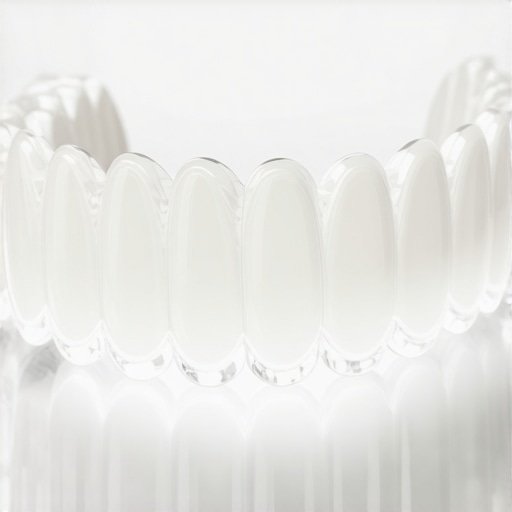
I remember the exact moment I cracked my first set of Invisalign trays—biting into an apple during lunch, only to hear that ominous crunch. At first, I thought I’d just been too eager or careless. But as it turns out, the real culprit was something I was completely overlooking: my own habits and how I was caring for my aligners. Suddenly, my smooth path to a straighter smile felt like it was hitting a dead end, not because the treatment failed, but because of a preventable mistake I made early on.
Why Your Invisalign Trays Might Be Cracking More Than You Expect
If you’re like me, you might assume that Invisalign trays are tough enough to withstand normal daily activities. The truth is, they aren’t indestructible. Many people are surprised to learn that cracking happens more often than manufacturers claim, especially when the trays are exposed to certain stressors or improper care. Small cracks can lead to bigger problems, like ineffective teeth movement or the need for new sets, which can delay your progress and increase costs. Understanding why this happens is critical, and I promise, it’s easier to prevent than you might think.
Is It Really Worth Worrying About Your Invisalign Cracking?
Honestly, I used to dismiss minor cracks, thinking they were just cosmetic. Early on, I ignored tiny chips, assuming they’d fix themselves or weren’t worth bothering about. The mistake? Not replacing damaged trays promptly can compromise your entire treatment. Over time, I’ve learned that even small cracks can harbor bacteria and reduce the aligner’s effectiveness. Plus, problems like cracks can be signs that your trays aren’t fitting correctly, which might be due to certain habits or habits—and that’s what I’ll help you identify today. If you’ve experienced similar issues, you’re not alone. Many patients don’t realize that they’re unknowingly contributing to the deterioration of their trays, leading to costly replacements and prolonged treatment times. To make sure you’re on the right track, I recommend checking out how Invisalign is continuously innovating to improve treatment efficiency, which you can read about here.
But before jumping into solutions, let’s understand what actually causes these cracks and how you might be making the problem worse without realizing it. From biting habits to cleaning routines, small adjustments can make a world of difference in preserving your trays and ensuring your smile transformation stays on schedule.
Customize your approach by avoiding common missteps and adopting better habits. Ready to learn the practical steps that will help protect your investment? Stay tuned—next, I’ll share the key reasons trays crack and simple strategies to extend their lifespan, so you can keep your smile journey smooth and crack-free.
Master Proper Handling During Daily Activities
Think of your Invisalign trays as delicate glassware; they may look tough, but rough handling can cause cracks. I recall a time when I absentmindedly pressed my trays against a hard pizza crust, resulting in a tiny chip. To prevent this, always remove trays before eating or drinking anything other than water. Use your fingertips to gently take them out, avoiding excessive force or bending. This simple step preserves their shape and integrity, ensuring a smoother treatment process. If you often forget, set a reminder on your phone to cue you before meals.
Implement a Correct Cleaning Routine
The way you clean your aligners greatly impacts their durability. I once used a stiff toothbrush and harsh toothpaste, which left micro-scratches that later propagated into larger cracks. Instead, rinse your trays under cold water immediately after removal. Use a soft-bristled toothbrush and a gentle, non-abrasive cleaner—preferably Invisalign’s recommended cleaning tablets. Avoid hot water, as heat can warp the plastic, weakening its structure. When I adopted this gentle approach, I noticed fewer chips and cracks, and my trays lasted longer, saving me money and time.
Avoid Biting or Chewing on Aligners
An uncomfortable truth I learned the hard way: biting on ice or fingernails while wearing trays introduces undue stress. Imagine your aligners like a thin plastic bridge; biting suddenly is akin to flexing a fragile structure, risking cracks. I started consciously resisting the urge to chew gums or pens with my trays in, reinforcing this habit during stressful moments. This ergonomic adjustment protected my trays and kept treatment on track. For added peace of mind, consider using chewable silicone guards if you tend to bite your nails—these act as shock absorbers for your aligners.
Be Cautious with Hot Liquids and Foods
Hot beverages or foods may seem innocuous, but I recall accidentally sipping hot tea with my trays inserted, noticing a slight warping afterward. The heat softened the plastic, making it more prone to cracks. To avoid this, always remove trays before consuming hot or steaming items, and wait until everything cools down. Think of your aligners as a frozen treat; extreme heat can compromise their structure, much like cracking a delicate ice sculpture. Developing this habit reduced unnecessary repairs and kept my smiles aligned as scheduled.
Schedule Regular Check-Ins and Maintain Good Oral Hygiene
While not directly related to cracking, keeping your teeth and gums healthy supports your aligner’s integrity. In my experience, plaque buildup or loose crowns can interfere with tray fit, increasing stress points. Regular visits to your dentist, such as scheduling check-ins at family dentistry clinics, ensure your treatment remains on course. Additionally, brushing and flossing diligently prevent debris from getting trapped between the tray and your teeth, which can cause undue pressure and cracks. Think of it as maintaining the foundation of a house; healthy teeth make for a sturdy base for your aligners. Incorporate this step into your routine to extend the lifespan of your trays and enhance your overall oral health.While many believe they know everything about maintaining oral health or choosing the right dental treatments, misconceptions still persist. A common myth is that Invisalign trays are indestructible, leading some to ignore early cracks or chips, which can compromise treatment outcomes. In reality, plastic aligners are delicate and susceptible to stress, especially when exposed to inappropriate handling or harsh cleaning methods. Challenging this assumption and recognizing the nuanced ways these devices can fail is crucial for optimal results.
Another frequent mistake is underestimating the importance of individualized dental care. Many think that a one-size-fits-all approach works, but advanced dental solutions like crowns demand precise assessment. For example, improper crown fitting can lead to gum recession or secondary decay if not handled with expertise. Understanding the complex interplay between restorations and oral biomechanics helps prevent long-term complications.
In terms of family dentistry, there’s often confusion about what preventive measures truly make a difference. Regular checkups are vital, but neglecting detailed assessments of bite alignment or soft tissue health overlooks potential issues. For instance, subtle signs of gum recession or bite discrepancies can cause uneven wear, leading to premature restorations or TMJ problems if not addressed early.
A sophisticated question that often arises among dental professionals and patients alike concerns the hidden impact of oral microbiota on restorative success. Emerging research indicates that maintaining a balanced oral microbiome not only prevents cavities and gum disease but also enhances the longevity of treatments like crowns and implants. A 2022 study published in the Journal of Dental Research highlights that targeted probiotics can improve tissue healing around restorations, emphasizing the need for a holistic approach to oral health.
Beware of the trap of assuming that consistency in routine is sufficient without understanding the underlying nuances that affect long-term results. For example, overzealous brushing with abrasive toothpaste might seem beneficial but can erode enamel and compromise crowns. Similarly, ignoring subtle signs of gum inflammation can lead to more severe periodontal issues, jeopardizing restorations and overall health.
To elevate your dental care, consider integrating advanced knowledge into your routine. For insights on how innovations are transforming family dentistry and making treatments safer and more effective, check out how Invisalign is shaping the future of family dentistry. Remember, understanding these hidden nuances empowers you to make informed decisions and ensures your oral health investments pay off in the long run. Have you ever fallen into this trap? Let me know in the comments.
How do I maintain my oral health tools over time?
Investing in quality tools is essential for long-term success, especially when managing Invisalign, crowns, or family dentistry routines. I personally rely on a few key pieces of equipment that have made a significant difference in my ability to maintain dental health. Firstly, I use a specialized electric toothbrush with a pressure sensor, such as the Oral-B iO Series. Its ability to monitor brushing force helps prevent gum recession or enamel erosion—common risks when brushing too aggressively. The built-in timers ensure I brush for the full recommended two minutes, which consistency is vital for eliminating plaque and maintaining crown longevity.
Alongside that, I prefer a water flosser like the Waterpik AquaFloss model. It provides a thorough clean around crowns and braces, reaching areas traditional floss might miss. In my experience, regular use of a water flosser reduces the risk of gum issues, which can compromise restorative work like crowns or implants. For storage and sanitation, I ensure my tools are kept in a sanitized, dry environment—using antimicrobial spray regularly to prevent bacterial buildup.
What software or tracking methods help me monitor my dental health progress?
Digital tracking plays a significant role in maintaining the efficiency of my dental routines. I highly recommend using appointment management software like my dental office’s online portal — it helps schedule regular checkups, which are crucial for early detection of potential issues. Additionally, there are apps like MySmileHealth that sync with your dental devices to log daily hygiene routines, reminding you of brush and floss times, and tracking progress with Invisalign aligners.
For measuring long-term results, I take weekly photos of my teeth and compare them using digital tools like SmileCheck, which offers visual progress tracking. This not only boosts motivation but allows me to flag any unexpected changes early, such as crown wear or gum recession. The integration of these tools creates a comprehensive system, ensuring maintenance is both proactive and personalized.
Future trends I see in oral health tools
Innovation is rapidly advancing, with AI-driven diagnostics and smart sensors becoming more affordable and accessible. In the near future, I predict that even more devices will connect to smartphone apps, providing real-time feedback on brushing pressure, plaque levels, and even saliva composition. Wearable sensors embedded in mouthguards or dental retainers could monitor oral tissue health continuously for early detection of issues like decay or inflammation. These developments will empower patients to take better control of their oral hygiene, reducing the burden on dental professionals and improving long-term outcomes.
To get started with enhancing your routine today, try integrating a high-quality electric toothbrush like the latest Invisalign-supported cleaning tools. Regular maintenance with the right tools can make all the difference in preserving your treatment results and overall health. Remember, consistent care today lays the foundation for a healthier smile tomorrow!
The Hidden Lessons I Wish I Knew about Invisalign and Family Dentistry
- Sometimes, the smallest habits can cause unexpected damage—like biting into that crunchy apple and cracking my aligners taught me to be more mindful during meals.
- Ignoring tiny cracks in my trays initially seemed harmless, but they silently compromised my treatment; now I cherish regular checkups to stay ahead of issues.
- Even the best tools need proper handling—gentle cleaning and careful removal of aligners saved me from unnecessary repairs and extended my Invisalign journey.
- Temperature awareness is crucial; hot drinks can warp trays if I’m not cautious, reminding me to always remove my aligners before hot consumption.
- Investing in quality oral health tools like a soft brush and water flosser made a significant difference, reinforcing that good equipment is a long-term asset.
Tools and Insights That Transformed My Approach
- The Oral-B iO Series electric toothbrush, with its pressure sensor, helped me prevent gum damage while maintaining meticulous oral hygiene.
- Using a water flosser like the Waterpik AquaFloss complemented my brushing routine, reaching areas that traditional floss missed and improving crown longevity.
- Tracking progress with digital apps like SmileCheck kept me motivated and allowed early detection of any subtle changes in my dental health.
- Reading about innovations in Invisalign and family dentistry through trusted sources like this article expanded my understanding and kept me inspired.
Your Path to a Healthier Smile Starts Today
Embracing new habits and tools can seem daunting at first, but small consistent steps lead to lasting improvements. Remember, your journey in oral health, Invisalign, and family dentistry isn’t just about aesthetics—it’s about confidence, comfort, and well-being. Take charge now, and let your smile be a testament to your care and commitment.
What have you learned recently about maintaining your dental health that changed how you care for your smile? Share your insights below—I’d love to hear your story!
,