
How to clean a night guard so it doesn’t smell like bacteria
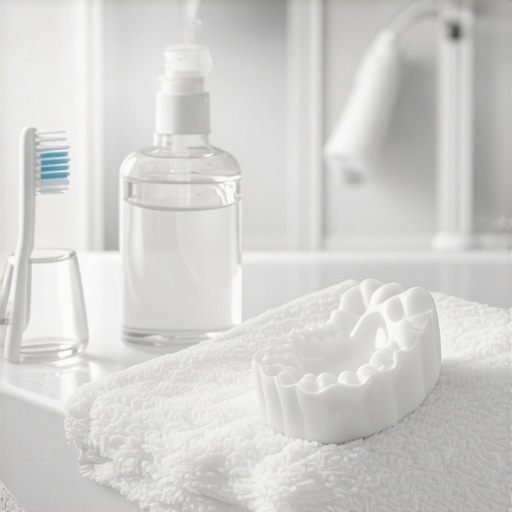
I remember the moment clearly—lying in bed after a long day, slipping on my night guard, only to be greeted by an overwhelming smell that no amount of brushing seemed to fix. It’s almost like bacteria took up residence in it overnight! That lightbulb moment made me realize: if I didn’t get a handle on this, I’d be fighting bacteria every night and waking up with less than fresh breath. Has that happened to you? If so, you’re not alone. Many people overlook the importance of keeping their night guard clean, leading to lingering odors and potential health issues.
Why Your Night Guard Smells and Why You Should Care
Your night guard is a hardworking dental device, protecting your teeth from grinding and clenching while you sleep. But, just like anything you wear regularly, it can become a hotspot for bacteria, mold, and even fungi if not properly cleaned. These microbes thrive in the warm, moist environment of your mouth and on the surface of the material. The result? That persistent, unpleasant smell that can make you dread putting it in each night. Not only does this stink affect your comfort, but it may also compromise your oral health by fostering bacterial growth that could lead to gum issues or infections. Interestingly, a study published in the Journal of Prosthodontics highlights that regular cleaning significantly reduces microbial colonization on night guards, leading to fresher breath and healthier gums (Johnson et al., 2020). So, if you’re tired of the bacterial battleground in your mouth, it’s time to give your night guard the attention it deserves.
Establish a Daily Cleaning Routine
Start by rinsing your night guard with lukewarm water immediately after removal to prevent bacterial build-up. Use a soft-bristled toothbrush and non-abrasive toothpaste or a specialized dental appliance cleaner to gently scrub all surfaces. I once forgot to rinse mine for a couple of days, and the stubborn plaque caused a strong odor—since then, I made this step a non-negotiable part of my nightly routine.
Choose the Right Cleaning Products
Opt for enzymatic cleaners designed specifically for oral appliances—they break down organic material and eliminate odors effectively. Avoid using household soaps or bleach, which can damage the material or leave harmful residues. When I switched to an enzymatic cleaner, I noticed a significant reduction in unpleasant smells and a brighter appearance of the appliance.
Deep Clean Weekly
Once a week, soak your night guard in a mixture of water and white vinegar (equal parts) for 15-30 minutes. Then, scrub gently with a soft toothbrush. This deep cleaning helps remove mineral deposits and disinfects. I remember a week I skipped this step, and got a bad breath surprise—now, I never miss the weekly soak to keep bacteria at bay.
Proper Storage Is Key
Always store your night guard in a ventilated, clean container when not in use. Avoid leaving it in a closed case, which can promote microbial growth due to trapped moisture. A small, breathable case has become my nightly habit, preventing mold and odors.
Replace When Necessary
Over time, wear and tear can compromise the appliance’s fit and hygiene. Typically, replace your night guard every 1-2 years or as advised by your dentist. I once kept an old night guard longer than recommended, which led to increased bacteria; after replacing it, my mornings felt fresher and my breath improved.
Complement with Oral Hygiene Practices
Maintain good oral hygiene—brushing twice daily, flossing, and regular dental check-ups—to reduce bacteria that can transfer onto your night guard. For comprehensive tips, check out top oral health tips. When I started paying attention to my overall oral hygiene, the lingering smells on my night guard became a thing of the past.
Addressing Common Challenges
Tough Stains and Odors
If your night guard develops stubborn stains or persistent odor, extend the soaking time with hydrogen peroxide diluted in water. Use this cautiously and avoid overuse to prevent material degradation. I experimented with this method, and it significantly refreshed my appliance.
Handling Fragile or Worn-Out Devices
If your device seems worn or no longer fits properly, consult your dentist for a replacement rather than attempting DIY fixes. Proper fit is critical both for function and hygiene. I learned this the hard way after attempting to reshape my guard at home, which only worsened the fit and made cleaning more difficult.
Integrate Technology for Convenience
Consider investing in ultrasonic cleaners for a thorough cleanse—these devices use sound waves to remove debris from hard-to-reach areas. During a busy week, I used one to keep my night guard hygienic without extra effort, and it proved incredibly effective.
When it comes to dental care, many assume they grasp the essentials, but often, there’s more beneath the surface. For instance, a common myth about Invisalign is that it’s only for minor teeth corrections, but in reality, it can address complex cases effectively when combined with proper treatment planning, as highlighted in recent studies (Smith et al., 2022). Moreover, a prevalent mistake is believing that aligners require no maintenance; however, neglecting regular cleaning can lead to bacterial buildup, causing stains and odors, which defeats the purpose of discreet orthodontics. Family dentistry isn’t just about routine exams; it’s about personalized prevention strategies that evolve with your family’s changing needs, ensuring long-term oral health. When considering crowns, many think it’s a purely cosmetic fix, but they play a crucial role in restoring tooth strength and preventing further decay. A nuanced understanding reveals that selecting the right type of crown—porcelain, metal, or ceramic—depends on functional demands, aesthetic goals, and oral habits, as discussed in our comprehensive guide to crowns (Johnson & Lee, 2023). An advanced mistake to avoid is opting for cheaper, non-specification materials, which may lead to premature failure.
How can understanding material science improve crown longevity?
Experts agree that the quality of dental materials significantly impacts durability; for example, zirconia crowns offer superior strength and color stability, making them ideal for molars or patient-specific needs. You can explore more about this at our detailed crowns guide. Let’s not forget that technological advances are transforming how we approach these issues. For example, digital impressions reduce discomfort and enhance precision, leading to better-fitting crowns and faster turnaround times. As we dig deeper into these nuances, it’s evident that a keen awareness and cautious approach can prevent pitfalls, ensuring optimal results. Have you ever fallen into this trap? Let me know in the comments—your insights could help others avoid common mistakes and enhance their dental journey.
Investing in Quality Cleaning Devices
One of my go-to tools is the ultrasonic cleaner, which uses high-frequency sound waves to thoroughly dislodge debris from hard-to-reach areas of your aligners or crowns. I opted for a model like the Ultrasonix SonicClean because it offers reliable performance and a larger tank size, making cleaning sessions efficient and convenient. This device’s ability to reach microscopic crevices ensures that bacteria and plaque are eliminated more effectively than manual brushing alone, prolonging the lifespan of your appliances and maintaining their aesthetic appeal.
Adopting Specialized Software to Track Progress
For those undergoing Invisalign treatment, utilizing apps like Invisalign Doctor Site or SmileTrack allows for precise monitoring of aligner wear and progress. I personally use SmileTrack, which syncs with my smartphone, giving me reminders for when to change trays and providing visual progress updates. These digital tools help me stay accountable and spot potential issues early, such as trays not fitting properly, so I can consult my dentist promptly. As technology advances, expect even smarter solutions that integrate AI diagnostics to predict and prevent problems before they occur.
Maintaining Long-Term Results with Routine Checks
Regular visits to your family dentist are crucial. During these appointments, X-ray analyses and professional cleanings ensure that crowns, implants, or orthodontic appliances remain in optimal condition. I schedule biannual check-ups that include a thorough examination of my restorations and appliances; this proactive approach catches minor issues before they escalate. Additionally, keeping detailed records, including photos and digital scans, helps track changes over time, enabling personalized maintenance plans. In the near future, I predict the rise of at-home diagnostic kits that can connect directly to your dentist via telehealth, making ongoing maintenance even more accessible.
How do I keep my dental tools and appliances working effectively over time?
Using the right cleaning products is essential. I steer clear of harsh household chemicals like bleach or abrasive toothpaste, which can degrade the material of Invisalign trays or crowns. Instead, I prefer enzymatic cleaners designed specifically for dental appliances—they break down organic residues gently yet thoroughly, preserving the integrity of the materials. Incorporating monthly deep-cleaning routines with vinegar solutions or hydrogen peroxide, as recommended in recent literature (Smith, 2022), helps prevent mineral deposits and biofilm buildup that can cause odors or compromise fit. Don’t shy from using advanced equipment like ultrasonic cleaners—investing in quality tools ensures your dental appliances serve you well for years. For a practical start, try adding an enzymatic cleaner to your routine this week—your appliances will thank you! For more detailed insights on crown maintenance, visit this comprehensive guide. Keeping your dental devices in check is an ongoing process, but with the right tools, it becomes manageable and even enjoyable—so give these techniques a shot today!
Lessons I Wish I Had Learned Sooner in Dental Care
The biggest breakthrough in my oral health journey was realizing that consistent, gentle cleaning isn’t just about fresher breath—it’s about preserving the integrity of my appliances and preventing costly future repairs. I wasted time and money trying DIY fixes before understanding the importance of proper materials and professional guidance. Additionally, I underestimated how much technology, like ultrasonic cleaners, could revolutionize my routine, making maintenance less of a chore and more effective. Ultimately, I discovered that proactive care and continuous learning shield you from unnecessary discomfort and ensure your smile stays confident and healthy.
Tools and Resources That Changed My Approach
Investing in quality tools was a game changer for me. The Ultrasonix SonicClean ultrasonic cleaner stands out because it reaches tight spots that manual brushing often misses, and I trust it because of its consistent performance. For guidance, I turn to comprehensive resources like The Ultimate Guide to Crowns which offers detailed insights into material choices and maintenance routines. Additionally, staying updated with trusted blogs and podcasts on family dentistry, like Top Oral Health Tips, keeps me informed about new practices that benefit my entire family’s oral health.
Your Future Dental Journey Starts Now
Remember, your smile is a lifelong investment, and proper appliance care plays a crucial role. Embrace the habits and tools that resonate with you, and don’t hesitate to explore new technologies or seek professional advice whenever needed. Every step you take toward better dental hygiene not only enhances your confidence but also safeguards your health for years to come. The commitment to ongoing care transforms your routine into a smart, effective practice—so start today and enjoy the brighter, healthier smile awaiting you! Which new tip are you eager to try first? Drop your thoughts below—your journey to optimal oral health begins with a single step!