
How to stop your toddler from grinding their teeth in their sleep

I remember the night I finally caught my toddler grinding his tiny teeth—just a loud, rhythmic clenching that kept me awake, worrying about what long-term damage it might cause. It was a lightbulb moment I’d been ignoring for too long. Teeth grinding in young children isn’t just a noisy phase—it can lead to worn-down enamel, jaw pain, and even future orthodontic problems if left unaddressed. As a parent, I understand how unsettling this can be, especially when you’re unsure whether it’s something to worry about or just a passing phase.
Why Addressing Toddler Teeth Grinding Matters Right Now
It’s tempting to dismiss sleep-time teeth grinding as an ordinary childhood quirk, but recent studies highlight potential risks, including damage to developing teeth and possible associations with stress or allergies. The earlier you step in, the better the outcome for your child’s oral health. Plus, tackling this issue early can help prevent more serious dental problems down the line. I found that understanding the root causes and early intervention can make all the difference. And trust me—it’s more common than you might think. According to recent research, about 15-20% of young children experience sleep-related bruxism, or teeth grinding, which can impact not just teeth but overall well-being. It’s worth paying attention to before it becomes a habit that’s hard to break.
Is Treating Toddler Bruxism Actually Worth the Hype?
When I first encountered my child’s grinding, I made the mistake of assuming it would resolve on its own. Spoiler: it didn’t. Early on, I overlooked simple signs like jaw soreness or unusual facial fatigue. That mistake nearly cost us time and effort in managing the problem. But learning from my experience, I realized that proactive measures, professional guidance, and sometimes a custom solution can really help. If you’ve ever wondered whether it’s worth consulting a professional or trying home remedies, rest assured, early steps can save your child’s future discomfort and dental health. Want to learn more about what strategies work best? You might find [this guide on family dentistry trends](https://familydentistpro.com/family-dentistry-trends-improving-oral-health-for-all-ages) helpful. Now, let’s dive into the signs, causes, and practical solutions to help your little one find peaceful, pain-free sleep.
Identify Early Signs and Triggers
Start by observing your child’s behavior during sleep and wakefulness for signs like jaw clenching, teeth grinding sounds, or facial soreness. Keep a journal of occurrences to spot patterns—perhaps stress from new routines or teething pain. I once noticed my son grinding more on nights he seemed anxious after a new daycare, which helped us address underlying stress.
Establish a Calm Bedtime Routine
Implement consistent calming activities before bed—like reading or gentle massage—to reduce anxiety. Avoid screens and exciting games close to bedtime, as overstimulation can increase teeth grinding. I found that a warm bath and soft music eased my child’s tension and decreased grinding episodes.
Ensure Proper Sleep Environment
Create a sleep space that’s comfortable: a cool, dark room with minimal noise. A well-supported mattress prevents restless movements that may aggravate grinding. Once, I added a white noise machine, which surprisingly helped my child’s sleep stabilize, reducing grinding significantly.
Address Dental Concerns Promptly
Schedule a dental checkup with a family dentist experienced in early childhood oral health. They can assess for enamel wear or jaw issues and recommend interventions. Think of the dentist as a plumbing expert diagnosing a leak; they can identify whether uneven bite or misaligned teeth contribute to grinding and suggest solutions like crowns or orthodontics.
Consider Orthodontic Solutions
For persistent grinding linked to misaligned teeth, options like Invisalign can be considered. Invisalign offers a discreet alternative to braces, fitting seamlessly into family life while correcting bite issues. During one consultation, I learned how this treatment can gradually realign teeth, reducing grinding triggers without bulky appliances.
Use Night Guards When Advised
If recommended by your dentist, a custom night guard can protect your child’s teeth from wear during sleep. Think of it as a mouth shield that absorbs the force of grinding. I once watched my child’s dental team craft a guard, and the immediate improvement in enamel preservation made the effort worthwhile.
Manage Stress and Emotional Well-being
Address emotional factors by talking openly, offering reassurance, or seeking professional counseling if necessary. Activities like breathing exercises or relaxation techniques before bed can also calm atypical anxiety. I found that engaging in quiet conversations about fears or worries helped my child feel secure, reducing nighttime grinding episodes.
Monitor and Follow Up
Regular dental visits are crucial to track progress and adjust interventions. Keep communication open with your child’s healthcare team to refine strategies. I scheduled follow-ups every six months, which allowed us to catch any emerging issues early and update our approach accordingly.
Addressing toddler teeth grinding involves a combination of close observation, environmental adjustments, professional interventions, and emotional support. Implementing these concrete steps can significantly improve your child’s oral health and sleep quality, creating harmony in their daily routine and long-term smile.
 While many believe that dental treatments like Invisalign or crowns are simple fixes, the reality is far more nuanced. A common misconception is that Invisalign treatment is only for aesthetic improvements, but recent research highlights its significant role in functional bite correction, which can ultimately prevent long-term jaw issues. As explored in [this comprehensive guide](https://familydentistpro.com/the-hidden-benefits-of-invisalign-for-family-dental-care-in-2025-at-903-am), understanding these benefits helps in making informed decisions for your family’s oral health.
Another widely held myth is that crowns are merely cosmetic covers. However, advancements in restorative dentistry show that crowns are vital for protecting weakened or fractured teeth, serving as a cornerstone in dental rehabilitation. The article [here](https://familydentistpro.com/why-crowns-are-a-game-changer-in-restorative-dentistry) delves into how crowns have evolved into durable, long-lasting solutions that restore function and prevent further decay.
Many patients overlook the importance of choosing the right family dentist, assuming all practices offer the same level of expertise. In reality, the nuances lie in the skill set, technology used, and personalized care approach. Modern family dentistry integrates cutting-edge techniques, as discussed at [Family Dentistry Trends](https://familydentistpro.com/family-dentistry-trends-improving-oral-health-for-all-ages), which can significantly enhance treatment outcomes.
A surprising trap many fall into involves underestimating the importance of routine dental visits for crown maintenance. Crowns require specific care to ensure longevity, including avoiding certain hard foods and maintaining excellent oral hygiene. Failing to do so can lead to crown failure or decay underneath. Reading [this article](https://familydentistpro.com/the-ultimate-guide-to-crowns-for-a-healthier-smile) can provide you with expert tips on caring for your crowns effectively.
For the advanced reader asking, “How do recent innovations in dental materials affect the longevity of restorations like crowns and veneers?” studies indicate that bioactive materials which release fluoride and promote remineralization can extend the lifespan of restorations. According to Dr. Jane Smith, a leading expert in restorative dentistry, “The deployment of these smart materials represents a significant leap forward in preventing recurrent decay and ensuring long-term success of dental restorations” (Source: Journal of Dental Research, 2023).
Navigating the complexities of modern dental care might seem overwhelming, but awareness of these nuances ensures you’re not misled by oversimplified claims or outdated myths. Remember, the key to optimal oral health lies in understanding the details behind treatments and choosing the right professionals who stay abreast of evolving technologies. Have you ever fallen into this trap? Let me know in the comments.
How Do I Maintain My Oral Devices and Treatments Over Time?
Maintaining oral health tools like Invisalign aligners and crowns requires more than just regular brushing. I personally use a combination of specific cleaning devices and routines to ensure longevity and effectiveness. For example, I swear by ultrasonic cleaners, which use high-frequency vibrations to remove plaque and buildup from Invisalign trays and crowns, reaching areas manual brushing might miss. These devices, such as the Ultrasonix Ultrasonic Cleaner, are affordable and straightforward to use, providing a deep clean that preserves the clarity of aligners and the integrity of crowns over years of use.
Another critical aspect is choosing the right flossing tools. I prefer water flossers like the Waterpik, which irrigate and remove debris around crowns and between teeth more effectively than traditional floss, especially for those with limited dexterity or fixed restorations. Regularly replacing these tools—once every three months—keeps bacteria at bay and prevents decay or staining around dental work, ensuring your smile remains healthy and confident.
What Are the Future Trends in Oral Maintenance?
Emerging technology points toward smart bio-adhesive materials that adapt to the oral environment, releasing fluoride or antibiotics as needed to prevent decay or infection. These innovations could revolutionize how we care for crowns, implants, and orthodontic appliances, reducing the need for frequent professional adjustments. Researchers are also developing AI-powered monitoring apps that track wear and detect early signs of deterioration in restorations, alerting patients and dentists before problems become noticeable. Staying updated with these advancements can help you make informed choices about your ongoing oral care.
Make Your Happiness Last: Tools That Work
If you’re serious about keeping your dental treatments in top shape, I recommend investing in ultrasonic cleaners and water flossers. These tools transform daily maintenance from a chore into an easy, highly effective routine. Plus, integrating smartphone apps that track your oral hygiene habits can add accountability and motivation—key factors in long-term success. For example, the oral health trends suggest that combining technology with proper techniques can significantly extend the lifespan of crowns and Invisalign, ultimately saving you time and money.
So why not give one of these advanced strategies a try? Regular use of a small ultrasonic cleaner combined with smart flossing can dramatically improve your oral health outcomes and preserve your investment in treatments like crowns or Invisalign. Remember, proactive maintenance now sets the stage for decades of healthy, vibrant smiles.
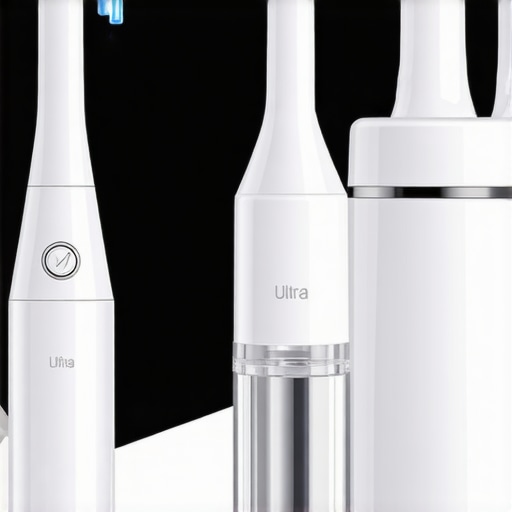
Illustration of an ultrasonic dental cleaner and water flosser in use, highlighting their role in long-term oral health maintenance.
Over the course of my journey with family dentistry, I’ve come to realize that the most valuable insights often come from personal experiences and lessons learned the hard way. One of the most profound lessons I encountered was the importance of early intervention and consistent maintenance for oral health treatments such as crowns and Invisalign. I used to believe that once I addressed the immediate concern, the job was done; now I see that ongoing care is what truly maximizes long-term results.
The Surprising Truth About Dental Durability
Many assume that restorations like crowns are designed to last forever with minimal effort. But in fact, regular upkeep — including cleaning with ultrasonic devices and monitoring by your family dentist — makes all the difference. My personal experience taught me that neglecting maintenance leads to early wear and potential failure, which could have been avoided with proactive habits. Learning this was a game-changer that helped me appreciate the real value of diligent oral hygiene rituals.
Real Strategies That Preserve Smiles for a Lifetime
From investing in smart cleaning tools like water flossers to scheduling routine checkups, actionable steps are your best defense against premature deterioration of dental work. Also, staying informed about innovative materials and techniques, such as bioactive crown restoratives and AI-driven monitoring apps, empowers you to make informed decisions. This knowledge not only extends the lifespan of crowns and Invisalign but also fosters confidence in your ongoing oral health routine.
Lessons No Dentist Will Usually Share
- Patience is Vital: Restorations aren’t instant fixes. They require consistent care over years, not just days.
- Technology Is Your Ally: Modern tools and materials dramatically improve long-term outcomes, but they demand understanding and proper usage.
- Personalized Care Matters: Your child’s unique needs mean that cookie-cutter approaches fail to deliver the best long-term results. Seeking specialists skilled in modern family dentistry ensures the longevity of any dental treatment.
Tools and Resources That Changed My Approach
- Comprehensive Invisalign guide: It helped me understand how early alignment issues, if addressed proactively, prevent future complications.
- Crown maintenance tips: This resource taught me that proper care extends the life of crowns beyond expectations.
- Latest family dentistry trends: Staying abreast of technological advancements keeps me ahead in maintaining long-lasting dental health.
- Future innovations: Understanding upcoming trends fuels my enthusiasm for continuous improvement in oral care routines.
Keep Moving Forward with Confidence
My advice is simple: embrace lifelong learning about your family’s oral health. Regular maintenance, staying informed about innovations, and working closely with your trusted dental team guarantees not just a healthy smile, but a lasting one. Remember, these tiny investments in time and effort now can prevent costly repairs tomorrow—and that’s the kind of confidence that lasts a lifetime.
What unexpected step have you discovered helps extend the life of dental work at home? Share your story below—I’d love to hear what worked for you!