
The Invisible Signs Your Dental Bridge Is Failing
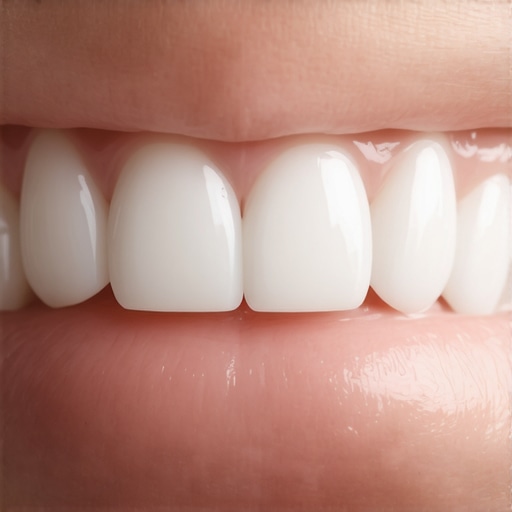
It was a typical Thursday morning when I first noticed it—an odd sensation in my mouth that I initially waved off as nothing more than sensitivity. But as days went by, that strange feeling became more persistent, almost like a dull ache that refused to go away. No visible signs, no swelling—just this nagging discomfort that kept me guessing. It was a lightbulb moment for me, realizing that sometimes, our mouths whisper clues long before they scream for help.
Why Ignoring These Subtle Signals Can Lead to Bigger Problems
I’ve learned the hard way that failing dental bridges don’t always announce themselves with obvious symptoms. Often, they hide in plain sight, giving us tiny hints that something’s off. If you’re like me, you may have experienced sudden sensitivity to hot or cold foods, a slight shift in how your teeth fit together, or even the development of a persistent bad taste—Signs that your dental bridge might be losing its grip.
According to a study published by the American Dental Association, routine check-ups can catch these issues early, saving you from unnecessary pain and costly repairs. However, many overlook these signals until more severe damage occurs. That’s why being attentive to these invisible signs is crucial for maintaining your oral health.
Have You Faced This Problem?
Trust me, recognizing these signs early made all the difference for me. If you’ve ever felt a similar discomfort or noticed your bridge feeling less secure, don’t dismiss it. The longer you wait, the more complicated the repair, and the greater the risk to your overall dental health. Curious about what steps to take next? Stay tuned—I’ll guide you through easy, effective methods to assess and address potential issues with your dental bridge.
Inspect Your Dental Bridge Carefully
Start by gently feeling your dental bridge with your tongue, paying attention to any looseness or movement. Use clean hands and mirror to visualize if the bridge seems shifted or if there’s gaps between the bridge and your gums. Remember, a loose bridge can mimic the feel of a wobbly crown, but the key is noticing if it moves when you chew or tap it lightly. I once noticed my bridge felt slightly different after eating, prompting me to examine it closely—this quick check saved me from more costly repairs later.
Assess for Signs of Damage or Wear
Look for visible cracks, chips, or rough edges on your bridge. Sticky or discolored spots underneath can suggest bacterial buildup or decay. If your bridge feels uneven when biting, it might indicate it’s shifting or damaged. Sometimes, food particles lodge under the bridge, creating discomfort and harboring bacteria. Regularly examining your dental work is like inspecting a sturdy fence—small issues left unchecked can escalate into significant problems.
Implement Immediate Care Steps
If your bridge feels loose but isn’t visibly damaged, avoid chewing hard foods until you consult your dentist. Rinse your mouth with warm saltwater to reduce irritation and bacteria. Do not attempt to re-cement or fix the bridge yourself; this could cause further damage. When I experienced my own loose bridge, I used saltwater rinses and avoided sticky foods, which helped prevent additional loosening until professional help was available. Remember, quick and gentle actions protect your oral health and prevent more serious consequences.
Schedule Prompt Dental Evaluation
Contact your family dentist promptly through this link to arrange an assessment. During the appointment, your dentist will examine the bridge and determine if it needs re-cementing, repair, or replacement. They might also check for underlying issues like decay or bone loss that could weaken the support. In my case, the dentist identified a small cavity under the bridge, which, if left untreated, could have caused total failure. Regular check-ups are your best defense against silent, progressive damage.
Discuss Long-Term Solutions
If your bridge is repeatedly coming loose or shows signs of deterioration, consider restorative options like crowns or implants. Crowns are a durable choice that encase the remaining tooth structure, providing stability and protection against further decay. To explore these options, visit this detailed guide. My experience with a crown after repeated bridge issues was positive—I gained confidence in my smile and reduced future risks.
Maintain Your Oral Health to Prevent Future Issues
Consistent oral hygiene is essential. Brush at least twice daily with fluoride toothpaste, paying special attention around restorations. Floss gently but thoroughly to dislodge food trapped under the bridge. Incorporate mouth rinses and consider using interdental brushes for hard-to-reach areas. Regular dental visits ensure early detection of problems, much like routine vehicle maintenance keeps your car running smoothly. I schedule biannual cleanings, which significantly decrease the chance of unexpected repairs.
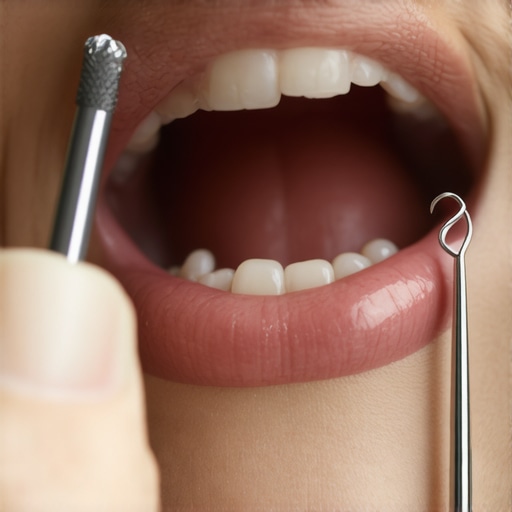
Many people believe they fully understand oral health basics, but in reality, some common myths and oversights can lead to future complications. For example, the misconception that dental crowns are purely cosmetic neglects their vital role in restoring tooth function and preventing further decay. As an expert, I can tell you that choosing the right crown material and understanding the long-term maintenance requirements are more nuanced than simply selecting an aesthetic option. Learn more about why crowns are essential for durable dental restoration and avoid costly mistakes.
Why Are Patients Still Falling For Invisalign Myths?
Despite widespread information, many believe Invisalign is only suitable for minor teeth corrections or can’t handle complex cases. This oversimplification can prevent individuals from exploring effective options for more aligned smiles. The truth, supported by clinical studies, is that Invisalign’s capabilities have expanded significantly, allowing for a broad spectrum of orthodontic improvements, even in adult patients with complex dental issues. Misconceptions about its limitations often result in choosing less effective treatments or delaying proper care, which can worsen outcomes over time.
The Hidden Danger of Ignoring Advanced Oral Health Nuances
One often overlooked aspect is the importance of understanding individual anatomical variations. For example, variations in jawbone density can influence the success of procedures like dental implants or the stability of Invisalign aligners. Overlooking these nuances may lead to implant failure or prolonged treatment times. A recent study by the Journal of Oral Implantology emphasizes that personalized assessments and tailored approaches minimize complications and improve longevity, highlighting the need for comprehensive diagnostics beyond standard X-rays. Always consult your dentist about the specifics of your anatomy to ensure a successful outcome.
Common Pitfalls in Family Dentistry and How to Prevent Them
Many assume that once children lose their baby teeth, regular visits become unnecessary. However, early dental visits can detect developmental issues like misaligned bites or early signs of decay that can be corrected before they worsen. Additionally, neglecting gentle yet thorough cleaning routines can lead to cavities and gum problems. Quality family dentistry now incorporates modern tools and techniques—like digital imaging—that make early detection more accessible. Regular check-ups at trusted practices help prevent these silent issues from escalating, ensuring healthier smiles for everyone in the family.
The Advantage of Staying Informed and Proactive
Remaining educated about your oral health options empowers you to make better decisions and avoid costly mistakes. For instance, understanding the differences between crowns and veneers can guide you toward the most suitable solution for your aesthetic and functional needs. Consider exploring this comparison of crowns and veneers. By staying proactive, you can prevent issues from developing into emergencies, saving time, discomfort, and money. Remember, your mouth is a gateway to overall health—investing in informed choices is an investment in your well-being.
Have you ever fallen into this trap of misconceptions in your dental journey? Let me know in the comments and share your experiences. Knowing these hidden nuances can make all the difference in achieving a lifetime of healthy, confident smiles.
Maintaining optimal oral health requires more than just regular brushing and occasional dental visits. Investing in the right tools and adopting effective routines can significantly extend the lifespan of restorations like crowns, ensure treatments such as Invisalign work effectively, and keep your family’s smiles healthy over the years.
Why I Trust My Dental Monitoring System
For consistent at-home check-ins, I rely on the Dental Monitoring App. This innovative software uses AI algorithms to analyze photos of my teeth, highlighting early signs of wear or issues before they become painful. By capturing weekly images with my smartphone and uploading them via the app, I receive expert feedback without leaving home. This proactive approach allows me to schedule timely appointments, preventing small problems from escalating. As technology advances, I predict more practices will integrate AI-powered tools for remote monitoring, making maintenance seamless and more affordable.
The Equipment That Keeps My Smile Healthy
High-quality ultrasonic toothbrushes, like the Oral-B iO, are game changers because they remove plaque more effectively than manual brushes, especially around crowns and implants. I personally prefer models with Wi-Fi connectivity and feedback features, which provide real-time guidance and ensure thorough cleaning. Additionally, water flossers like the Waterpik Sonic-Fusion help dislodge debris under restorations and between teeth—something traditional flossing might miss in hard-to-reach areas. Regular use of these tools has helped me prevent periodontal issues and prolong the longevity of my dental work.
Why Regular Maintenance Is Critical
Beyond tools, consistent professional care remains essential. Scheduling biannual check-ups allows your dentist to detect subtle wear, micro-cracks, or bacterial buildup that could compromise your crowns or Invisalign aligners. Dentists may also use advanced diagnostics, like 3D imaging, to monitor bone health and alignment status over time. Remember, early detection is key—if you notice your crown feels loose or you experience persistent discomfort, don’t wait. Contact your family dentist for an evaluation.
Long-Term Results Require Focused Action
To maximize the life of your dental restorations and orthodontic devices, consider routine maintenance routines tailored for your specific needs. For example, I personally schedule monthly check-ins with my dental hygienist to receive professional cleanings and personalized advice about products that suit my oral environment. When it comes to Invisalign, I follow the recommended wear schedule meticulously, ensuring consistent results and avoiding setbacks. Additionally, incorporating a fluoride rinse after brushing can strengthen enamel and prevent cavities in hard-to-clean areas around crowns or braces.
What’s Next in Oral Health Care Technology?
Future innovations, like smart whitening devices and AI-driven diagnostic tools, promise to further personalize dental care, reducing the need for invasive procedures. A recent report from the Johnson Institute of Dental Research highlights that wearable sensors tracking bite force and jaw movement could soon become common, helping practitioners tailor treatments more precisely. I recommend trying out a smart plaque detector or scheduling an expert evaluation of your current tools to see how they can improve maintenance routines.
How do I maintain my dental tools over time? Hire a professional to sanitize and calibrate electronic devices regularly, and ensure manual tools are replaced when worn. Proper storage—in dry, cool places—also extends their effectiveness. Using the right combination of high-tech gadgets and routine professional care ensures your oral health remains optimal, preventing costly repairs and improving long-term results.
Lessons That Changed My Smile Perspective Forever
- Choosing the right restorative solution isn’t just about appearance; understanding the long-term maintenance can save you from costly repairs or discomfort later on. My first crown seemed like a quick fix, but I overlooked the importance of material quality and proper care, leading to issues down the line.
- Misconceptions around Invisalign often prevent people from considering this orthodontic option seriously. I believed it was only for minor adjustments until I learned how advances have made it suitable for more complex cases, transforming my approach to orthodontics.
- Neglecting the subtle signals your mouth sends—like slight shifts or discomfort—can lead to bigger problems. Paying close attention early on can mean the difference between a simple fix and a more invasive procedure.
My Go-To Resources for Smarter Dental Decisions
- This detailed guide on dental crowns helped me understand material options and longevity, empowering me to choose wisely and communicate better with my dentist.
- For orthodontics, Invisalign myths debunked provided clarity on what to expect, saving me from unnecessary doubts and enabling a more informed decision about my smile.
- The top oral health tips for families kept my entire family’s dental health on track, making dental care less daunting and more effective for me and my loved ones.
This Is Your Invitation to Elevate Your Dental Game
Taking control of your oral health with informed choices and proactive care isn’t just about a beautiful smile—it’s about overall well-being and confidence. Embrace the knowledge I’ve shared and start making smarter, more confident decisions today. Your next visit to the dentist could be the game-changer you need for a healthier, happier smile. Remember, investing in your dental health now pays dividends in comfort and self-assurance in the future.
What has been your biggest challenge when it comes to maintaining dental restorations or exploring orthodontic options? Share your story below—let’s learn together!
,