
Why Your Invisalign Trays Smell Even If You Brush Them
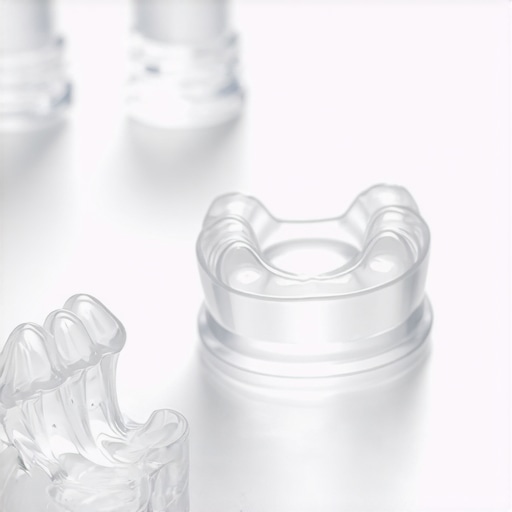
It was a morning just like any other, but as I reached for my Invisalign trays out of their case, I paused. A strange, unpleasant smell hit me—disgusting and sneaky. Despite meticulously brushing them each day, the odor persisted, making me question, “Am I doing something wrong?” That lightbulb moment clicked: even with good oral hygiene, those trays still had a mind of their own.
Why Do Invisalign Trays Keep Smelling Bad, Even When I Brush?
As someone deeply invested in oral health, I’ve been there. It feels frustrating, doesn’t it? You’re diligent about brushing, flossing, and maintaining good habits, yet your Invisalign trays still emit that foul smell. The truth is, these trays can trap bacteria and plaque deep inside, and regular brushing of your teeth doesn’t necessarily clean the trays themselves. A common mistake I made early on was assuming that brushing my teeth was enough—that’s not quite true. Invisalign trays are made from plastic that can harbor bacteria if not cleaned thoroughly. Researchers have found that without proper cleaning routines, bacteria can build up, causing odors and potential oral health issues (American Dental Association, 2022). This isn’t just about bad smell; it’s about your overall oral health.
Will I Have to Give Up My Favorite Foods to Manage This?
Many people worry that eliminating certain foods might be the only solution. But I promise, with the right cleaning routine, you can enjoy your meals without obsessing over odors. So, if you’re tired of masking the smell with chewing gum or mouthwash, it’s time to learn the best ways to keep your Invisalign trays fresh. Curious? Let’s dive into practical steps you can take today to banish that odor and reclaim your confidence.
Create a Consistent Cleaning Routine
Establishing a daily routine is crucial. Every morning and night, remove your trays and scrub them with a soft toothbrush and a non-abrasive toothpaste or a specialized Invisalign cleaning tablet. During my own experience, I found that a gentle scrub combined with a vinegar rinse prevented buildup. Avoid hot water, as it can warp the plastic. Using a dedicated brush helps reach tiny crevices where bacteria hide, much like cleaning the nooks in a puzzle.
Master the Use of Cleaning Solutions
In addition to brushing, soaking trays in a solution can significantly reduce odors. I prefer a mixture of equal parts water and white vinegar, soaking the trays for 15-20 minutes. After soaking, rinse thoroughly to remove any residue. For added freshness, occasional use of hydrogen peroxide dilutes the bacteria without damaging the plastic. Regular soaking acts like a detox, flushing out bacteria—proof that routine maintenance pays off in fresh breath and a brighter smile.
Store Trays Properly When Not in Use
Always keep your trays in their designated case when off your mouth. A cluttered, unsealed environment invites bacteria, similar to how leaving food out attracts pests. I remember once leaving a tray on my nightstand; the next morning, it had developed an unpleasant smell. Using a ventilated case prevents moisture buildup, which is the perfect breeding ground for bacteria. Think of it as giving your trays a clean hotel room instead of a bacteria-fest apartment.
Address Oral Hygiene Holistically
Keeping your mouth pristine is just as important as cleaning the trays. Brush and floss thoroughly before reinserting your aligners. Avoid eating or drinking sugary, starchy foods while wearing trays, as residue can cling and foster bacteria. I learned that rinsing my mouth with water after meals before putting the trays back kept odors at bay. This practice diminishes the chance of bacteria transferring from your mouth to the trays, akin to washing your hands before handling delicate machinery.
Seek Professional Advice for Persistent Issues
If odors persist despite diligent cleaning, consult your dentist. Sometimes, deeper solutions like professional cleaning or replacement trays are needed. I visited my dentist, who recommended switching to a new set after noticing permanent odor buildup—much like exchanging worn-out tools for new ones to maintain efficiency. Remember, professional guidance ensures your oral health remains optimal and your aligners stay fresh.Many patients enter dental offices armed with misconceptions about treatments like Invisalign and crowns, often believing they fully understand their options. However, even seasoned dental consumers frequently miss subtle but critical details that can impact long-term oral health and aesthetics. For example, a widespread myth is that Invisalign is solely a cosmetic solution, overlooking its profound benefits in correcting bite issues and preventing jaw problems when properly integrated into comprehensive family dentistry plans. Studies from the American Academy of Orthodontics highlight that early intervention with Invisalign can significantly reduce the need for more invasive procedures later, making it a strategic choice beyond mere appearance maintenance (see here).
Are Crowns Truly the Last Resort, or Should We Reconsider When to Use Them?
Many assume crowns are only for extreme cases, but advanced evidence suggests they can serve as preventative restorations if applied early to protect compromised teeth from further decay or fracture. The key nuance, often missed, is selecting the appropriate material—ceramic, zirconia, or porcelain—in relation to functional demands and aesthetic goals. Experts emphasize that choosing the wrong type or delaying placement can compromise both the durability of the restoration and patient satisfaction (more details). Another common oversight is neglecting the importance of surrounding gum health when placing crowns. Infections or inflammation in adjacent periodontal tissues can lead to failure despite perfect crown placement. This highlights the importance of holistic evaluation, rather than viewing crowns as isolated fixes. Incorporating this mindset ensures longevity and optimal results, aligning with modern family dentistry’s goal of preserving natural teeth whenever possible. Furthermore, many overlook the subtle differences between using crowns versus veneers or bonding in terms of long-term effectiveness and health implications. Consulting with an experienced dentist can reveal these nuances, guiding better decision-making tailored to individual needs. Maintaining awareness of these details helps patients avoid costly redo procedures and ensures their investment in oral health truly pays off in confidence and functionality.
Have you ever fallen into this trap? Let me know in the comments! Remember, the devil’s in the details when it comes to dentistry—trusting the right expert with nuanced knowledge makes all the difference.Maintaining your dental appliances, whether it’s Invisalign trays, crowns, or other restorations, is essential for long-term success and oral health. Utilizing the right tools and adopting effective routines can prevent issues like odors, damage, or premature wear. One tool I personally recommend is the Ultrasonic Cleaner, which uses high-frequency vibrations to thoroughly remove plaque and bacteria from intricate surfaces of aligners and crowns. I use mine weekly, as it reaches areas that brushing alone can’t, ensuring my appliances stay fresh and function optimally. Additionally, incorporating a dedicated, soft-bristled toothbrush specifically for cleaning your appliances helps prevent scratches that could harbor bacteria—and using non-abrasive, pH-balanced cleaning solutions like hydrogen peroxide or Invisalign-specific tablets guarantees gentle but effective cleaning. Looking ahead, I predict an increasing integration of smart cleaning devices and smartphone apps that monitor your hygiene routines, providing reminders and tracking for consistently maintaining your appliances. How do I maintain my appliances over time? Consistency is key—set daily reminders for cleaning and keep your tools organized to streamline your routine. Remember, a well-maintained appliance not only lasts longer but also enhances your overall oral health, ensuring your investment pays off plus a healthier smile. Don’t forget to consult your dentist for personalized advice and choose high-quality equipment suited to your needs. For more detailed guidance on keeping your appliances in excellent condition, visit our comprehensive [smile maintenance guide](https://familydentistpro.com/family-dentistry-secrets-maintaining-oral-health-with-modern-techniques-at-254-pm). Ready to elevate your dental hygiene routine? Try integrating an ultrasonic cleaner into your weekly schedule and see the difference it makes in maintaining your appliances effectively. 
What I Wish I Knew Before My First Invisalign Tray
One of the most eye-opening lessons was realizing that meticulous cleaning isn’t just about preventing odors; it’s about protecting my oral health in the long run. I used to think brushing my teeth was enough, but I learned that bacteria hide deep within the trays, making thorough cleaning routines essential—something even many professionals overlook.
Another revelation was the significance of proper storage. Leaving my trays out led to unnecessary bacteria buildup and foul smells. A simple switch to a ventilated case transformed my experience, emphasizing that small habits have big impacts in family dentistry.
Finally, I discovered that self-education is powerful. Professional advice combined with trusted resources helps avoid myths and makes treatment more effective. It’s not just about aesthetics but about holistic oral well-being that I cherish deeply now.
My Arsenal for a Smudge-Free Smile
I rely on tools like ultrasonic cleaners, which reach places my toothbrush can’t, ensuring my Invisalign trays stay bacteria-free and odorless. The [family dentist](https://familydentistpro.com/family-dentistry-trends-improving-oral-health-for-all-ages) recommends a mix of gentle brushing, soaking in vinegar or hydrogen peroxide, and using a dedicated soft-bristled brush—no harsh abrasives—to keep my appliances in top shape.
Knowing which cleaning solutions are proven safe and effective has empowered me to maintain my trays without fear of damage—making a significant difference in my oral health journey. My go-to resources include reputable sites and expert-reviewed guides that demystify proper appliance care.
Embrace Your Smile Journey Today
Taking charge of your dental routine, especially with Invisalign and crowns, is an act of self-care that radiates confidence. Remember, every small step you implement today builds a foundation for a healthier future. Your smile deserves that extra attention—don’t wait to start making a difference.
What personal tips have you found most helpful in maintaining your dental appliances? Share your experiences below—I’d love to learn from your journey!