
How to Manage the Discomfort of Your First Invisalign Tray
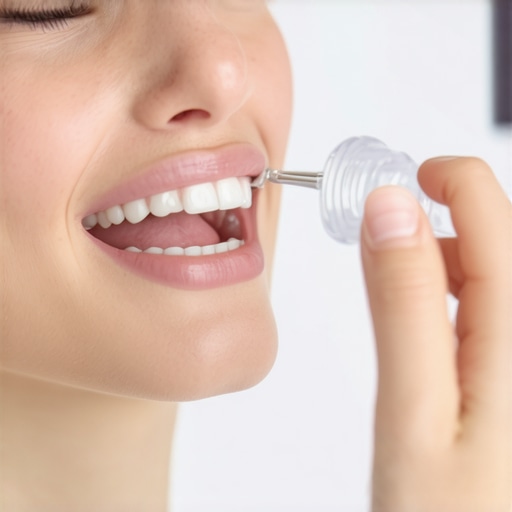
I’ll never forget the moment I first slipped in my Invisalign tray. It was supposed to be a step toward a straighter smile, but instead, I felt like I had a foreign object lodged in my mouth—sharp, unfamiliar, and surprisingly uncomfortable. For days, I struggled to find a way to go about my routine without feeling like I was constantly battling my own mouth. That lightbulb moment hit me hard: I was unprepared for the initial discomfort, and it threw me off more than I expected.
Why the First Invisalign Experience Can Feel Overwhelming
If you’re considering Invisalign, you’re probably wondering, “Is this normal? Will I have to suffer through this forever?” Trust me, I’ve been there. The good news is, that initial discomfort is common and manageable once you understand what’s really going on—and how to take control of it. Managing that first tray’s discomfort isn’t just about endurance; it’s about making smart choices from day one to ease your transition.
Will This Ever Stop? My Biggest Skepticism
Honestly, my biggest mistake early on was underestimating how quickly my mouth would adapt. I thought, “This must be forever,” and that mindset made it feel worse. The truth is, most people experience a noticeable decrease in discomfort within a few days as your teeth start settling into their new positions. Early on, I wish I had known that ignoring minor pain and not overdoing it with hard foods could have saved me some unnecessary stress. For more myths busted about Invisalign, check out this resource.
Understanding this common hurdle is crucial. Those initial days may feel like a battle, but with the right approach, you can turn that discomfort into an opportunity to learn what your mouth needs. Are you facing this right now? If so, don’t worry—you’re not alone, and there are practical ways to make it easier. Next, I’ll walk you through easy, actionable tips that helped me master my first week with Invisalign and come out feeling confident rather than defeated.
Stick to Soft Foods and Hydrate Often
During your first days, opt for soft foods like yogurt, mashed potatoes, or smoothies to minimize pressure on your teeth and gums. Drinking plenty of water helps wash away food particles and reduces irritation. I remember when I first started; I kept a cup of water nearby and had smoothies for every meal—initially messy, but it paid off swiftly in comfort.
Maintain a Consistent Oral Hygiene Routine
Brushing twice daily and flossing gently is essential, but with Invisalign, you need to remove trays to clean thoroughly. I used a soft-bristled toothbrush and a mild fluoride toothpaste, avoiding aggressive scrubbing that can irritate sensitive gums. Keeping your aligners clean prevents bacteria buildup and reduces discomfort. For comprehensive tips, check out top oral health tips.
Use Pain Management Techniques Wisely
Over-the-counter pain relievers like ibuprofen can ease soreness, but don’t overuse them. I found that applying a cold compress to my cheeks relaxes tense muscles and reduces swelling. Remember, initial soreness is temporary; your mouth adapts quickly. If you’re curious about common misconceptions, visit Invisalign myths to learn more.
Schedule Regular Check-Ins with Your Dentist
Keeping appointments on time ensures your treatment progresses smoothly. Your dentist can monitor your adjustment period and make necessary tweaks. When I scheduled my follow-up, my dentist suggested adjusting my trays slightly to reduce pressure on sensitive areas, which significantly improved my comfort. For the latest trends in family dentistry, see family dentistry advancements.
Prepare Mentally for the Adaptation Period
Expect some speech adjustments and mild irritation initially. Practicing speaking aloud before your first tray changes helps. I practiced reading aloud in front of a mirror, which eased my lisp and boosted confidence. Remember, this phase doesn’t last long—your teeth and mouth will soon feel accustomed to the trays. For more insights on Invisalign solutions, explore Invisalign vs. braces.
Stay Positive and Patient
The initial challenge is temporary. Each small step, from watching your diet to maintaining oral hygiene, contributes to the success of your Invisalign journey. I found that keeping a positive mindset, even when discomfort hit its peak, made the process more manageable. Remember, resilience pays off—your smile will thank you later.While many patients believe they fully understand their dental treatments, misconceptions still persist that can compromise results or lead to unnecessary frustrations. One prevalent myth is that all dental crowns are created equal; in reality, choosing the right type and material requires expertise. For instance, porcelain crowns offer aesthetic advantages but may not withstand heavy grinding, which is where zirconia might be a better choice. Making the wrong decision can lead to early failure or costly replacements, so consulting a skilled dentist is essential. Additionally, a frequent mistake is assuming Invisalign is just about having aligners replaced—many overlook the importance of compliance and bite adjustments that influence treatment duration and success. Advanced cases require meticulous planning, which only experienced practitioners can provide. Don’t fall into the trap of oversimplifying family dentistry as just cleaning and checkups; today’s practices integrate preventive care, technology, and personalized strategies to optimize your oral health long-term. An often-overlooked fact is that many neglect the nuanced relationship between gum health and systemic diseases, such as cardiovascular conditions. A 2019 study in the *Journal of Clinical Periodontology* underscores this connection, urging a comprehensive approach to oral care. Hence, understanding these hidden layers can elevate your dental health from basic to optimal. Are you aware of the subtle factors affecting your treatments? Let me know in the comments. For those seeking deeper insight, this comprehensive guide explores the benefits of crowns and how to choose the right one for your needs. Similarly, differentiating Invisalign from traditional braces isn’t just about aesthetics but involves understanding tissue responses and coordination with other dental treatments. Learn more about Invisalign vs. braces to make informed decisions. Remember, misconceptions can hinder your progress—staying educated is your best line of defense in achieving a healthy, beautiful smile.
Preserving the longevity of dental crowns, veneers, and Invisalign trays requires not just diligent oral hygiene but also effective tools that enhance your routine. In my experience, investing in the right equipment can make a significant difference in achieving lasting results and preventing future issues. One essential tool I personally rely on is a water flosser. Unlike traditional floss, a water flosser uses a targeted stream of water to clean hard-to-reach areas around crowns and between teeth, reducing plaque buildup and preventing decay that can compromise restorations. My preferred model is the Waterpik Aquarius, renowned for its customizable pressure settings and ease of use—elements vital for gentle yet effective cleaning. Additionally, I recommend brushing with a sonic toothbrush such as the Philips Sonicare ProtectiveClean. Its high-frequency vibrations enhance plaque removal and stimulate gum health, crucial for long-term durability of dental work. I especially favor the Sonicare because it has a timer and pressure sensor, ensuring I don’t overbrush and damage sensitive areas, which is a common concern among patients with crowns and veneers. To keep Invisalign trays in top shape and prevent stains or odors, I suggest using a custom cleaning tablet like Invisalign’s own cleaning crystals or a gentle denture cleaner. These solutions effectively remove residue without damaging the material, ensuring trays stay transparent and comfortable. For routine maintenance, I swear by an ultraviolet (UV) sterilizer device, such as the Ivation UV Sanitizer. Disinfecting your aligners regularly prevents bacterial buildup, which can cause irritation or bad breath. In terms of long-term health, incorporating a mouth rinse with antimicrobial properties—like a fluoride-based or Chlorhexidine rinse—fortifies your enamel and gums, helping maintain the integrity of crowns and the health of your periodontal tissues. Looking ahead, I believe these tools will become smarter and more integrated with app-based tracking, providing personalized feedback to enhance compliance and results. For example, some water flossers now connect with mobile apps that monitor usage frequency and pressure, encouraging consistent practice. 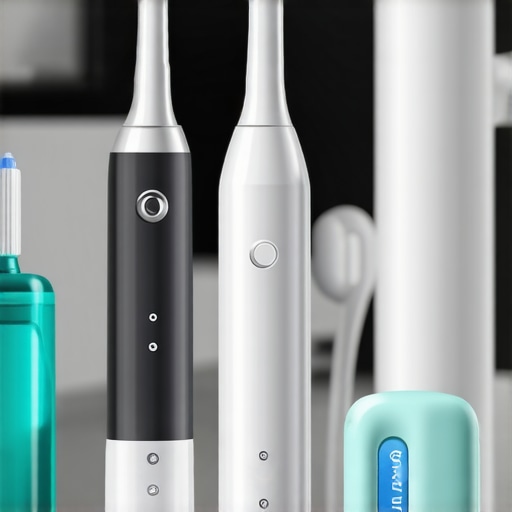
Prompt: Close-up of a water flosser, sonic toothbrush, Invisalign cleaning tablet, UV sterilizer, and mouth rinse on a countertop—highlighting essential dental maintenance tools.
How do I maintain my dental restorations and Invisalign aligners over time?
Maintaining your crowns, veneers, and aligners requires a dedicated routine and the right tools. Regular cleaning with helpful devices prevents plaque accumulation, reduces staining, and minimizes the risk of decay or damage. Pairing water flossers with sonic toothbrushes enhances plaque removal, especially around crowns and veneers, where traditional brushing might miss spots. Cleaning your Invisalign trays with specialized tablets ensures they stay transparent and odor-free, prolonging their effectiveness. Incorporating UV sterilizers into your routine adds an extra layer of disinfection, helping to prevent bacterial growth. Consistenly using mouth rinses with antimicrobial properties also plays a vital role in strengthening enamel and keeping gums healthy. In the future, expect these techniques to evolve into more integrated, app-controlled systems, providing real-time feedback and reminders to encourage optimal maintenance habits. Remember, proactive maintenance today not only preserves your dental investments but also promotes overall oral health, making your smile last a lifetime. For more insights, check out the hidden benefits of Invisalign and stay ahead with the latest technology.
Throughout my dental journey, I uncovered lessons that transformed my perspective from frustration to empowerment. One crucial insight was realizing that patience is your best ally—aligners and crowns require time to settle, and rushing can lead to setbacks. I also learned that choosing the right dentist—someone who listens and educates—is invaluable; not all providers are equal in experience or approach. Finally, I discovered that daily maintenance tools like water flossers and sonic toothbrushes aren’t just gadgets—they’re game-changers in sustaining the health of crowns, veneers, and Invisalign trays. These personal revelations can help you avoid common pitfalls and make more informed decisions for your oral health.