
How to Handle a Toddler Who Won’t Sit Still for the Dentist

It happened during our last dental visit—my little one was bouncing in the chair, giggling, and completely ignoring the tool in the hygienist’s hand. What should have been a straightforward checkup turned into a full-blown wrestling match. In that moment, I realized just how challenging it can be to get a toddler to sit still for dental appointments. I want to share my experience because if you’re a parent struggling with the same issue, you’re not alone—and there *are* ways to navigate this tricky phase.
Why Finding a Solution Is Crucial Right Now
Many kids fear the dentist, and their natural restlessness makes it even harder to get through appointments. Skipping or delaying dental visits can lead to overlooked cavities, early signs of gum disease, or other oral health issues that might seem minor now but could cause bigger problems down the road. Moreover, establishing positive dental habits early can set the foundation for healthier smiles later in life.
Research indicates that children who have negative dental experiences early on are more likely to develop dental anxiety as they grow older, which can impact their willingness to seek dental care in adulthood (source). That makes it vital for us parents to find strategies to keep our little ones calm, cooperative, and even a bit excited about their dental visits.
So, what can be done when the typical calm, cooperative approach doesn’t work? Well, that’s exactly what I want to explore in this post. We’ll look at practical, realistic tips—drawn from personal experience and expert advice—to help your toddler feel more comfortable and less anxious in the dental chair.
Before diving into the how-tos, I must admit I made a common mistake early on: trying to force my child to sit still without understanding their fears. It only made them more anxious and resistant. Remember, patience and understanding are key, and there are smarter ways to approach this challenge.
Are you facing a similar situation with your little one? If so, keep reading—we’re about to turn your dental visits into much less of a battle.
Create a Calm Environment Before the Visit
Start by talking positively about the dental appointment days before, using simple words your toddler understands. Share a story about a friendly dentist or a fun character who helps keep smiles healthy. When the day arrives, bring along their favorite toy or blanket—think of it as a superhero cape that makes them feel safe and confident.
Use Role-Playing to Make It Familiar
Practice pretending to be the dentist at home, using a clean toothbrush or a plush toy’s mouth. Show how the tools work gently and introduce the dentist’s chair as a ‘rocket ship’ or ‘race car.’ For instance, I once set up a mini dental checkup on my daughter’s stuffed animal, which made her giggle and reduced her fear during her actual appointment.
Choose the Right Dental Office and Staff
Research family-friendly dentists who specialize in treating young children. Look for a practice that offers a welcoming, colorful environment with toys and books. Contact the office in advance; ask about their approach to anxious kids, and mention your child’s fears to see if they have experience with similar situations. A good practice often provides resources such as visual aids or video tours to familiarize kids with what to expect (contact us).
Plan Smart Scheduling and Preparation
Book appointments during times when your child is well-rested and not hungry—think of this as scheduling a game or nap time. Keep the routine consistent on the day of the visit, with a quick, positive chat about the good things happening. Avoid overloading with too many activities beforehand; instead, keep it simple and calming.
Implement Hands-On Distraction Techniques
Bring along headphones and calming music or videos your child enjoys. Offer a comforting item, such as a favorite stuffed animal or a special blanket. During the procedure, engage them with gentle talking, counting, or storytelling—think of it as guiding them through an adventure rather than a medical task.
Encourage Cooperation with Incentives
Use simple rewards like stickers or extra playtime afterward. Emphasize positive reinforcement—praising your child for small successes helps build trust. For instance, I gave my daughter a sticker for sitting still during her cleaning, which motivated her to cooperate better on subsequent visits (see how incentives improve dental visits).
Consider Modern Dental Solutions
If traditional methods don’t work, ask about options like sedative techniques or newer procedures that make the experience smoother. Technologies such as laser dentistry or special devices can make procedures quicker and less intimidating. For example, exploring options like Invisalign can help align teeth discreetly, minimizing discomfort.
Remember, every child is unique. Patience, preparation, and a positive attitude go a long way. By turning dental visits into friendly, familiar experiences, you set the stage for lifelong healthy habits—making future checkups less stressful for everyone involved.
While most people believe that basic oral hygiene is enough for long-term dental health, the reality is far more complex. A common misconception is that treatments like Invisalign or crowns are purely cosmetic, but in fact, their success hinges on understanding nuanced factors such as occlusion, enamel health, and bite dynamics. For instance, many assume that Invisalign is just a clear aligner system, but advanced applications involve precise force calculations, detailed planning, and sometimes combining with other procedures for optimal results (learn more about Invisalign’s complexities). Overlooking these details can lead to unexpected discomfort, relapse, or even damage to adjacent teeth.
A prevalent myth is that crowns are only for damaged or decayed teeth; however, they also serve in trauma cases, cosmetic corrections, and biomechanical support for compromised teeth. Yet, many practitioners miss the importance of selecting the appropriate material based on occlusal forces, preventing wear, or inflammation. For example, porcelain-fused-to-metal crowns require a different preparation technique than all-ceramic ones, and choosing poorly can result in fit issues or gum irritation.
Another subtlety often missed is the role of family dentistry in continuous, personalized care. Regular checkups are vital, but understanding the interplay of systemic health, nutrition, and oral microflora requires a deeper knowledge. Research shows that periodontal health directly affects heart health, and neglecting this connection can be a costly mistake in overall wellness. When family dentists integrate advanced diagnostics like salivary analysis or digital impressions, they unlock insights that go beyond surface-level cleaning (see how modern family dentistry evolves).
Risks arise when patients or even some practitioners ignore these subtle but crucial factors. For example, ignoring bite harmonization after restorative work can cause TMJ disorders or uneven wear patterns. Similarly, underestimating the importance of occlusal analysis can lead to complications in orthodontic or implant procedures. The goal is to dig beneath the surface and recognize that each component, from enamel strength to bite dynamics, plays a vital role in lasting oral health.
Thinking critically about what most overlook can save you from future pain, costly repairs, or compromised health. Achieving a truly healthy and confident smile demands appreciating the intricacies that aren’t always apparent at first glance.
Have you ever fallen into this trap? Let me know in the comments. For personalized advice, consider consulting a family-friendly dentist who understands these nuances—reach out here.Keeping your oral health in top shape requires more than just regular brushing and flossing. Investing in quality equipment and adopting effective techniques can make a significant difference in long-term results. I personally rely on a few specialized tools that have transformed my routine and helped prevent common issues like cavities and gum disease.
Invest in a High-Quality Electric Toothbrush
While manual brushes can do the job, I find that a well-chosen electric toothbrush provides superior plaque removal, especially around hard-to-reach molars. Look for models with timers and multiple brushing modes—these features ensure you spend adequate time cleaning each section of your mouth. I prefer the Oral-B Genius series because its oscillating-rotating technology has consistently kept my gums healthy and my smile bright.
Incorporate Water Flossers into Daily Routine
Traditional flossing can be challenging for many, but a water flosser, like the Waterpik Sonic-Fusion, streamlines the process and enhances effectiveness. I use mine every evening to dislodge food particles and plaque—the pulsating water reaches areas manual floss often misses. Regular use has noticeably reduced bleeding gums and cavity formation, especially in tight spaces.
Utilize Digital Oral Health Apps
Managing multiple dental hygiene tasks can be simplified with smartphone apps that remind you to brush, floss, or schedule dental visits. Programs like Brush DJ or Dental Care motivate consistent habits and allow tracking progress over time. I’ve found that setting personalized reminders helps maintain my routine even during busy days, contributing to stable, long-term oral health.
Adopt Professional-Grade Dental Products
For ongoing maintenance, I trust non-abrasive whitening gels and remineralizing pastes recommended by dental professionals. Products containing fluoride and calcium, such as MI Paste Plus, strengthen enamel and reduce sensitivity—especially beneficial if you have crowns or veneers. Using these at home bridges the gap between professional cleanings and daily care, ensuring your smile stays resilient.
Maintain Regular Dental Checkups and Personalized Care
Beyond tools, consistent visits to a family-friendly dentist are crucial. Modern diagnostics, like digital impressions and salivary analyses, provide insights into subtle issues before they escalate (see how advanced family dentistry evolves). Scheduling appointments during well-rested times, perhaps with a trusted provider you can reach here, ensures personalized guidance tailored to your unique needs.
How do I keep my tools effective over time? Regular maintenance is key—clean your electric toothbrush heads weekly, replace water flosser tips every three months, and update app software periodically. Also, consult your dentist about any new techniques or equipment that may enhance your routine. Trends like laser dentistry and smart devices are paving the way for more efficient, less invasive treatments—embrace them to stay ahead in your oral health journey (Dentistry Today, 2023).
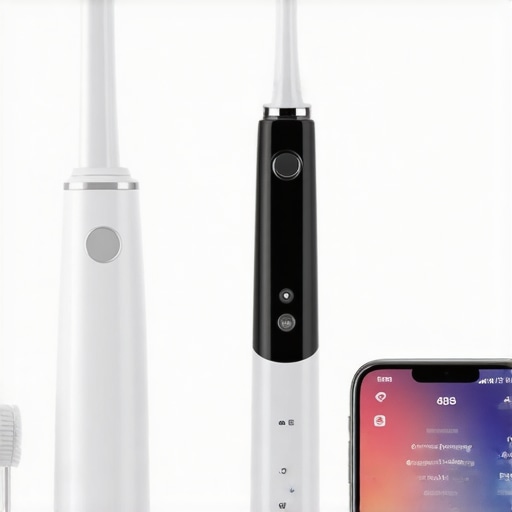
Try incorporating one of these advanced tools into your regimen today. The investment in proper equipment and techniques pays off by maintaining a healthier mouth, preventing costly repairs, and ensuring your confidence shines through. Remember, consistency and informed choices are your best allies in long-term oral health management.
The Hardest Lesson I Learned About Oral Health and Restorations
Early on, I believed that brushing thoroughly and avoiding sweets would keep my teeth perfect. However, I ignored the importance of regular checkups and understanding the role of restorations like crowns and Invisalign in comprehensive oral health. This oversight led me to face unexpected repairs that could have been prevented with more informed care.
How I Discovered That Not All Advice Is Created Equal
Listening to generic tips on family dentistry can be misleading. I learned that personalized evaluations, considering factors like occlusion and microflora, are crucial. For instance, without proper bite analysis after a crown placement, I experienced discomfort that could have been avoided with expert guidance (learning from professionals).
Why Overlooking Subtleties Can Cost You
Assuming that a crown or Invisalign just impacts appearance, without understanding their impact on bite dynamics or enamel health, is a mistake. I realized that customized treatment plans and ongoing monitoring are essential for long-term success, preventing issues like TMJ or uneven wear (exploring advanced options).
My Go-To Resources for Smarter Dental Decisions
Trusted tools and sources have transformed my approach to oral health. Devices like electric toothbrushes with ultraviolet sanitizers ensure optimal cleanliness, while apps remind me when to floss or schedule checkups, keeping me proactive (top oral health tips). Additionally, I follow expert blogs and subscribe to newsletters that explain modern techniques like laser dentistry and intraoral scanners, educating me before every visit.
Keep Your Smile Brightening the Future You Want
Your journey toward a healthier, more confident smile starts today. Embrace knowledge, utilize quality tools, and stay consistent in your routine. Every effort, big or small, builds a foundation for lifelong oral wellness. Remember, the latest innovations and personalized care can make all the difference—so don’t wait to make informed decisions about your dental health.
What is one small change you’re ready to implement today to improve your oral health or dental routine? Drop your thoughts below—I’d love to hear your experiences!