
Why Your Smile Looks Narrow and How Braces Can Help
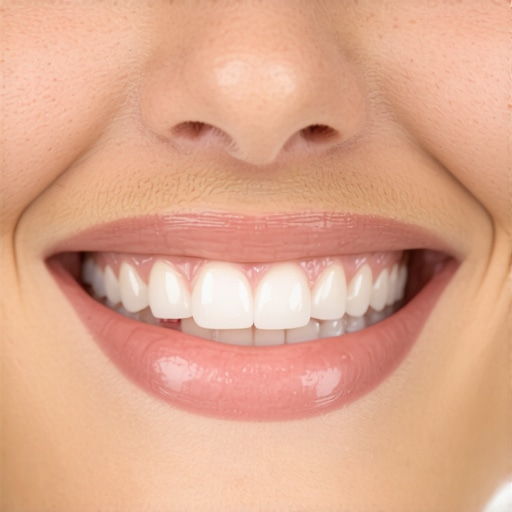
I remember the exact moment I first noticed my smile wasn’t quite right. It was on a family photo that my cousin insisted on taking at a reunion. As I looked at the picture later, I felt a pang of self-consciousness—my face looked oddly narrow, and my smile seemed almost tucked into the corners. That lightbulb moment made me realize how much our smile can influence first impressions, self-confidence, and even how others perceive us. If you’ve ever felt that your smile appears unusually narrow or tight, you’re not alone. Many people struggle with this subtle but impactful feature, often without understanding its origins or solutions.
Understanding the Roots of a Narrow Smile
A narrow or squeezed-looking smile isn’t just a cosmetic quirk; it can be a sign of underlying dental or skeletal factors. Sometimes, it’s related to the way our jawbone develops during childhood, or it might be influenced by habits like thumb sucking or mouth breathing. In other cases, teeth may be misaligned, or the width of your dental arches may be smaller than ideal, causing your smile to appear more constricted.
What I wish I knew back then is that this isn’t set in stone. Modern orthodontic solutions, especially braces, have advanced so much that they can effectively widen your dental arches and improve facial balance. Moreover, correcting a narrow smile can do wonders beyond appearance—it can improve biting function, speech, and overall oral health.
Is It Truly Worth the Effort and Cost to Correct a Narrow Smile?
Early in my career, I made the mistake of overlooking simple straightening options because I assumed they were purely cosmetic. Now I know that addressing the structural aspects of the smile can lead to long-term health benefits and increased confidence. A comprehensive approach—guided by a knowledgeable family dentist—can reveal the best path forward.
If this sounds familiar, or if you’ve wondered whether fixing a narrow smile is worth it, stick around. We’ll explore effective treatments, share personal insights, and help you understand how a modest investment can lead to a more vibrant, balanced smile that lights up your face.
Start with a Comprehensive Dental Evaluation
Schedule an appointment with your family dentist to assess the underlying causes of your narrow smile. During the exam, the dentist will examine your jaw structure, teeth alignment, and bite. This initial step is crucial because it determines the most effective treatment approach for your specific needs. I once visited my dentist for a routine check-up, and after a thorough analysis, we discovered that minor jaw discrepancies were contributing to my narrow appearance. This evaluation laid the foundation for my personalized treatment plan.
Consider Orthodontic Options for Widening Your Smile
Choose Between Traditional Braces and Invisalign
Orthodontic devices like braces or Invisalign can gradually widen your dental arches. Think of your dental arch as a garden fencing—if it’s too narrow, plants can’t spread out properly. Using braces with brackets and wires applies gentle pressure over time, expanding the arch. Alternatively, Invisalign aligners work like a series of custom-molded shoehorns, gently nudging teeth into new positions. When I opted for Invisalign, I appreciated the discretion and comfort, especially considering my busy schedule. For an in-depth comparison, check out this guide on Invisalign versus braces.
Plan Your Treatment Timeline
The timeline varies based on individual cases but typically spans from 6 months to over a year. Regular visits are essential for adjustments, ensuring the expansion progresses steadily without discomfort. During my experience, consistent follow-ups helped me stay motivated, and I saw visible changes within a few months.
Enhance Jaw and Facial Balance with Restorative Procedures
If orthodontics alone don’t achieve the desired width or facial harmony, restorative treatments like crowns can help. Think of crowns as bespoke caps that not only restore a damaged tooth but also improve its size and shape, contributing to a broader smile. When I needed a crown for a chipped tooth, choosing a high-quality crown made a noticeable difference in my smile’s overall balance. For guidance on selecting trusted specialists, visit this advice on crown selection.
Implement Proper Oral Habits to Support Your Transformation
Habits like mouth breathing or thumb sucking in childhood can restrict bone development, affecting your smile’s width. Addressing these early habits with your dentist or orthodontist can prevent or mitigate narrowness later in life. As an adult, being conscious of your oral posture—keeping your lips closed and your tongue resting comfortably on your palate—can support your treatment results. I started practicing better oral posture during my orthodontic journey, which contributed to the stability of my expanded arches.
Maintain Results with Consistent Care and Monitoring
Once your smile has widened, ongoing maintenance is vital. Regular dental cleanings, wearing retainers if prescribed, and avoiding harmful habits preserve your progress. Think of your dental work as a garden—consistent care ensures it continues to flourish. My dentist recommended long-term follow-ups, which I now schedule annually, ensuring my smile remains vibrant and balanced.
Many patients believe they understand the essentials of oral care, but in reality, common misconceptions still cloud their judgment. One widespread myth is that all dental restorations, like crowns, are permanent and require no maintenance, which isn’t true—it’s essential to treat crowns as ongoing commitments involving proper hygiene and regular check-ups. Additionally, a common misunderstanding about Invisalign is that it’s only for minor teeth corrections, yet, in expert hands, it can address complex cases, reshaping family dentistry practices as shown in recent studies.
Are You Overlooking the Hidden Nuance in Your Dental Treatments?
While Invisalign offers discreet alignment, some think it’s less effective than traditional braces—however, advances have made it suitable for even severe malocclusions, emphasizing the importance of consulting with a specialist who understands the latest innovations (learn more about crowns and transformative Invisalign insights). Many people underestimate the importance of family dentistry’s comprehensive approach, assuming it’s just about routine checkups, but it also involves early identification of subtle issues that might lead to more significant problems later. For example, detecting early signs of gum disease or tooth wear can save you from costly treatments down the line. These nuances reflect the evolving landscape of oral health, where expert knowledge plays a vital role. A crucial warning is to avoid neglecting the differences between crowns and veneers; while they might superficially seem similar, each has distinct functional advantages, and choosing the right solution hinges on a precise understanding of your needs. External studies, such as the review published in the Journal of Clinical Orthodontics, underscore that treatment success significantly depends on personalized assessments rather than generic assumptions. Have you ever fallen into this trap? Let me know in the comments. Recognizing these misconceptions empowers you to participate actively in your oral health decisions, ensuring you benefit from the most advanced and suitable treatments available.Maintaining a healthy smile over years requires more than just good habits; it demands the right tools and consistent routines. I personally rely on a combination of advanced equipment and smart software to monitor and sustain my oral health effectively. One essential tool I swear by is an ultrasonic toothbrush, like the Philips Sonicare DiamondClean. Its high-frequency sonic vibrations ensure thorough plaque removal, especially around crowns and hard-to-reach areas, which traditional brushes often neglect. Pairing this with a water flosser such as the Waterpik Sonic-Fusion has transformed my flossing routine. It not only effortlessly dislodges debris but also reaches interdental spaces that are challenging to clean with string floss alone. For long-term tracking, I use dental health apps like Dentacare, which sync with Bluetooth-enabled devices, reminding me about scheduled cleanings and providing insights based on my brushing and flossing patterns. These digital tools help me stay accountable and catch potential issues early on, before they become costly repairs.
Looking ahead, the future of oral health management likely involves AI-powered diagnostics integrated into everyday devices, offering personalized recommendations and early warnings. Companies are now developing smart toothbrushes that analyze saliva and plaque composition, providing tailored advice for diet and hygiene adjustments.
How do I maintain my tools and tech over time?
Regular care is key. Ultrasonic toothbrush heads should be replaced every three months to maintain effectiveness. Water flosser tips need periodic sterilization—most are dishwasher safe or can be soaked in antiseptic solutions. The apps I use sync seamlessly and require software updates, so keeping them current ensures accurate data and helpful reminders. Additionally, storing your tools in dry, clean environments prevents bacteria buildup, prolonging their lifespan. I also schedule biannual check-ins with my family dentist, who reviews my data and performs professional cleanings, ensuring that my at-home routines complement professional care. By combining high-quality tools with consistent maintenance, you’re setting yourself up for a radiant, healthy smile for years to come. And yes—you can try integrating a smart water flosser into your daily routine today, and see how much easier maintaining your dental health becomes!
For those curious about the latest innovations, I recommend reading about the evolving landscape of family dentistry at Invisalign innovations. Staying informed helps you make smarter decisions for your long-term oral health journey.
Lessons That Changed My Approach to Oral Health
One of the most profound lessons I learned was that a narrow smile isn’t just an aesthetic issue—it’s often a sign of underlying structural factors that, when addressed early, can dramatically transform your confidence and oral function. I once thought cosmetic tweaks were all that mattered, but real change came when I discovered the significance of comprehensive assessments and tailored treatments.
Another lightbulb moment was realizing the importance of embracing new technology. Starting with Invisalign, I experienced firsthand how discreet, effective orthodontics can fit seamlessly into busy lives, encouraging me to invest in my health without feeling self-conscious. This reshaped my perspective: small, consistent efforts with the right tools create lasting results.
Lastly, I found that ongoing maintenance and education are crucial. It’s not enough to get a treatment; understanding how habits and tools like high-quality toothbrushes and digital monitoring influence long-term success can keep your smile radiant for decades. Knowledge truly is power when it comes to maintaining a healthy, confident smile.
My Go-To Resources for Family Dentistry and Smile Care
For trusted guidance, I rely on this comprehensive comparison of Invisalign and braces, which helped me choose a discreet path to widening my smile. The ultimate guide on crowns offers valuable insights into restorative options that support facial harmony and long-term health. Additionally, I consult latest family dentistry trends to stay informed about innovative techniques and preventive care strategies. These resources empower me to make educated decisions and advocate effectively for my dental health.
Take Action and Shape Your Future Smile Today
Your journey toward a wider, more confident smile can start right now. Embracing modern treatments like orthodontics and restorative procedures, backed by continuous care and smart tools, makes all the difference. Remember, the effort you put in today lays the foundation for a radiant smile that endures. Don’t wait for issues to escalate—take the first step toward a healthier, more vibrant version of yourself.
Have you ever hesitated to explore orthodontic options or tried a new dental tool that surprised you? Share your experiences below—I’d love to hear your story!