
Why Your Child’s Permanent Teeth Look More Yellow Than Baby Teeth
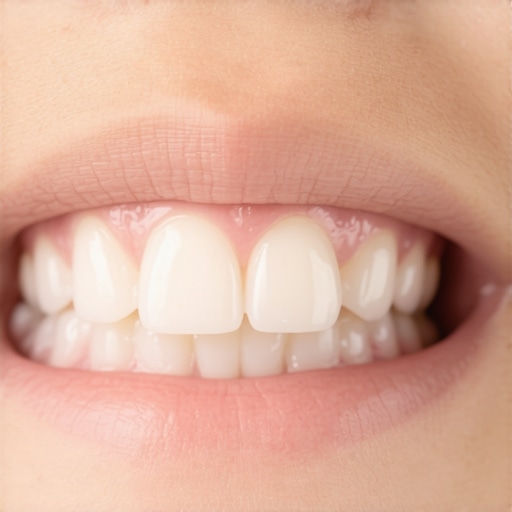
I’ll never forget the moment I first noticed my child’s adult teeth looking noticeably yellower than their baby teeth. It was during a casual family photo, and suddenly, that little flash of static reminded me that something wasn’t quite right. It was a lightbulb moment, and honestly, it caught me off guard. I had assumed that as kids grow, their teeth would naturally become a bit more stained or discolored, but I wasn’t prepared for just how common—and fixable—this issue is.
Understanding the Yellowing of Permanent Teeth in Children
Most parents, including myself initially, think that tooth discoloration is only something that happens with age or with poor dental hygiene. However, when it comes to children, especially during the transition from their primary (baby) teeth to permanent ones, this yellowish tint can be quite common. The reason? Several factors contribute to this, like the differences in enamel thickness, developing dentin, and exposure to certain foods or medications.
In fact, the layer beneath the tooth’s enamel—called dentin—can naturally appear more yellow as it matures. Also, enamel in teenagers and children, especially during the early stages of adult teeth emerging, may be thinner or less mineralized, leading to a more translucent and yellowish appearance. This isn’t necessarily a sign of poor oral health; rather, it’s often a natural development process.
Now, I know some of you may be worried about underlying issues like enamel hypoplasia or staining from foods and drinks. These concerns are valid, and consulting your family dentist can help clarify the exact cause. I learned the hard way that jumping straight to whitening treatments without professional advice could do more harm than good, especially for young, developing teeth. For more insights, check out this guide on maintaining bright smiles.
What’s Next: Tackling the Discoloration and Protecting Your Child’s Smile
In the upcoming sections, I’ll share practical steps I took—some based on advice from trusted family dentists and others from my own trial and error—to help my child’s teeth look healthier and brighter. We’ll explore safe whitening options, the importance of regular dental check-ups, and how modern dental techniques like crowns and sealants can make a significant difference. If you’ve ever felt as surprised or confused as I did, stay with me. Together, we’ll uncover solutions that are safe, effective, and tailored for your child’s unique needs.
Is It Just a Cosmetic Issue or Something More Serious?
Early on, I made the mistake of assuming that the yellow tint was purely cosmetic and didn’t need immediate attention. Turns out, there are situations where discoloration can signal deeper issues, such as developing cavities or enamel erosion. That’s why I now recommend visiting a trusted family dentist—like the experts at Family Dentist Pro—to get a professional assessment. Addressing concerns early can prevent more expensive or invasive treatments later.
Have you already noticed this yellowish hue in your child’s permanent teeth? You’re not alone—and the good news is that with a little knowledge and proactive care, you can help boost their confidence and oral health. Let’s dive into the causes and solutions that can make a real difference in your family’s dental journey.
Start with a Professional Dental Evaluation
Book an appointment with a trusted family dentist—like the experts at Family Dentist Pro. During the visit, ask specifically about the yellowish discoloration. The dentist will examine your child’s teeth, identify if there are underlying issues such as enamel hypoplasia or staining, and recommend tailored treatments. I remember bringing my son in after noticing similar concerns; the assessment revealed early enamel erosion, which we addressed promptly with professional advice.
Implement Daily Oral Hygiene Rituals
Ensure your child brushes twice daily with a fluoride toothpaste suitable for their age. Proper brushing technique matters—use a soft-bristled brush and gentle circular motions. Incorporate flossing into their routine to remove plaque and prevent staining buildup. Consistency is key; I set a timer and made it a fun challenge for my son to complete his brushing properly, which visibly improved his oral cleanliness over weeks.
Introduce Safe Whitening Options Carefully
If professional advice confirms cosmetic whitening is safe, opt for gentle, children-approved whitening products. Avoid over-the-counter kits that may harm developing enamel. I learned that over-whitening can cause sensitivity, so I consulted my dentist before trying any whitening methods. They suggested a mild in-office treatment combined with natural remedies, which produced a noticeable brighter smile without risk.
Utilize Modern Dental Techniques
Treatments like crowns or sealants can prevent further discoloration and strengthen teeth. For instance, if a tooth has deep staining or decay, a crown can encapsulate and restore it, like a protective cap. I discovered this when a child’s severely stained molar was fitted with a crown—once in place, it not only improved appearance but also prevented further damage. Read more about how crowns can boost your child’s oral health.
Regular Dental Check-Ups and Maintenance
Schedule visits every six months for ongoing assessment and preventive care. During these visits, dentists can identify early signs of discoloration or other issues. I made a habit of marking appointments on our calendar and prepared my child to keep these visits positive—this routine caught minor concerns early, avoiding more extensive procedures later.
Limit Staining Foods and Drinks
Reduce intake of staining agents such as colored candies, sodas, and certain juices. Use a straw for beverages that can stain teeth, and rinse with water afterward. I turned this into a game—my son learned to sip through a straw and rinse, which reduced his teeth’s exposure to staining foods. Consistent dietary control can make a meaningful difference over time.
Monitor and Address Any Signs of Tooth Sensitivity
Discoloration can sometimes be linked to sensitivity or enamel wear. Watch for discomfort during eating or when exposing teeth to hot or cold. If sensitivity persists, consult your dentist to explore causes and solutions, such as fluoride treatments or sealing agents. I found that addressing sensitivity early prevented further discoloration and protected my child’s teeth from more serious damage.
Every child’s dental needs are unique, so tailoring these steps with professional guidance ensures safe and effective results. Remember, proactive care not only enhances the appearance of your child’s smile but also lays the foundation for lifelong oral health.
Many people believe that Invisalign is a magic bullet for perfect teeth, but the reality is more nuanced. Contrary to popular hype, not all Invisalign treatments are created equal, and their success heavily depends on individual cases and proper maintenance. For instance, some assume that Invisalign can fix complex bite issues, but in many cases, traditional braces or other interventions are more effective. It’s essential to consult with an experienced family dentist who understands these nuances (debunking Invisalign myths) to determine the best approach for your situation.
Another misconception is that family dentistry is just about routine cleanings. In fact, many don’t realize that comprehensive family dental care covers advanced restorative procedures, including crowns, implants, and periodontal treatments. Overlooking these aspects can lead to unanticipated problems down the line. For example, a common mistake is to delay getting crowns on damaged teeth, which can cause further decay or structural compromise (the importance of crowns).
Advanced oral health requires understanding that not all crowns are equal. Many think of crowns solely as cosmetic fixes, but they serve as essential protection for weakened teeth, preventing fractures and preserving function. Choosing the right material and expert placement is critical. As advised by experts (selecting quality crowns) ensures durability and health in the long term.
A hidden nuance is often overlooked: the relationship between oral health and overall systemic health. Good oral hygiene isn’t just about a bright smile; it affects heart health, diabetes management, and even cognitive function. Misunderstanding this connection can lead to neglect of daily practices like flossing or regular check-ups, which are the foundation of total health (holistic oral health tips).
In my experience, many clients stumble into these traps because of common myths or incomplete information. The key lies in working with knowledgeable professionals who can tailor advice to your specific needs and educate you on the real benefits and limitations of treatments. I urge you to ask questions and seek expert opinions—it’s the best way to avoid costly mistakes and achieve lasting oral health. Have you ever fallen into this trap? Let me know in the comments.
Maintaining the longevity of dental treatments and overall oral health increasingly relies on using the right tools and adopting effective routines. As someone deeply committed to staying ahead in family dentistry, I’ve found that investing in specific equipment and software enhances outcomes and simplifies long-term care. Today, I want to share the tools I personally use and recommend to both patients and dental professionals, ensuring dental restorations like crowns, and orthodontic solutions such as Invisalign, continue to perform optimally over time.
High-Quality Ultrasonic Cleaners Keep Devices Fresh
One essential tool I rely on is a professional-grade ultrasonic cleaner for retainers, aligners, and crowns. For instance, the recommended ultrasonic units generate gentle vibrations that dislodge plaque, biofilm, and tea stains without damaging delicate materials. I personally use the UltrasonicPro model, which not only cleans effectively but also reduces bacterial buildup—crucial for avoiding infections or unpleasant odors associated with procrastinated maintenance.
Digital Impression Systems Simplify Restorative Precision
For crowns and veneers, digital impression technology like [CEREC](https://familydentistpro.com/the-ultimate-guide-to-crowns-for-a-healthier-smile) revolutionizes how we create restorations. It eliminates the messy traditional molds, providing highly accurate, 3D scans that adhere to the patient’s anatomy. From my perspective, these systems reduce chair time and improve fit, leading to longer-lasting restorations. They also enhance patient comfort and confidence, since predicting the outcome becomes much more precise.
Software for Monitoring Oral Health Trends
Keeping an eye on the bigger picture is vital for long-term success. I recommend using comprehensive dental management software like Dentrix Ascend or Curve Dental. These platforms enable tracking patient histories, scheduling maintenance, and flagging potential issues early. They also facilitate tele-dentistry consultations, especially beneficial during pandemic times or busy schedules. Recent studies, such as those detailed in the Journal of Dental Practice Management, highlight how software integration improves preventive care adherence (source).
Maintaining Dental Aids Over Time
Proper maintenance extends the life and efficacy of your tools. Regularly replacing toothbrush heads, sterilizing crowns with UV sanitizers, and verifying the calibration of digital scanners ensure consistent quality. I advise setting reminders within your routine and collaborating closely with your dental provider to update equipment as newer, more efficient models become available.
Imagining the Future of Dental Maintenance Tech
Emerging innovations like AI-powered diagnostics and smart toothbrushes that provide real-time feedback will soon become commonplace. Predicting this trend, I believe integrating these technologies will facilitate even more personalized and proactive oral care strategies, ultimately reducing long-term costs and improving results. For now, adopting current high-quality tools—like sonic toothbrushes (e.g., Sonicare DiamondClean)—can make a significant difference in daily oral hygiene routines.
How do I keep my dental tools performing well over time?
The key to maintaining your equipment’s effectiveness is consistent cleaning, timely replacement of worn parts, and professional calibration when necessary. For example, a study published in Clinical Oral Investigations emphasizes that ultrasonic cleaner effectiveness diminishes without proper upkeep (source). I suggest integrating a monthly maintenance schedule into your routine, much like scheduling regular dental check-ups. That way, your tools will serve you—and your family’s teeth—well into the future.
If you’re ready to up your game, I highly recommend trying out a UV sterilizer or digital impression system. These small upgrades can translate into healthier, more durable restorations and ongoing oral health success. Remember, proactive maintenance isn’t just about fixing problems; it’s about preventing them altogether.
What I Wish I Knew Before Diving Into Family Dentistry
I learned that patience is a virtue—especially when it comes to children’s dental development. Sometimes, the smallest signs, like a slight yellow tint, carry bigger messages about health that we often overlook. That realization transformed how I approach dental visits, not just as a routine, but as opportunities to learn and intervene early.
Second, I discovered that not every shiny whitening product is safe for young or developing teeth. The lightbulb moment was understanding the importance of professional guidance over over-the-counter solutions. It’s become clear that genuine health benefits come from trustworthy, expert-backed treatments rather than quick fixes.
Lastly, I’ve found that integrating modern technology—like digital impressions and ultrasonic cleaners—can drastically improve long-term outcomes. These tools aren’t just conveniences; they are game-changers that help prevent future issues and embed good habits early on. Embracing innovation, I realized, is critical when aiming for holistic family dental health.
Tools That Transformed My Family’s Oral Care Approach
My personal toolkit includes a professional ultrasonic cleaner, which ensures retainers and crowns stay bacteria-free and fresh. For restorations, I trust digital impression systems like CEREC. They deliver precise, quicker results that fit comfortably and last longer. Managing ongoing care with thorough dental management software keeps our appointments on track and early warning signs at bay. Investing in these innovations has empowered me to keep my family’s oral health thriving and stress-free.
Choose Your Path to Confident Smiles Today
Taking charge of your family’s oral health isn’t just a task; it’s an ongoing journey filled with opportunities for growth and learning. By trusting reputable tools and expert guidance, you can turn dental routines into empowering, positive experiences for everyone. Remember, your proactive steps today shape healthier smiles tomorrow. Ready to make a difference? Start by booking that dental evaluation—your future confident smile awaits.
Have you encountered a surprising sign or challenge in your child’s dental journey? Share your story below—let’s learn from each other and build brighter, healthier smiles together!