
Why Your Breath Smells Even After Brushing Three Times a Day
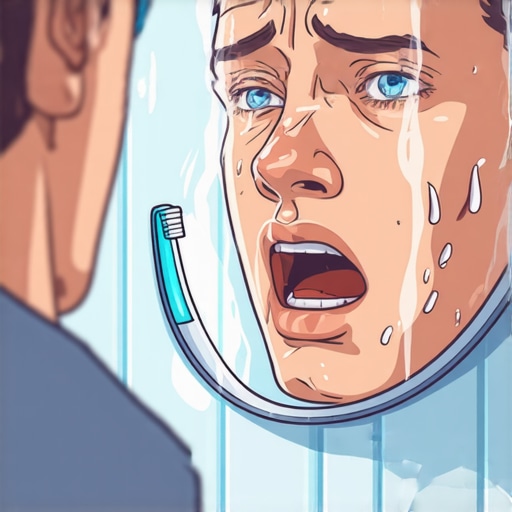
I remember a morning—standing in front of the mirror, fresh out of brushing and flossing, only to be hit with that stubborn, foul odor lingering in my mouth. It was frustrating! No matter how many times I scrubbed my teeth, that bad breath just wouldn’t quit. If you’ve ever found yourself in this exact spot, feeling confused and a little embarrassed, you’re not alone.
What’s really going on behind persistent bad breath?
Have you ever wondered why your mouth still smells less than fresh, even after diligently brushing three times a day? It turns out, the causes of bad breath are more complex than just needing a quick brush. Often, we overlook underlying issues like bacteria hiding between teeth, stubborn plaque, or even issues related to crowns, family dentistry, or orthodontic devices like Invisalign.
In my early days of dealing with this problem, I made the mistake of thinking that more brushing alone would solve the issue. But a simple increase in brush time didn’t address the root causes—especially if there were crowns or other restorations involved. Discovering that such dental work can harbor bacteria or plaque buildup was an eye-opener. Did you know that according to a recent study, up to 85% of all bad breath cases originate from bacterial buildup in the mouth? That’s a staggering number, emphasizing how essential it is to look beyond just brushing.
Many people assume that bad breath is just a hygiene issue, but the truth is, it can stem from various factors such as dry mouth, cavities, or even gum disease. Sometimes, the key lies in deep cleaning or specialized measures like professional crowns, which can sometimes trap odor-causing bacteria if not maintained properly.
If you’ve tried everything—brushing, flossing, using mouthwash—and still wake up or feel that your breath isn’t fresh, it might be time to explore other causes. Have your dental work checked? Is there an underlying health issue, or maybe bacteria thriving in hard-to-reach spots?
Before jumping to conclusions, consider reflecting on whether you’ve addressed all potential contributors, including misaligned teeth or crowns that need special cleaning techniques. Trust me, overlooking these details can leave you stuck with persistent bad breath—even when you feel you’re doing everything right.
In the next sections, I’ll walk you through practical steps and expert advice on how to tackle this problem effectively. Ready to restore that fresh confidence? Let’s dive into what really works.
Deep Clean Your Crowns and Orthodontic Devices
Start by meticulously cleaning around crowns, veneers, and Invisalign trays. Use a soft-bristled toothbrush and non-abrasive toothpaste to gently scrub all surfaces, including hidden areas like the gumline and interdental spaces. For crowns, special attention is needed as bacteria can hide under the edges, much like dirt tucked in the corners of a puzzle. In my experience, carefully cleaning these areas prevented buildup and significantly reduced odor. Consider an interdental brush or water flosser for thorough access, especially around brackets and crowns. Regular, targeted cleaning acts like a detailed excavation to remove concealed bacteria, which are often the root cause of bad breath.
Incorporate Antibacterial Rinses Into Your Routine
Next, introduce an antibacterial mouthwash into your daily regimen. Opt for alcohol-free formulations to avoid dry mouth, which can worsen bad breath. Swish for at least 30 seconds to reach difficult spots and kill lingering bacteria. I remember trying this after a stubborn session of cleaning my crown area — the difference was striking; fresh breath returned almost immediately. These rinses work like a shield, creating an environment hostile to odor-causing bacteria. Be cautious not to overuse, as excessive rinsing can upset your natural oral flora. For more tips on maintaining oral health with crowns and orthodontics, visit this guide.
Schedule Regular Professional Cleanings
Professionals can perform deep cleanings that eliminate bacteria lurking in your dental work. Schedule appointments every six months, or more frequently if recommended by your dentist. During these visits, your dental team will use specialized tools to remove tartar and plaque buildup that regular brushing might miss—especially underneath crowns or around wires of braces. In my case, a professional cleaning uncovered hidden plaque around a crown, which I had underestimated. Routine professional care is like routine maintenance for a machine: it prevents small issues from becoming big problems. Check out family dentistry trends for more insights on comprehensive oral health practices.
Maintain Good Oral Hydration
Dry mouth is a common culprit in bad breath, especially with brackets or dry-looking crowns. Ensure adequate hydration by drinking plenty of water throughout the day. Saliva acts as a natural cleaner, neutralizing acids and washing away bacteria. If you find yourself mouth-drying during the day, consider sugar-free chewing gum or saliva substitutes. During my experience, a simple increase in water intake made a noticeable difference overnight, freshening my breath without extra effort. Think of saliva as a built-in cleanup crew; keeping it active helps maintain a fresh mouth environment. Learn more about dry mouth solutions at this resource.
Consistent Oral Hygiene Habits Keep Odor at Bay
Finally, stick to a consistent routine: brush at least twice daily, floss meticulously, and clean orthodontic appliances as instructed. Implement techniques like brushing at a 45-degree angle to ensure plaque removal at the gumline and around crowns. Remember, your toothbrush should change every three months, like updating tools for optimal performance. In my case, maintaining discipline with hygiene routines led to a marked improvement within weeks, demonstrating the power of persistence. For tailored advice on choosing the right cleaning tools and techniques, visit expert guidance here.
While many believe that visiting the dentist once every six months suffices for good oral health, the reality is more nuanced. A prevalent myth is that crowns are invincible—people often assume they won’t require special cleaning or maintenance, yet neglecting this can lead to recurrent issues like bacterial buildup beneath the restoration, causing odor or even decay in surrounding teeth. Contrary to popular belief, family dentistry isn’t just about quick checkups; it involves personalized strategies to manage diverse oral health needs across ages, with an emphasis on proactive care and patient education. Many think Invisalign is a quick fix perfect for everyone, but in fact, its success heavily depends on proper compliance and understanding of its limitations, especially concerning complex cases involving crowns or prior restorations.
What are some advanced mistakes people make with crowns and orthodontic devices?
A critical error is underestimating the importance of meticulous cleaning around crowns and brackets. Bacteria can hide in hard-to-reach spots, leading to plaque accumulation and halitosis. Using improper tools or neglecting routine professional cleanings amplifies this risk. For instance, many overlook that mydentists recommend special flossing techniques or water flossers to maintain supra-gingival hygiene when crowns or braces are involved. Ignoring such details can cause bond failure or secondary decay, undermining long-term restorations.
Another trap is relying solely on over-the-counter mouthwashes, which may contain alcohol, dehydrating the oral tissues and paradoxically worsening bad breath. Instead, incorporating antibacterial rinses formulated to be alcohol-free and using them correctly enhances bacterial control without compromising moisture levels. Research from the Journal of Clinical Periodontology confirms that adjunctive antimicrobial mouth rinses significantly reduce periodontal pathogens when used alongside proper brushing and flossing.
Moreover, many patients assume that once a crown is placed, it doesn’t require attention. But neglecting regular checkups can result in unnoticed issues like cement detachment or margins deterioration, which can expose the underlying tooth structure or allow bacterial infiltration. Scheduling professional cleanings and evaluations—at least twice a year—is essential for preventing these problems.
Finally, the misconception that Invisalign’s clear aligners can be worn inconsistently leads to elongated treatment times or suboptimal results. Effective treatment is contingent upon adherence, including cleaning aligners properly, preventing staining, and following the orthodontist’s instructions diligently. Insights from Invisalign myths debunked emphasize how patient compliance impacts outcomes.
Have you ever fallen into this trap? Let me know in the comments. Remember, understanding these nuances helps you make informed decisions, ensuring your oral health investments pay off in lasting confidence and functionality. For comprehensive guidance tailored to your needs, visiting this article on crowns or consulting your dental professional can be invaluable.Maintaining the functionality of dental crowns, Invisalign aligners, and other family dentistry restorations requires more than just routine brushing. I personally rely on specialized tools like ultrafine interdental brushes and water flossers, which allow me to clean around crowns and braces effectively. For instance, the Waterpik Water Flosser is my go-to because it’s gentle yet powerful enough to dislodge food debris and plaque from hard-to-reach areas, significantly reducing the risk of bacterial buildup that can lead to bad breath or decay.
To ensure long-term success, I recommend using a disclosing tablet once a week. These tablets stain plaque, making it easier to identify overlooked areas during cleaning sessions. It’s akin to giving your mouth a diagnostic check to see where attention is needed most. This method not only prevents plaque accumulation but also reinforces good habits, especially around dental restorations.
How do I maintain my dental appliances over time?
Incorporating regular professional cleanings into your schedule is critical. During these visits, your dentist employs ultrasonic scalers that can remove tenacious tartar beneath crowns and around orthodontic wires—something at-home tools can’t always achieve. I’ve found that professional cleanings every six months, combined with diligent daily maintenance, preserve the integrity of restorations and prevent odor issues. To get ahead of potential problems, consider asking your dentist about advanced cleaning techniques like air-abrasion for delicate surfaces.
In the near future, I predict innovations in ultrasonic and laser cleaning technologies will become more accessible, making at-home maintenance even more effective. Staying informed about such advancements through resources like family dentistry trends helps you adapt and extend the lifespan of your dental work.
Besides mechanical tools, investing in antibacterial rinses formulated for restorations is crucial. Alcohol-free options like those containing cetylpyridinium chloride effectively reduce bacterial colonies without drying out your mouth, maintaining a balanced environment around crowns and braces. Remember, keeping your oral environment moist supports saliva flow, which naturally fights bacteria. According to a study published in the Journal of Clinical Periodontology, consistent use of antimicrobial rinses enhances periodontal health when used alongside proper hygiene routines.
Consider trying a water flosser and antibacterial rinse together for a comprehensive approach. These tools give you a sense of control over your oral health, preventing minor issues from escalating into costly repairs. Over time, this diligent maintenance not only prolongs the lifespan of your restorations but also boosts your confidence in your smile’s longevity. Think about scheduling your next professional cleaning early next year and discussing personalized maintenance strategies with your dentist. Click here to learn how tailored care can make a difference. Don’t wait for problems to become visible—stay proactive and keep your smile shining bright!Reflecting on my journey managing crowns, family dentistry, and Invisalign, I realized that consistent, personalized care is the key to lasting oral health. One eye-opening lesson was that neglecting the unique cleaning needs of crowns and orthodontic devices could undo months of maintenance. I also learned that integrating advanced tools like water flossers and antibacterial rinses can dramatically improve outcomes, but only if combined with professional guidance. Most importantly, I discovered that patience and proactive habits outweigh quick fixes—true oral health is a marathon, not a sprint. These insights have transformed how I approach my routine, ensuring my smile remains confident and healthy well into the future.