
The texture check: What a healthy tongue should actually feel like
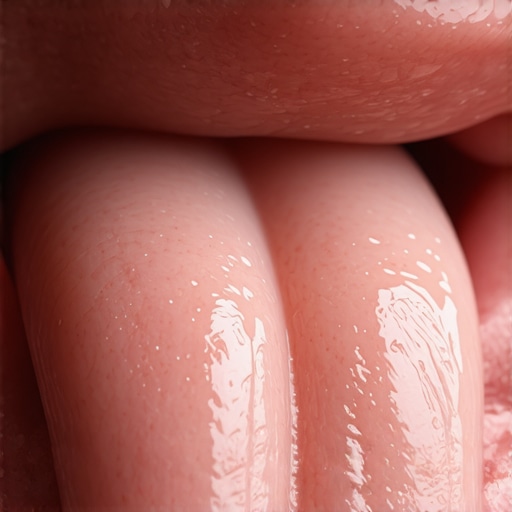
It happened suddenly during my morning routine—discovery that made me pause in front of the mirror with a sinking feeling. My tongue felt oddly coated, rough, and not quite right. That unsettling sensation was a lightbulb moment for me—realizing that the texture of my tongue could actually tell me a lot about my overall health. I remember thinking, “Could it be something serious?” and feeling a little worried. But after some research and a bit of self-examination, I found that understanding what a healthy tongue should feel like was less mysterious than I thought—and far more empowering.
Why Your Tongue Isn’t Just About Breath or Taste
Most people don’t think twice about their tongue—until there’s a problem. But this little muscle is actually a mirror reflecting your body’s internal health. For years, I focused on teeth whitening, crowns, and Invisalign treatments, but I overlooked a simple, natural health check right underneath my nose—or, more accurately, under my tongue. The texture, color, and coating can reveal issues from dehydration to more serious conditions like nutritional deficiencies or infections. That was a wake-up call for me, and I want to share what I’ve learned so you can catch early warning signs before they turn into something significant.
Is Tongue Texture Testing Overhyped?
Honestly, I used to think that paying attention to my tongue was a bit of a fad—until I made the mistake early in my dental journey of dismissing a strange coating as just coffee stain. That oversight delayed my awareness of an underlying infection that could have been detected earlier. It’s why I now advocate for straightforward checks like feeling your tongue daily. It’s a simple habit that could save you from discomfort—or worse. Recognizing what is normal versus abnormal is essential, especially when combined with professional dental assessments. Want to learn how to accurately interpret your tongue’s signals? Stick around, because what follows will be practical, reliable advice on keeping your tongue—and health—at their best.
Start Your Daily Tongue Inspection
Every morning, before brushing your teeth, stick out your tongue and examine its texture, color, and coating. Use a mirror to get a clear view. Feel the surface with your fingers—smooth, rough, coated? Are there any white patches, cracks, or discolorations? These small checks can act as a health dashboard. I remember noticing a slightly whitish coating one morning; initially, I dismissed it as a coffee stain, but a few days later, I observed the coating thickening and spreading. That prompted me to consult my dentist, which turned out to be an early sign of a minor infection that was easily treatable. Making this a habit can help you catch issues early before they escalate.
Learn Normal Versus Abnormal Tongue Signs
Understanding what a healthy tongue looks like is vital. A normal tongue generally has a pinkish color with a slightly Rough texture due to papillae—tiny bumps helping taste. An abnormal tongue may appear white-coated, inflamed, cracked, or have spots or ulcers. For example, a recurring coating on my tongue was a red flag, prompting me to investigate further. Recognizing these signs is similar to noticing a warning light on your car dashboard—it’s an alert to check what’s going on beneath the surface.
Use the Texture as a Diagnostic Tool
Texture is a key indicator. A rough, coated tongue can signal dehydration, poor oral hygiene, or nutritional deficiencies like B12 shortage. Conversely, a shiny, smooth tongue might suggest anemia. Once I felt my tongue’s coating thickening, I increased my water intake, improved my diet, and adopted better brushing habits. This simple step is akin to checking the oil in your engine—small, regular checks prevent larger problems. If you’re unsure what your tongue is telling you, consult your family dentist—who can also advise on maintaining oral health, including guides on [invisalign](https://familydentistpro.com/invisalign-innovations-the-future-of-family-dentistry-revealed-at-1137-am) or crowns, which might be relevant if your oral health issues advance.
Document Changes for Professional Consultation
Keep a mental or written record of any persistent or progressive changes. Take clear photos periodically—preferably with good lighting—and note associated symptoms. When I noticed my tongue coating didn’t improve after a few days, I showed my dentist my photos. This documentation helped in diagnosing a mild fungal infection early, leading to effective treatment and avoiding more invasive procedures. Think of it as a health journal, providing your dentist with precise info to tailor your treatment plan, whether it’s about [crowns](https://familydentistpro.com/the-ultimate-guide-to-crowns-for-a-healthier-smile) or other restorative work.
Combine Self-Assessment with Professional Checks
While self-examination is essential, it should not replace regular dental visits. Schedule periodic checkups, especially if you notice ongoing changes. During my recent visit, my dentist confirmed that targeted professional cleaning and diet adjustments would maintain my oral and systemic health. Remember, your tongue is a vital health indicator—don’t ignore its signals. For comprehensive guidance, explore [top oral health tips](https://familydentistpro.com/top-oral-health-tips-for-your-familys-bright-smiles) or contact a family dentist for personalized advice. Keep listening to your body’s cues—it’s a simple, free way to stay ahead of potential health issues.Even seasoned dental professionals often encounter patients holding onto outdated beliefs about oral health and restorative treatments like crowns and Invisalign. Let’s dig deeper into some prevalent misconceptions that can hinder optimal dental care and reveal the nuanced truths that every informed patient should grasp.
One widespread myth is that all dental crowns are the same, leading many to believe price or material differences don’t matter. The reality is that crowns vary significantly in durability, material properties, and suitability for different teeth. For instance, porcelain crowns offer a natural look but may not withstand the same biting force as a zirconia crown, which is much more durable. Choosing the right type depends on both functional needs and aesthetic preferences, and consulting a specialist can make all the difference. To learn more about choosing the best option, explore our detailed guide on long-lasting crowns.
Many believe that Invisalign is just another aligner option, but some misconceptions overlook the sophisticated technology behind it. Advanced imaging and computer modeling enable Invisalign to craft precise tooth movements, often rivaling traditional braces in complex cases. This precision minimizes unwanted side effects, like root resorption or periodontal issues, which are sometimes associated with poorly planned orthodontics. An expert consultation can optimize your treatment plan, ensuring alignment and long-term oral health. Read more about how Invisalign is transforming family dentistry here.
Can I get away with ignoring early signs of dental issues?
This is a trap many fall into—believing that small symptoms like mild sensitivity or slight coating will resolve on their own. However, these signs often indicate underlying problems such as enamel erosion or developing decay, which require prompt attention. Neglecting them can lead to more invasive treatments later, including root canals or extractions. Regular self-assessment, combined with professional checkups, creates a safety net. For instance, early detection of cavities allows for minimally invasive restoration, preserving your natural tooth structure. Don’t underestimate the power of early intervention; it is your best defense. For comprehensive tips, visit top oral health tips.
Another misconception is that family dentistry is only about children, but in fact, it encompasses a holistic approach to oral health for all ages. The latest techniques, including preventative care and advanced restorations, help keep everyone in the family healthy. For example, integrating cosmetic solutions like veneers or crowns can boost self-confidence and prevent further deterioration.
By challenging these myths, we embrace a more informed approach to dental health—one that combines modern science with personalized care. What about you? Have you ever fallen into this trap? Let me know in the comments!
Keep Your Smile Healthy with Precision Tools
Maintaining optimal oral health over the years requires more than just regular brushing and flossing; it involves investing in reliable, professional-grade tools that make daily routines effective and convenient. Personally, I rely on a few key devices to ensure my teeth and gums stay in top condition. One of my top recommendations is the AirFloss by Philips Sonicare. This device utilizes micro-droplet technology to clean between teeth efficiently, reaching areas traditional floss often misses. I find it especially helpful for family members who struggle with manual flossing, making it a game-changer in preventive care.
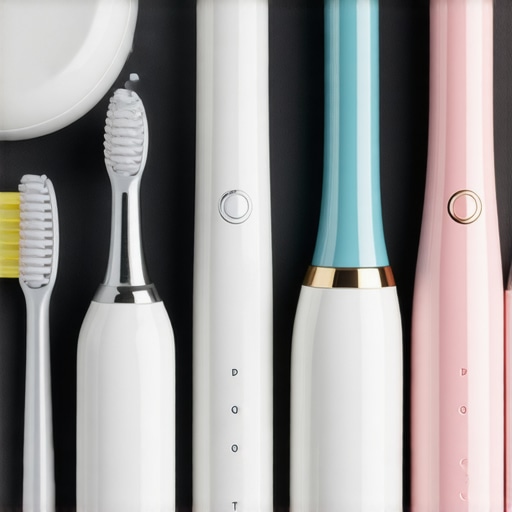
Another essential is the Sonicare ProtectiveClean 6100 electric toothbrush. The sonic vibrations provide thorough plaque removal while being gentle on gums. I prefer this over manual brushes because it ensures consistent pressure and coverage, saving me time and increasing cleanliness. Regular professional checkups reinforce these daily habits, but having the right tools at home amplifies their impact.
Maximizing the Benefits of Dental Restorations
When it comes to restorations like crowns, choosing the correct maintenance approach is crucial. Using a specialized interdental brush helps prevent decay at the margins and keeps your restoration looking and functioning well longer. Personally, I opt for these small, tapered brushes to carefully clean around crowns and bridges without risking damage—something standard brushes can’t always achieve effectively.
Predicting the Future of Oral Hygiene Tools
Looking ahead, I believe technology will continue to revolutionize at-home oral care. Devices integrating AI might soon offer real-time feedback on brushing pressure or detect early signs of gum disease through connected sensors. Already, smart toothbrushes with app integration provide detailed analytics to track your progress. Embracing these innovations will empower us all to take more control over our long-term oral health.
How do I keep my dental tools effective over time?
Maintenance is key—regularly cleaning your electric toothbrush heads and replacing floss or interdental brushes prevents bacteria buildup and ensures optimal performance. I recommend setting a reminder to replace brush heads every three months and sterilizing digital devices with alcohol wipes weekly. Implementing a routine for tool upkeep extends their lifespan and maintains their efficacy, ultimately supporting your ongoing oral health journey. For more tips on integrating these practices into your routine, visit our latest family dentistry trends.
If you’re serious about superior oral health, I urge you to try upgrading your toothbrush with a smart model and incorporating interdental brushing into your daily routine. Small investments like these can produce impressive long-term results—saving you discomfort and expense down the line. Remember, the right tools paired with consistent care will keep your smile working as hard as it should for decades to come.
Lessons the Tongue Never Tells You—Until It Does
- One of my biggest surprises was realizing that ignoring early tongue signs almost cost me a root canal—trust me, listening early can save a lot of trouble later.
- Discovering that tiny cracks and coatings are often warning signals, I learned to trust my body’s cues—your tongue is a natural health report card waiting to be read.
- The most profound lesson came from my experience with persistent coatings—ignoring them meant missing the chance for simple, early intervention that could preserve my smile long-term.
Tools That Turn Self-Care Into Expert-Level Hygiene
- The professional-grade electric toothbrush I rely on has transformed my daily routine—it’s like having a dental hygienist at home, ensuring my smile stays bright and healthy.
- The interdental brushes I adopted are small but mighty, reaching places regular floss can’t, helping me prevent cavities around my crowns and implants.
- Investing in a UV sanitizer for my toothbrush heads keeps bacteria at bay, giving me peace of mind that my tools support rather than hinder my oral health journey.
- For enhanced cleaning and early detection, I trust smart toothbrushes that sync with my app—technology that’s actually making a difference.
Your Smile’s Future Starts Today
Remember, your tongue is a subtle but powerful indicator of your overall health, and paying close attention to it can be a game-changer for your family’s dental journey. Don’t wait for issues to become painful or costly—start regular self-assessments now and consult your family dentist for personalized care. Your healthy, confident smile is worth every small step you take today.
What tongue signs have you noticed that prompted you to seek professional advice? Share your experiences below—I’d love to hear your story!
.