
Why your gums ache when you’re coming down with a cold
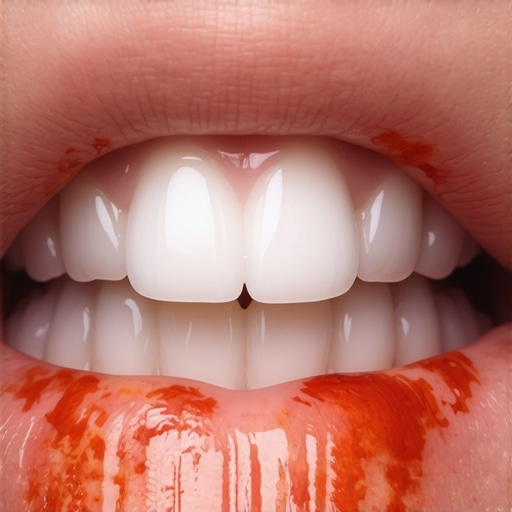
Picture this: you’re already feeling under the weather, battling a stubborn cold, when suddenly, your gums start to throb painfully. It’s as if your mouth is throwing a mini tantrum while your body fights off the virus. I remembered the first time this happened to me—thinking it was just a coincidence, only to realize later that there’s actually more to it than meets the eye. This lightbulb moment made me dig deeper into why our gums sometimes act up during a cold, and I want to share what I’ve learned so you don’t have to suffer in confusion.
The Hidden Connection Between Your Cold and Gums
Many folks don’t realize that your immune system, mouth health, and cold symptoms are more intertwined than they seem. When you’re coming down with a cold, your body’s defenses are on high alert, which can cause swelling and heightened sensitivity in your gums. It’s not just all in your head—it’s a real physiological reaction. For years, I used to brush off the gum discomfort, thinking it was just a minor irritation, but I later learned it’s a sign your body is battling infection on multiple fronts. Understanding this connection is crucial because ignoring gum pain during a cold could lead to more serious issues like gingivitis or even dental infections.
Research shows that viral illnesses can exacerbate existing periodontal issues or cause temporary inflammation that manifests as sore or bleeding gums. According to the American Academy of Periodontology, immune responses during illness can increase inflammation in the tissues supporting your teeth, making gums feel sore and sensitive. So, if you’ve noticed this uncomfortable gum ache during your cold, rest assured you’re not alone—and it’s a common, yet often overlooked, part of your immune response.
Ever Thought Your Cold Could Harm More Than Just Your Sinuses?
One mistake I made early on was dismissing this gum pain as insignificant and neglecting my oral hygiene routine. That was a rookie error. Proper care—like maintaining good brushing habits and using an anti-inflammatory rinse—can actually help alleviate discomfort and prevent further issues. So, if you’ve faced this problem, stay tuned. I’m about to walk you through simple yet effective steps to soothe those gums and protect your oral health during cold season.
Start with Gentle Oral Hygiene
During a cold, your gums are already inflamed, so aggressive brushing can worsen discomfort. Use a soft-bristled toothbrush and gentle circular motions to clean your teeth and gums twice a day. I once rushed through my routine and felt added soreness; switching to gentle brushing made a noticeable difference in reducing pain and preventing bleeding.
Use Anti-Inflammatory Mouth Rinses
Incorporate an alcohol-free, anti-inflammatory rinse into your routine to soothe swollen gums. I experimented with a homemade saltwater rinse—dissolving half a teaspoon of salt in warm water—and found it reduced inflammation after just a few applications. Regular use can flush out irritants and promote healing.
Maintain Hydration and Dietary Choices
Dehydration can exacerbate gum sensitivity during illness. Drink plenty of water and avoid sugary or acidic foods that irritate inflamed tissues. During one particularly rough cold, I switched to soft, bland foods like yogurt and warm broths, which minimized gum discomfort and supported healing.
Apply Cold Compresses for Immediate Relief
Placing a cold pack on your jaw can numb pain and reduce swelling. I placed a wrapped ice pack against my cheek for 10-minute intervals, which provided quick relief during peak soreness. Use this method cautiously to avoid ice burns, and always wrap the ice in a cloth.
Think About Professional Dental Care
If your gum pain persists beyond the cold or worsens, consult your family dentist. They may recommend treatments like applying a soothing gel or inspecting for underlying issues. Regular check-ups—like those detailed in family dentistry secrets—are crucial, especially during illness seasons, to catch early signs of complications.
Integrate Protective Dental Products
If you wear dental appliances, ensure they are clean and fit well to prevent additional gum irritation. Clear aligners like Invisalign—discussed in Invisalign benefits—can also be helpful in maintaining oral health during temporary gum sensitivities when properly managed. Regular professional guidance can help you choose the right products and techniques for your needs.
Many people believe that choosing between dental treatments like crowns or Invisalign is simply a matter of aesthetics or cost, but the reality is far more nuanced. For example, a widespread myth is that crowns are only for cosmetic fixes; in truth, they are a vital component of restorative dentistry, offering long-term durability and structural support, which you can learn more about in our detailed guide on [why crowns are a game-changer in restorative dentistry](https://familydentistpro.com/why-crowns-are-a-game-changer-in-restorative-dentistry).
Another misconception is that Invisalign is just a cosmetic alternative to braces. While it’s true that Invisalign offers discreet orthodontic correction, advanced innovations have made it capable of addressing complex bite issues, which were traditionally managed only with metal braces, as discussed in [Invisalign innovations and the future of family dentistry](https://familydentistpro.com/invisalign-innovations-the-future-of-family-dentistry-revealed-at-1137-am).
Many assume that oral health is mainly about avoiding cavities; however, alveolar bone loss, periodontal disease, and systemic health connections are often overlooked. For example, untreated gum issues can contribute to heart disease, emphasizing the importance of comprehensive family dentistry that includes periodontal care, as highlighted in [family dentistry secrets for maintaining oral health with modern techniques](https://familydentistpro.com/family-dentistry-secrets-maintaining-oral-health-with-modern-techniques-at-254-pm).
A subtle trap many fall into is neglecting the importance of personalized treatment plans. Not all crowns or Invisalign aligners are created equal, and choosing the wrong type or material without professional guidance can compromise longevity and oral health. For instance, the choice between porcelain and zirconia crowns has significant implications, which are explained in [choosing the right crown and advice for long-lasting results](https://familydentistpro.com/choosing-the-right-crown-expert-advice-for-long-lasting-results).
Furthermore, there’s a dangerous misconception that once a dental issue is fixed, it’s permanently resolved. In reality, maintenance and follow-up care are essential to prevent recurrence or new problems. Regular professional guidance, available through trusted family dental practices, ensures that your oral health remains optimal over time.
Finally, understanding the biological nuances, such as how aging affects enamel and gums, is often neglected. For example, enamel tends to thin with age, increasing sensitivity and decay risk, challenges that can be mitigated with advanced treatment options and preventive strategies outlined in our comprehensive approach to oral health.
In essence, being aware of these hidden nuances and debunking common myths can profoundly impact your oral health journey. Have you ever fallen into this trap? Let me know in the comments! Stay proactive, and remember—good oral health is a lifelong commitment supported by knowledgeable professionals.Maintaining optimal oral health requires more than just routine brushing and flossing; it involves leveraging the right tools and methods that are tailored to your unique dental needs. One essential device I personally swear by is an ultrasonic toothbrush. Unlike manual brushes, ultrasonic models use high-frequency vibrations that effectively disrupt plaque even in hard-to-reach areas, making daily cleaning more efficient and gentle on sensitive gums. I recommend brands like Philips Sonicare or Oral-B because they’ve consistently demonstrated superior plaque removal and gum care, supported by clinical studies published in dental research journals. Incorporating a water flosser, such as the Waterpik, has revolutionized my daily flossing routine, especially for patients with braces or crowns, because it flushes out debris and reduces inflammation without forcing delicate tissues. Regular use of such devices aligns with modern dentistry’s movement towards minimally invasive, preventative care that prolongs the lifespan of restorations like crowns, which I advise consulting about at this detailed guide. Looking ahead, emerging technologies like AI-powered monitoring apps are likely to play an increasingly prominent role, alerting you to early signs of issues before they escalate, thus allowing proactive maintenance. To keep your dental tools and routine effective over time, I recommend establishing a disciplined maintenance schedule: replace toothbrush heads every three months, sanitize devices regularly with antibacterial wipes, and schedule semi-annual dental check-ups. How do I maintain my dental tools for optimal performance over time? I personally clean my ultrasonic toothbrush head daily and change it quarterly, ensuring maximum efficiency and hygiene. Don’t overlook the significance of using proven tools; it’s a fundamental investment in your long-term oral health. Ready to upgrade your routine? Try incorporating an ultrasonic toothbrush and see immediate improvements in cleanliness and gum comfort. For personalized advice on choosing the best tools for your situation, consider consulting your family dentist, which you can easily do by visiting their contact page.
Reflecting on my journey through family dentistry, I realized that the most valuable lessons often come from those hidden truths and personal insights that aren’t always shared openly. From deciphering the real benefits of crowns and Invisalign to understanding how everyday habits impact your family’s oral health, these revelations have transformed my approach and can do the same for you.
The Hardest Lesson I Learned About Family Dental Care
One profound realization was that not every dental concern requires immediate invasive treatment. Sometimes, patience and preventive measures can save you from unnecessary procedures. Early in my experience, I dismissed minor gum issues as temporary, only to find that ignoring them led to more complex problems. Recognizing the importance of consistent check-ups and personal vigilance was a game-changer.
3 Myths About Crowns and Invisalign That Held Me Back
Believing that crowns were purely cosmetic or that Invisalign was only for adults limited my options. In truth, crowns are vital for restoring functionality, especially in a family setting, and Invisalign’s latest innovations effectively address complex alignment issues across all ages. Busting these myths opened new pathways to restore and enhance my family’s smiles confidently.
What Experts Won’t Tell You About Maintaining Oral Health in Children
Keeping kids’ teeth healthy is often misunderstood as merely regular brushing. The real secret lies in early education, proper dietary choices, and tailored dental products. Fostering a proactive approach can prevent future complications, making routine visits less stressful and more effective.
Curated Recommendations for a Healthier Smile
For comprehensive family dental care, I rely on trusted tools like the Philips Sonicare toothbrush, known for its proven plaque removal capabilities, and the Waterpik water flosser, which simplifies challenging flossing routines. Educational resources like the detailed articles on why crowns are a cornerstone of restorative dentistry and the future of Invisalign innovations provide invaluable insights to keep your family’s oral health on track.
The Journey Continues: Embrace Your Smile Transformation
The most inspiring part of this journey is recognizing that improving oral health is an ongoing adventure, not a one-time fix. You’re empowered to make informed decisions, adopt better habits, and consult professionals dedicated to your family’s well-being. Every step you take toward understanding and action brings you closer to a brighter, healthier smile for all.
What’s the biggest misconception you’ve had about family dentistry or oral health? Share your experiences below—I’d love to hear your story!