
How to keep your gums from receding further
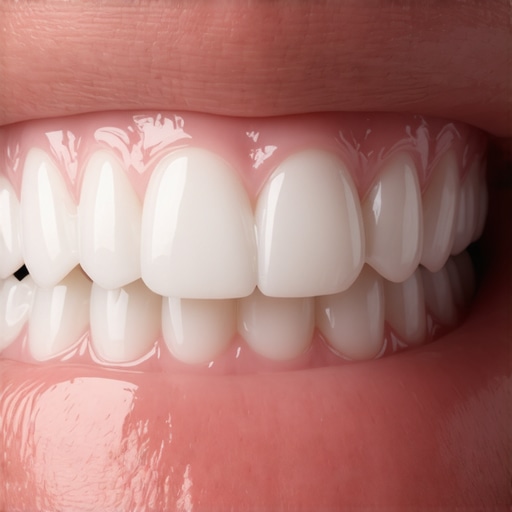
I remember the moment vividly. I was brushing my teeth before bed, and as I looked in the mirror, I was struck by something unsettling—my gums looked like they were creeping away from my teeth. It felt like my smile was vanishing bit by bit. That realization was a lightbulb moment for me. I wasn’t just concerned about how my smile looked; I was genuinely worried about my oral health and the long-term consequences.
Gum recession isn’t just a cosmetic issue. If left unmanaged, it can lead to increased tooth sensitivity, higher risk of decay, and even tooth loss. Many folks brush off early signs, thinking it’s just part of aging or brushing too hard. But ignoring it can be a costly mistake. I’ve learned through personal experience and research that preventing your gums from receding further requires a mix of good habits, proper dental care, and understanding what to avoid.
Today, I want to share what I’ve discovered about protecting your gums. Whether you’ve just noticed slight changes or want to prevent future issues, these tips can make a real difference. Think of it as your friendly neighbor’s advice—a little knowledge, combined with consistent action, can preserve your smile for years to come.
Why Taking Action Now Matters More Than Ever
The truth is, gum recession progresses gradually. It often creeps up unnoticed until it’s advanced enough to cause discomfort or visible changes. The good news? Early intervention can halt or slow down this process significantly. Modern dentistry offers effective methods to manage and even reverse minor receding gums, especially when caught early.
I learned that a common mistake early on was overzealously brushing—thinking that tougher cleaning meant better results. But aggressive brushing can damage your gum tissue, accelerating recession. Instead, gentle techniques combined with the right tools and professional guidance offer a safer, more effective approach. For instance, exploring family-friendly dental techniques with your trusted dentist can be a game-changer. You can find more about innovative family dental practices and modern techniques at this detailed guide.
Another critical point is understanding that lifestyle choices impact gum health. Smoking, poor diet, and stress are surprisingly big contributors to worsening recession. Making small adjustments—like quitting smoking or eating anti-inflammatory foods—can support your gums.
So, if you’ve ever felt that annoying sensitivity after a hot coffee or notice that your gums are slightly pulling away, you’re not alone. Many people overlook these signs. But the key is awareness and taking action early.
In the sections ahead, I’ll walk you through practical, proven steps to keep your gums healthy and prevent further recession. It’s simpler than you might think—and yes, it can genuinely make a difference in maintaining that beautiful, confident smile of yours.
Master Gentle Brushing Techniques
During my own journey, I realized that aggressive scrubbing worsened my gum recession. To correct this, I switched to using a soft-bristled toothbrush and gentle circular motions. This approach minimizes gum damage while effectively cleaning teeth. I found that replacing my toothbrush every three months prevented frayed bristles, which can inadvertently harm gums. Remember, a proven method by modern family dentistry experts advocates for gentle brushing as fundamental to gum health.
Implement Flossing That Protects Your Gums
Flossing is vital but often misused. I learned to slide the floss gently between teeth without snapping, avoiding trauma to the gum margin. Using a floss threader or water flosser can reduce abrasion, especially around sensitive areas. This technique keeps plaque at bay, which is key since plaque buildup accelerates recession. For specific guidance, check out this detailed flossing guide.
Adopt Nutritional Habits for Gum Strength
Diet impacts gum resilience more than many realize. I incorporated foods rich in vitamin C, like oranges and strawberries, known for collagen synthesis essential to gum tissue repair. Additionally, avoiding sugary snacks prevents bacterial growth that leads to inflammation. I also included omega-3 fatty acids from fish, which reduce inflammation. This small shift made a noticeable difference in my gum health over weeks. Remember, a balanced diet is as powerful as any topical treatment.
Consider Professional Interventions When Needed
Sometimes, home care isn’t enough, especially if recession progresses. Visiting a dentist for scaling and root planing removes tartar beneath the gums, halting further recession. I once experienced worsening sensitivity, prompting a professional consultation. My dentist recommended and performed a deep cleaning, followed by patient education on maintained oral hygiene. If recession is advanced, options like gum grafts can restore tissue—details of such procedures are explained at this resource.
Avoid Harmful Lifestyle Choices
Smoking was a major setback in my journey; quitting improved my gum tissue’s ability to heal. Nicotine constricts blood vessels, impeding nutrient flow necessary for tissue repair. Additionally, managing stress reduces cortisol levels, which can negatively affect immune response. Limiting alcohol consumption also supports oral health. These lifestyle modifications are simple but impactful steps to preserving your gums.
Integrate Orthodontic Solutions for Alignment and Gum Health
If crooked teeth or bite misalignments contribute to recession, orthodontic treatments like Invisalign can help. I was hesitant at first, but learning that clear aligners are less invasive and align teeth for better gum health convinced me to try. Invisalign’s contemporary innovations, outlined at this article, demonstrate their effectiveness in improving oral health alongside aesthetics. Properly aligned teeth reduce uneven pressure, preventing gum erosion caused by misalignment.
Stay Consistent and Monitor Progress
Consistency was my biggest challenge—forgetting to floss or skipping check-ups only worsened my situation. Setting reminders and scheduling regular dental visits ensure early detection of issues. I kept a gum health journal, noting sensitivity or bleeding, which helped my dentist tailor personalized care. Remember, proactive monitoring is key to long-term gum preservation.
When it comes to improving our smiles, many of us hold misconceptions that can hinder our progress or even cause harm. Let’s dig deeper into some common myths and reveal nuanced truths that only true dental enthusiasts or professionals might recognize.
One widespread belief is that all crowns are created equal. In reality, the quality of a crown depends significantly on the expertise of the dentist and the materials used. Many assume a crown bought from a local store or ordered online suffices, but this often leads to short-lived results or mismatched aesthetics. For long-lasting, comfortable crowns, it’s crucial to choose a specialist trained in the latest techniques, as outlined in expert guidance.
A common mistake in family dentistry is to believe that a single visit can resolve complex issues. While modern advancements allow for faster procedures, effective care still requires comprehensive assessment and tailored treatment plans. Rushing into procedures without proper diagnostics can lead to incomplete healing or future complications. Family dental experts emphasize the importance of regular check-ups and personalized strategies to ensure overall health, detailed in latest family care techniques.
Many think that orthodontic treatments like Invisalign are solely cosmetic solutions. However, the nuanced benefits extend beyond aesthetics. Correcting misalignments can improve bite function, reduce uneven wear, and prevent gum recession caused by uneven pressure. Interestingly, some patients overlook the latest innovations in Invisalign technology that accelerate tooth movement and improve comfort. For an in-depth look, see this exploration of Invisalign
advancements.
A trap many fall into is believing that oral health is solely about avoiding cavities. In fact, gum health is equally vital, yet often neglected. Receding gums, bleeding, or persistent bad breath can indicate deeper issues that require specialized attention. Ignoring these signs can lead to tissue loss or tooth loss. Advanced techniques in family dentistry now offer minimally invasive solutions that aid regeneration and preserve natural tissue—details you can find in comprehensive family oral health strategies.
Have you ever fallen into this trap? Let me know in the comments. Recognizing these nuanced truths helps us make informed choices, leading to healthier smiles and greater confidence.Maintaining optimal oral health requires more than just regular brushing and flossing; it hinges on the right tools, consistent routines, and understanding future trends to keep your smile shining. One of my top recommendations is investing in a high-quality electric toothbrush, like the Philips Sonicare ProtectiveClean. I personally prefer this model because its sonic technology provides gentle yet efficient cleaning, effectively removing plaque without damaging delicate gum tissues, which is crucial for preventing recession and ensuring long-term gum health. The built-in pressure sensor also alerts me if I brush too hard, a common pitfall in oral care. To stay ahead, I follow updates from dental technology innovations through resources like the American Dental Association’s technical summaries, which predict that AI-powered toothbrushes with real-time feedback will become mainstream in the next few years. These devices will analyze your brushing patterns and suggest personalized improvements, making daily routines smarter and more effective. How do I maintain my dental tools over time? Regularly replacing brush heads every three months, as recommended, prevents bacterial buildup and maintains cleaning efficacy. Additionally, I schedule bi-annual professional cleanings, as they are vital in removing tartar and assessing the health of gums and crowns, which can deteriorate unnoticed. For example, when using crowns, I rely on a gentle interdental brush specifically designed for prosthetics—these tools reach tight spaces with minimal discomfort, reducing the risk of decay around the margins. This aligns with expert advice from family dentistry specialists, emphasizing personalized maintenance routines to ensure longevity of restorations. As I look toward the future, innovations like AI-integrated intraoral cameras will make at-home monitoring of oral health more accessible, enabling early detection of issues before they escalate. Incorporating these cutting-edge tools into your daily routine can significantly preserve your oral health, save money on future treatments, and boost your confidence. If you’re serious about protecting your investment in your smile, I encourage you to try updating your brushing routine with an intelligent electric toothbrush—it’s a game-changer in preventive dental care.
What I Wish I Knew Before Choosing My Crowns
Choosing dental crowns wasn’t just about aesthetics; I learned that material quality and expert placement greatly influence longevity. Skimping on a reputable specialist led to more trips to the dentist than I expected, illuminating the importance of consulting with qualified professionals like those discussed here. This taught me that investing in proven expertise yields hassle-free, durable results.
How I Discovered Family Dentistry’s Modern Secrets
Early on, I thought root canals and crowns were all the same until I realized that family dentistry now employs less invasive, more patient-friendly techniques that reduce recovery time. Reading this guide opened my eyes to how innovative tools and personalized care can effectively maintain oral health across generations. It made me realize that choosing a family dentist means prioritizing long-term wellness over quick fixes.
The Power of Invisalign Beyond Looks
I believed braces were purely cosmetic until I learned about how Invisalign can realign not just teeth but also balance bite pressure, which protects gums from recession. The advancements explained here showed me that modern aligners are more comfortable, faster, and can prevent future dental issues—an eye-opener that made me reconsider orthodontic options for my family.