
Why your gums throb after eating spicy food
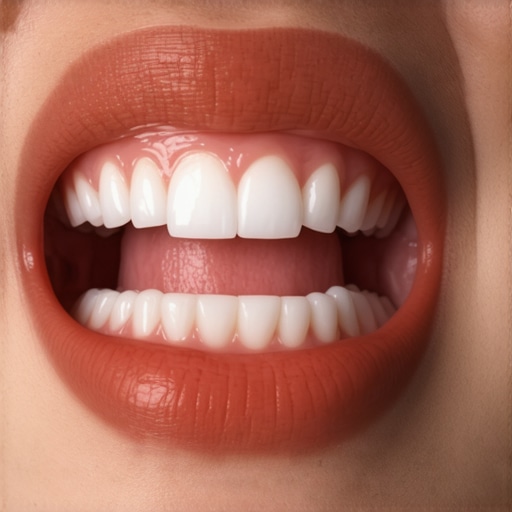
Ever since I first dove into a fiery bowl of spicy chili, I’d find myself wincing in discomfort just minutes later. The sensation was familiar but confusing—why did my gums, of all places, suddenly throb and bother me for no apparent reason? It felt like my mouth had developed a mind of its own, turning a delicious indulgence into a source of pain. I remember thinking, ‘Is this normal? Or am I doing something wrong?’ That lightbulb moment led me down a rabbit hole of dental research, and let me tell you—you’re not alone in asking this question.
Understanding Why Your Gums React to Spicy Foods
Is Sensitivity the Culprit or Is There More to It?
Initially, I made the mistake of assuming that spicy foods simply upset my taste buds or caused temporary discomfort. But over time, I discovered that my gums’ throbbing was more than just a fleeting irritation—it’s often a sign of underlying sensitivity or irritation of the delicate gum tissue. Spicy ingredients like capsaicin can irritate oral tissues if they are already inflamed or compromised. Moreover, if you have minor gum issues, such as gingivitis or receding gums, spicy foods can make the situation worse by increasing blood flow to the area, leading to that throbbing sensation.
It’s also worth noting that some individuals may be more prone to gum sensitivity without realizing it. Regular dental checkups can reveal early signs of gum disease or other issues that make your tissues more reactive to certain foods. I learned early on the importance of proper oral hygiene, and I wish I had paid closer attention to my gum health before tackling spice after spice. For deeper insights, I recommend checking out how crowns can restore oral health—sometimes, addressing the root problem prevents these reactions altogether.
So, if your gums throb after spicy meals, it might not just be about the food. It’s a signal that your oral tissues could benefit from some extra care or professional attention. In the next sections, I’ll share practical steps based on my personal experience and trusted dental practices to help you enjoy your favorite spicy dishes without the discomfort.
Before we jump into solutions, I’d love to know—have you faced this problem? How do your gums react when you indulge in something fiery? Let’s figure this out together and get your mouth back to feeling comfortable after every meal.
Become Your Own Gum Protector
Start with Gentle Oral Hygiene
In my own experience, switching to a soft-bristled toothbrush was a game-changer. It’s like replacing a harsh scrub brush with a feather duster—less abrasion, less irritation. I made it a habit to brush twice daily with toothpaste formulated for sensitive gums, which often contains soothing agents like aloe or chamomile. This approach helps reduce inflammation and provides a gentle cleaning routine that won’t further inflame sensitive tissues.
Use Targeted Rinses to Calm Irritation
I began rinsing with a specially formulated mouthwash that contains ingredients like hydrogen peroxide or fluoride to promote healing and reduce sensitivity. Swishing after spicy meals helps wash away capsaicin residues that irritate the gums. Remember, avoid alcohol-based mouthwashes that can dry out tissues, worsening sensitivity.
Nourish and Protect With Natural Remedies
Applying a gel containing aloe vera or a natural oil like coconut directly to sensitive areas offers immediate relief. I once dabbed a small amount of aloe vera gel onto my gums before bed, which significantly decreased discomfort overnight. Think of it as a soothing bandage for your oral tissues—supporting healing and reducing pain.
Adjust Your Diet to Reduce Strain
Opt for Cooler, Milder Foods
After experiencing discomfort, I learned to avoid super spicy dishes and instead chose cooler, milder options like yogurt or cucumber salads. Cooling foods act like a swamp cooler for your gums, reducing inflammation and calming irritated tissues. I also limited acidic foods like citrus, which can further aggravate sensitivity, especially if gum recession has occurred.
Stay Hydrated and Healthy
Drinking plenty of water throughout the day not only flushes out irritants but also keeps tissues moist and resilient. Hydration can prevent your gums from drying out, which is crucial if they’re inflamed due to spice or other irritants. Incorporate foods rich in vitamins C and D—think citrus fruits and fatty fish—which support gum health and tissue repair.
Seek Professional Advice for Lasting Relief
Consult A Dentist for Accurate Diagnosis
If discomfort persists beyond a few days, it’s essential to see a dental professional. They can identify underlying issues such as gum recession, gingivitis, or even early signs of periodontal disease. I opted for an appointment after weeks of ongoing sensitivity, and my dentist recommended a deep cleaning and a tailored treatment plan. For trusted dental expertise, consider visiting family dentistry insights that inform personalized care strategies.
Explore Restorative Solutions When Needed
In some cases, addressing structural concerns like receding gums or damaged tissue requires advanced treatments such as gum grafts or crowns. Think of these like reinforcement beams in a building—they restore stability and prevent further issues. I learned that a well-placed crown can protect a compromised tooth and ensure overall gum health, making spicy foods less risky in the future. For detailed guidance on crowns, visit this comprehensive crown guide.
When it comes to oral health, there’s a lot of misinformation floating around, especially about treatments like Invisalign, crowns, and the role of family dentistry. As an experienced dental professional, I want to share some lesser-known nuances that can save you from costly mistakes or misconceptions. Many people believe that Invisalign is only suitable for minor misalignments, but in reality, advanced cases can benefit just as much, provided you’ll work with an experienced orthodontist. Check out this resource for common misconceptions about Invisalign.
Another falsehood is that crowns are purely aesthetic; however, they also restore structural integrity to damaged teeth, preventing further decay or fracture. The hidden nuance is understanding the different types of crowns—metal, porcelain-fused-to-metal, all-ceramic—and choosing the right one based on functionality and longevity. You can learn more about this at this link.
Many assume family dentistry is only for children or routine cleanings. In truth, a comprehensive family dentistry plan involves personalized, advanced care for all ages, including preventive strategies that adapt as your oral health evolves. Trends like digital scans and minimally invasive procedures are transforming how we approach regular checkups—see this article for details.
Have you ever fallen into this trap? Let me know in the comments. Now, let’s explore some hidden pitfalls that even savvy patients often overlook before committing to these popular treatments.
Maintaining your dental work and overall oral health over the years requires more than just good brushing habits. Investing in the right tools and adopting proven methods can significantly extend the lifespan of restorations like crowns or aligners such as Invisalign, while also preventing common issues. I personally rely on specific equipment and routines that streamline my dental care and ensure long-lasting results.
Selecting the Right Electric Toothbrush
For daily cleaning, I swear by the Oral-B Genius X. Its oscillating-rotating technology combined with Bluetooth connectivity allows me to track my brushing habits and ensure I reach every tricky spot, especially around crowns and implants. The built-in sensors alert me when I’m brushing too hard, protecting vulnerable enamel and gum tissues. Unlike manual brushes, a quality electric toothbrush ensures thorough cleaning that preserves restorative work—a crucial factor in preventing recurrent decay or gum irritation.
Using Advanced Oral Hygiene Devices
In addition to my electric toothbrush, I incorporate a water flosser like the Waterpik Sonic-Fusion. This device combines flossing and brushing into a single step, which is invaluable for maintaining appliance hygiene and gum health. Especially after I get new crowns, I find it easier to dislodge plaque effectively without damaging the delicate margins. Consistent use of such tools not only maintains the aesthetic but also prevents complications that might necessitate costly repairs later.
Leveraging Software for Monitoring Oral Health
Technology is transforming oral care. For example, I’ve started using dental health apps that sync with my electric toothbrush to record brushing times and areas I might overlook. These insights enable me to refine my routine continuously. Additionally, scheduling regular checkups through online portals with my dentist helps preempt issues before they escalate, making maintenance more predictable and less invasive.
Future Trends Point Toward Personalized Dental Care
The future seems poised for even smarter devices that use AI to analyze your brushing patterns and provide tailored advice. Imagine a toothbrush that detects early signs of gum disease based on collected data and alerts you before symptoms become visible. Staying ahead of the curve by integrating such innovations can make a real difference in long-term oral health management.
How do I maintain my restorations and oral health over time?
Personally, I emphasize consistency with my high-tech tools—the combination of an effective electric toothbrush, targeted interdental cleaning devices, and monitoring apps has empowered me to catch issues early. Combining these with routine dental visits, where my dentist reviews my appliance fit and assesses the health of my gums, creates a comprehensive maintenance plan. Remember, expert advice is invaluable, especially when considering options like crowns or Invisalign; see this guide for tips on selecting the right care strategy for long-lasting results.
As research from the Clinical Oral Investigations journal highlights, personalized care supported by advanced tools can dramatically improve restorative longevity (source). So, I challenge you to try integrating at least one innovative device into your routine—perhaps a water flosser or a new monitoring app—and observe the difference it makes in your long-term oral health journey. Making small, targeted adjustments now can save you from costly repairs and discomfort in the future.
}#IMAGE_PLACEHOLDER_D#:
3 Lessons Your Dentist Won’t Tell You About Invisalign and Crowns
One of the most eye-opening revelations I had was realizing how crucial personalized care is. It’s easy to follow generic advice, but I learned that tailoring my routine based on my unique dental situation made all the difference. Another insight was the importance of knowing when to push for advanced restorative options like crowns—early intervention can prevent costly complications later. Finally, I discovered that staying informed about emerging dental technologies empowers you to make smarter choices, rather than relying solely on traditional approaches.
My Top Picks for Elevating Your Family Dental Care
I trust the comprehensive insights at Family Dentistry Secrets for innovative techniques that keep my family’s smiles healthy. The crown guide helped me choose durable restorations, while Invisalign myths opened my eyes to less obvious benefits of clear aligners. These resources have been instrumental in shaping my approach towards smarter, long-lasting dental health.
Keep Going—Your Smile Deserves It
Your journey toward optimal oral health is ongoing, and exploring new tools or treatments can be surprisingly rewarding. Every positive step you take, from using an advanced electric toothbrush to scheduling regular checkups, brings you closer to a lifetime of confident smiles. Remember, the choices you make today lay the foundation for healthier teeth and gums tomorrow. Don’t hesitate to seek expert advice and embrace innovations that support your goals. Your future self will thank you for the effort you invest now.