
Why your gums feel tight after using a new mouthwash
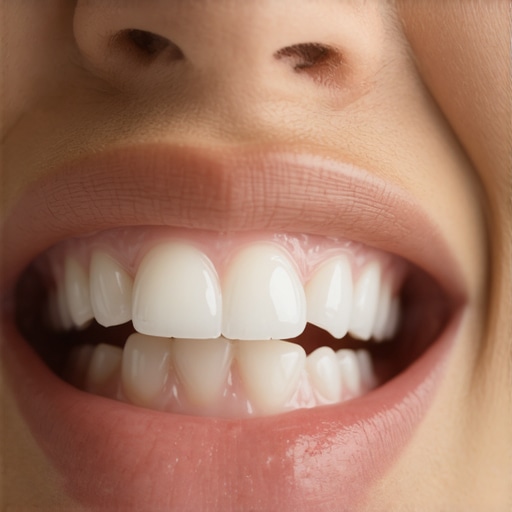
If you’ve recently switched to a new mouthwash and suddenly felt your gums tighten up like a vice, you’re not alone. I remember the exact moment I experienced this — sitting in my bathroom, staring at my reflection, wondering if I’d made a mistake. It was a lightbulb moment for me, realizing that even products meant to improve our oral health can sometimes cause unexpected issues.
Feeling the Pinch: What’s Really Going On?
Switching to a new mouthwash should ideally leave your mouth feeling fresh, not sore or tight. However, many people notice their gums becoming more sensitive or tight after trying a different brand or formula. In my case, I initially thought it was just temporary irritation, but it persisted. That’s when I dug deeper to understand what might be causing this discomfort and how to handle it effectively.
The good news is: we’re going to explore the reasons behind this phenomenon and identify practical steps to relieve your gum discomfort. Whether your concern is chemical irritation, an allergic reaction, or something else, I’ve been there. Today, I’ll share insights based on both personal experience and expert advice to help you diagnose and address this issue.
Could Your Mouthwash Be Causing More Harm Than Good?
Many over-the-counter mouthwashes contain alcohol, strong flavoring agents, or other chemicals that can sometimes irritate sensitive gums. Early on, I made the mistake of assuming all mouthwashes are equally safe for everyone. That was a misconception. It’s important to choose products tailored to your specific oral needs — and to be aware of potential side effects.
Did you know that according to the American Dental Association, some ingredients in mouthwash can cause or worsen gum sensitivity if used excessively or if you have pre-existing conditions? That’s why understanding the ingredients and how your mouth reacts is crucial.
In the next sections, I’ll walk you through the common causes of gum tightness and provide practical advice to soothe your gums and safeguard your oral health. If you’ve faced this problem, keep reading — there’s a solution waiting for you.
}**
Switch to Gentle Oral Care Products
Begin by choosing a mouthwash formulated for sensitive gums, free from harsh alcohols and strong chemicals. Look for labels like “gentle” or “for sensitive mouths.” When I changed to a natural, alcohol-free mouthwash, I noticed a significant reduction in gum tightness within days. Visit your local dental supply store or consult your family dentist for trusted options.
Rinse Properly to Minimize Irritation
Use Less Product at First
Start with a smaller amount of mouthwash—about half the recommended dose—to see how your gums react. This micro-adjustment can prevent overwhelming your sensitive tissues.
In my experience, over-using a new mouthwash caused additional irritation. Always follow the instructions and observe your body’s response.
Limit Frequency
Reduce mouthwash use to once daily initially, then gradually increase if tolerated. Overexposure can exacerbate sensitivity, similar to how over-bleaching affects teeth.
Adjust Your Oral Hygiene Routine
Create a gentle brushing schedule using a soft-bristled toothbrush. Replace aggressive scrubbing with light, circular motions. I once flossed more vigorously than usual, which made my gums inflamed; reducing pressure and technique improved comfort.
Address Allergic Reactions and Chemical Sensitivities
If you suspect allergy, perform a patch test: apply a small amount of mouthwash on your inner wrist or gum tissue to check for reactions over 24 hours. Otherwise, opt for products labeled hypoallergenic.
After switching to a hypoallergenic mouthwash, my gum discomfort subsided within a week, confirming sensitivity was the culprit.
Incorporate Natural Remedies for Relief
Rinsing with warm salt water (a teaspoon of salt in a cup of warm water) helps soothe inflammation and promote healing. It acts as a natural anti-inflammatory, much like how a saline solution cleans a minor cut.
Applying cold compresses to the outside of your mouth can also reduce swelling and numb pain temporarily.
Monitor and Seek Professional Support
Keep track of your symptoms—note when they improve or worsen. If discomfort persists beyond a week, consult your family dentist for tailored advice or examinations. They might recommend a custom mouthwash or other treatments to protect your gums.
Remember, persistent gum tightness can signal underlying issues like gum disease or periodontal problems. Early intervention is key to preventing escalation.
To find a trusted provider, visit this contact page and schedule a check-up. The right professional guidance can make all the difference in restoring your oral comfort and health.
Many assume that dental crowns and Invisalign are straightforward fixes, but the nuances are often overlooked. For instance, a common misconception is that crowns are purely cosmetic, while in reality, they play a vital role in restoring tooth function and preventing further decay [source]. Similarly, people think Invisalign is just about aligning teeth, but its benefits extend far beyond aesthetics, influencing bite function and long-term oral health.
Debunking the Myth: All Crowns Are Created Equal
Many patients believe that any crown material offers the same durability and appearance. In truth, choosing between porcelain, zirconia, or ceramic crowns depends on factors like bite pressure, discoloration risk, and tissue compatibility. Selecting the wrong type can lead to premature breakdown or aesthetic dissatisfaction, which is why consulting an experienced dentist is crucial for long-lasting results [source].
Moreover, the preparation process for crowns is nuanced. Over-trimming can compromise structural integrity, while under-preparation may cause food trapping and aesthetic issues. Recognizing these subtleties can help patients avoid costly revisions.
Invisalign and the Hidden Risks
Many people jump into Invisalign thinking it’s a quick fix, not realizing the importance of compliance and customization. In fact, subtle misalignments can worsen if trays are worn inconsistently or if attachments aren’t properly placed [source]. Advanced cases require careful planning, and neglecting this can lead to prolonged treatment or relapse.
Another often-overlooked point is that Invisalign isn’t suitable for complex bite issues. For those with severe malocclusion, traditional braces or surgical options may be more effective. Understanding these limitations is essential to avoid delays and additional costs. Moreover, ensure your provider uses the latest innovations in Invisalign technology, which can significantly improve treatment outcomes [source].
Family Dentistry: More Than Just Routine Checkups
Some parents think that bringing their kids in only when there’s a problem is sufficient. However, early preventive care can save a lot of discomfort and expense down the line. Regular checkups can identify early signs of misalignment, decay, or even habits like thumb-sucking that impact development [source].
Furthermore, family dentistry often involves managing the psychological comfort of young patients. Dentists who understand behavioral techniques can reduce dental anxiety, leading to better cooperation and oral health habits in children.
Another misconception is that oral health is isolated from overall health. Scientific studies link periodontal disease to heart disease, diabetes, and other systemic conditions [source]. Thus, comprehensive family dental care is an investment in lifelong wellness, not just teeth cleaning.
In summary, understanding the intricacies of crowns, Invisalign, and family dentistry helps you make informed decisions. These nuances—whether in material choice, case selection, or preventive strategies—can profoundly impact your smile’s longevity and your overall health. Don’t fall into the trap of oversimplification; digging deeper ensures better outcomes. Have you ever fallen into this trap? Let me know in the comments.
Keeping your dental restorations and orthodontic treatments in top shape requires the right equipment and routines. Over the years, I’ve honed a toolkit that ensures longevity and optimal results. Today, I’ll share the specific tools and methods I personally rely on to maintain crowns, Invisalign trays, and general family dental health.
Investing in a Rotating Sonic Toothbrush
I swear by my Oral-B iO Series 9 for daily cleaning. Its oscillating and rotating bristles, combined with smart pressure sensors, prevent over-brushing that can damage gums, especially around crowns and delicate tissues. The real-time feedback helps me correct my technique, ensuring I don’t apply excessive force that could compromise restorations over time. Regular use of a high-quality sonic brush reduces plaque buildup and minimizes the risk of decay near restorations, extending their lifespan.
Using a Water Flosser for Precise Cleaning
Traditional flossing is vital, but I find a Waterpik Ultra Water Flosser more effective, particularly around Invisalign attachments and crown margins. Its pressurized water stream dislodges debris from hard-to-reach areas, preventing buildup without damaging delicate tissues. This tool is especially helpful for patients with braces or extensive restorations, where flossing can be cumbersome.
Applying Fluoride Gels with Custom Trays
Incorporating a professional-grade fluoride gel using custom-fitted trays helps protect teeth and restorations from demineralization. I recommend having your dentist prepare these trays; they fit snugly and ensure even application. Regularly using fluoride strengthens enamel, providing a long-term benefit for your dental health, especially if you’re prone to sensitivity or have had multiple crowns installed.
Adopting Modern Imaging and Monitoring Software
Advanced digital tools like intraoral scanners and patient management software, such as Invisalign’s latest technologies, enable precise treatment tracking. I utilize these in my practice to monitor wear patterns, detect early signs of decay, or margin breakdown on crowns, allowing proactive intervention. This software-driven approach minimizes surprises and helps maintain long-term oral health.
Stay Consistent with Routine Professional Checkups
No amount of tools can replace the importance of regular visits. Your dentist’s professional cleanings and examinations catch issues early. I schedule bi-annual visits, during which I ask for detailed evaluations of my crowns and aligners, ensuring everything stays in optimal condition. Regular professional care complements your at-home routine and prolongs your investment in dental health.
Predictions for the Future of Oral Maintenance Tools
Emerging technologies like AI-powered oral health monitoring devices and smart toothbrushes connected to mobile apps are poised to revolutionize personal dental care. Imagine real-time feedback on brushing technique or automatic tipping off to early signs of dental decay—these innovations will make maintaining dental work more intuitive and effective. Staying ahead means embracing these advancements early, just as I recommend integrating a high-quality Sonic toothbrush now to optimize your daily routine.
How do I keep my dental restorations working over time?
The key is a combination of specialized tools, consistent routines, and professional oversight. Using devices like sonic toothbrushes and water flossers diligently, coupled with professional evaluations, creates a robust defense against deterioration. For an advanced tip, I suggest trying fluoride trays tailored by your dentist, which provide continuous protection. Remember, maintaining your smile is an ongoing process—invest in the right technology and habits to enjoy long-term benefits. Need personalized advice? Schedule a consult here, and let’s develop a customized plan for your oral health journey.
The Hardest Lesson I Learned About Crowns, Invisalign, and Family Dentistry
- One of the most surprising realizations was how overlooked minor details can make or break long-term dental health. For instance, I used to believe that a crown’s main role was purely aesthetic, but I discovered it’s also crucial for restoring proper function and preventing future issues [source].
- Misunderstanding Invisalign’s capabilities led me to think it was only about straightening teeth—yet, its influence extends into bite correction and overall oral health. Neglecting the importance of compliance can easily prolong treatment or cause setbacks.
- In family dentistry, the biggest lesson came from early prevention. Regular checkups aren’t just about cleaning but about catching problems before they escalate, which saves both money and discomfort in the long run.
- Another lightbulb moment was realizing that material choices for crowns aren’t one-size-fits-all. Selecting the right type—porcelain, zirconia, or ceramic—depends on individual needs, tissue compatibility, and expected wear [source].
- The significance of technological updates in Invisalign treatment amazed me. Using the latest technology and digital planning can drastically improve precision and reduce treatment time, something every patient should seek in their provider.
My Go-To Tools for Durable Dental Work
- The latest Invisalign tech keeps my treatment on track with real-time monitoring, preventing unexpected setbacks.
- The family-friendly fluoride trays I use daily protect my restorations from decay and strengthen my enamel, extending their lifespan.
- My sonic toothbrush from a trusted brand ensures gentle but effective cleaning around crowns and braces, preventing plaque buildup without causing damage.
- Regular professional cleanings, combined with smart dental imaging, help me stay ahead of potential issues with my restorations or orthodontic devices, ensuring optimal longevity.
Seize Your Smile’s Potential Today
Taking charge of your oral health with awareness and the right tools can transform your confidence and comfort. Remember, your journey is unique—continuous learning and proactive care make all the difference. Whether it’s choosing the ideal crown material or integrating advanced aligner technology, each step empowers you towards a healthier, happier smile.
Are you ready to implement these insights and elevate your dental routine? Share your experiences or questions below—let’s keep the conversation going and help each other achieve the best oral health possible!
,