
The salt water rinse hack for a sore mouth
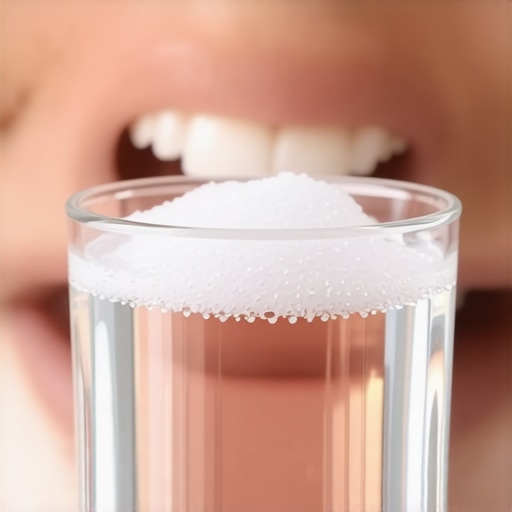
It was a night like any other, I was settling into bed after a long day, when I suddenly felt a sharp, persistent ache in my mouth. I’d just finished a round of Invisalign adjustments and noticed my gums feeling inflamed, tender, almost like a warning sign I ignored at my own peril. Frustration crept in. I’d tried everything—biting down on warm compresses, using all the fancy mouthwashes in the cabinet—but nothing seemed to cut through that stubborn soreness. Then, a lightbulb moment struck: what if something as simple as salt could help? That’s when I revisited an age-old home remedy I’d read about but never truly embraced.
Discovering the Power of a Salt Water Rinse for Oral Comfort
My first attempt was unremarkable—just a quick swish with warm water and a pinch of sea salt. To my surprise, the instant I rinsed, the ache dulled considerably. Over the next few days, I kept up this simple routine, and my gums looked healthier, less swollen, and most importantly, pain-free. It felt like I found a secret weapon in my dental toolkit—effective, affordable, and surprisingly easy to do.
But why does a salty rinse work so well? The science is pretty clear: salt is a natural antibacterial agent. According to research published in the Journal of Indian Society of Pedodontics and Preventive Dentistry, salt water can help reduce oral bacteria and facilitate healing of minor oral wounds. It’s not a cure-all, but it’s a valuable addition, especially when faced with soreness or inflammation.
Now, I want to share my experience to help you overcome those painful moments without always reaching for chemical-laden mouthwashes or rushing to the dentist at the first twinge. Together, we’ll explore how this simple hack can bring relief when you need it most, and why it’s become my go-to remedy. Ever faced a similar situation where your mouth just wouldn’t cooperate? If so, keep reading—you might find the solution you need right here.
Is the Salt Water Rinse Really Worth the Hype?
I admit, I was skeptical at first. Maybe I thought, “It’s just salt, what can it do?” Early on, I made the mistake of rinsing with cold water or using too much salt, which irritated my tissues further. The key was to use warm water and a moderate pinch of salt—simple adjustments that made all the difference. Trust me, I’ve learned from trial and error, and the results are convincing enough for me to declare this a must-try for anyone dealing with mouth soreness.
So, are you tired of suffering through oral discomfort with temporary fixes? If the answer’s yes, then let’s dive into the practical steps that turned this humble kitchen staple into my secret weapon. Because sometimes, the simplest solutions are the most powerful, and your mouth deserves nothing less.
Prepare Your Workspace and Gather Supplies
Start by setting a clean, well-lit area on your bathroom countertop or a dedicated dental hygiene space. Assemble everything you’ll need: warm water, a teaspoon of sea salt, a cup for rinsing, and a timer or clock. Having everything at hand prevents interruptions and ensures you follow each step precisely.
Mixing the Perfect Salt Water Solution
Use warm water—hot enough to comfortably hold and rinse but not scalding, which can irritate gums. Dissolve about half a teaspoon of sea salt in a cup of warm water, stirring until fully dissolved. Remember, too much salt can cause irritation; a moderate pinch is sufficient. I once added a full teaspoon by mistake, leading to a burning sensation that lasted for hours, so measure carefully.
Timing Your Rinse Effectively
Swish the solution around your mouth for approximately 30 seconds, making sure to reach all areas—especially around crowns or Invisalign trays. Spit out the rinse and avoid eating or drinking immediately afterward to maximize healing benefits. I found that doing this twice daily, especially after meals or when experiencing discomfort, significantly reduced inflammation.
Focus on Gentle, Proper Technique
Hold the rinse in your mouth without vigorous swishing—think of it more as a gentle massage for your gums and soft tissues. Too aggressive can cause micro-tears or discomfort, which undermines the healing process. During my first few attempts, I was too forceful, leading to increased soreness instead of relief. Light, consistent motions yield better results.
Targeting Specific Oral Concerns with this Routine
If you have Invisalign trays, take them out before rinsing to allow the solution to contact your gums directly. Afterward, brush your trays gently or rinse them with plain water to prevent staining—stubborn residue can lead to odors, as I experienced when neglecting this step. For crowns, avoid using abrasive toothpaste that could scratch surfaces; instead, opt for a soft brush and gentle cleaning routines.
Staying Consistent with Your Routine
Integrate this salt water rinse into your daily oral care—preferably mornings and evenings. Consistency enhances healing, reduces bacteria, and keeps your mouth fresh. I noticed that missing a session sometimes meant setbacks in healing, especially around sensitive areas or after dental procedures. Making it a habit ensures sustained benefits.
Know When to Seek Professional Advice
While salt water rinses are helpful, persistent pain, swelling, or unusual signs warrant professional consultation. If discomfort worsens or doesn’t improve after several days, schedule an appointment at your family dentistry for specialized care. Remember, home remedies support recovery but shouldn’t replace professional treatment when necessary.
While many patients get the basics of Invisalign, crowns, and family dentistry right, there’s a wealth of nuanced truths that often go unnoticed. **Contrary to popular belief, not all dental practitioners emphasize the importance of personalized treatment plans tailored to individual anatomy and lifestyle, which is crucial for long-term success**. For instance, choosing between Invisalign and traditional braces isn’t just about aesthetics; factors like bite mechanics and TMJ health play significant roles—something many overlook, as highlighted in recent orthodontic research. **A common myth is that crowns are a one-size-fits-all fix**, but the reality is that improper preparation can lead to issues like gum recession or marginal leakage, compromising longevity.
Why do some patients experience persistent discomfort even after a seemingly perfect crown placement?
This phenomenon often stems from subtle misalignments or occlusal discrepancies that aren’t immediately visible, emphasizing the need for meticulous assessment and adjustment—an area where expert hands excel. Moreover, **in family dentistry, there’s a misconception that routine cleaning is enough for preventive care**. However, integrating advanced techniques like digital intraoral scans or fluoride varnishes can significantly enhance early detection of decay and periodontal issues, ultimately saving costs and discomfort later on. **Beware of the trap of complacency**, thinking that once your teeth seem fine, no further action is needed; dental health is dynamic, requiring continuous attention. For a comprehensive understanding, reviewing trusted sources like the American Dental Association can help clarify these myths and guide better decisions. Remember, **holistic oral care involves understanding these nuanced details**—it’s your smile and health at stake. Have you ever fallen into this trap? Let me know in the comments or visit our contact page for personalized advice. For more insights on modern techniques that enhance family dental care, explore family dentistry trends.Maintaining your dental restorations and orthodontic appliances requires the right tools and techniques to ensure longevity and optimal oral health. Personally, I rely on a combination of high-quality instruments and modern software that streamline daily routines and support long-term results. One indispensable item is a **digital intraoral scanner**, like the iTero Element. Unlike traditional molds, this device captures precise, 3D images of your teeth, enabling accurate monitoring of changes over time and facilitating custom treatment plans. Using such technology early lets me spot discrepancies before they develop into bigger issues, saving time and cost in the future.
When it comes to cleaning, a **water flosser**—specifically, the Waterpik series—has revolutionized my daily routine. It effectively dislodges plaque around crowns, Invisalign trays, and between teeth, reaching areas that traditional floss may miss. I find it especially helpful for family members who struggle with dexterity or gag reflexes. The adjustable pressure settings allow a gentle yet thorough clean, which I see reflected in healthier gums and reduced sensitivity.
For maintaining clarity and tracking progress, I recommend using **dental practice management software** like Dentrix Ascend or Eaglesoft. These platforms organize patient data, appointment histories, and treatment timelines, helping me provide personalized care and identify patterns that indicate potential issues before symptoms escalate.
Looking ahead, I believe that **artificial intelligence (AI)** will become a key player in dental maintenance. AI-powered apps and tools will soon analyze images and data to predict wear patterns on crowns or Invisalign aligners, prompting preemptive interventions. This advancement promises to make preventive care more precise and proactive.
**How do I keep my dental tools effective over time?** Regular calibration and replacement are essential. For instance, I schedule professional servicing of my digital scanner annually to ensure accuracy. For hand-held instruments, I follow strict sterilization protocols and replace parts like ultrasonic tips or polishing heads as recommended by manufacturers. This commitment ensures that the tools perform optimally and that the risk of cross-contamination is minimized.
To see the full benefits of these tools, I encourage you to try incorporating a **high-quality water flosser into your routine**. It’s a game-changer that complements traditional flossing, especially for those with crowns or braces. When used consistently, it can greatly improve gum health and prolong the lifespan of dental restorations.
In my experience, pairing advanced tools with disciplined maintenance routines ensures your dental work remains effective longer, reducing future complications and costs. For more insights into cutting-edge family dentistry techniques, feel free to explore [modern tech in family dentistry](https://familydentistpro.com/family-dentistry-secrets-maintaining-oral-health-with-modern-techniques-at-254-pm). Remember, investing in the right tools today can safeguard your smile for years to come.
What I Wish I Knew Before Relying Solely on Home Remedies
Early on, I underestimated the importance of proper technique when using salt water rinses; a gentle swish made all the difference in comfort and healing progress. I discovered that relying solely on home remedies without professional guidance can sometimes delay necessary treatments. Listening to your body’s signals and recognizing when home care isn’t enough is crucial for maintaining oral health.
Patience truly is a virtue—consistent, gentle routines yield better results than quick fixes. I learned that integrating simple tools like a water flosser not only improved daily hygiene but also extended the longevity of crowns and Invisalign trays. These personal lessons remind us that small, informed actions can dramatically enhance our dental experiences and outcomes.